-
PRODUCTS & SERVICESOptimized cooling solutions for modern data centersProducts & ServicesOptimized cooling solutions for modern data centers
-
CAPABILITIESAdvancing liquid cooling technologiesCapabilitiesAdvancing liquid cooling technologies
-
TechnologiesLiquid Cooling InnovationTechnologiesLiquid Cooling Innovation
-
RESOURCESLatest News & InformationResourcesLatest News & Information
-
ABOUTOur history, leadership and ownershipAboutOur history, leadership and ownership
-
CONTACTFacility locations and global operational footprint




2026 Best Refrigeration Condensing Unit Types for Buyers
Choosing the right refrigeration system in 2026 requires more than comparing compressor horsepower or purchase prices. Buyers must match each Refrigeration Condensing Unit to the application, climate, refrigerant, load profile, and maintenance resources. A small grocery freezer may need a compact air-cooled unit, while a cold-storage facility may benefit from a water-cooled design or parallel compressor system. The correct choice begins with real operating conditions.
This guide examines common types, including scroll, reciprocating, screw, semi-hermetic, air-cooled, and water-cooled units. It considers capacity control, energy efficiency, sound levels, installation space, and service access. For example, an outdoor unit exposed to a 38°C summer ambient may lose performance if its condenser is undersized or poorly ventilated. A unit that looks efficient on paper may struggle beside a dusty loading dock.
Specifications matter.
Reliable buying decisions should use verified performance data, manufacturer documentation, warranty terms, and qualified technician feedback. Buyers should check refrigerant compatibility, voltage, oil requirements, defrost conditions, and expected operating temperatures before approval. Local climate and electrical conditions also deserve attention. They are often underestimated.
This 2026 overview is designed to support practical comparisons rather than promote one universal solution. Some recommendations may change after a site survey, and that is acceptable. Actual heat load, piping length, airflow, and service history can challenge initial assumptions. Careful selection reduces energy waste, protects stored products, and helps prevent costly interruptions throughout the equipment’s working life.
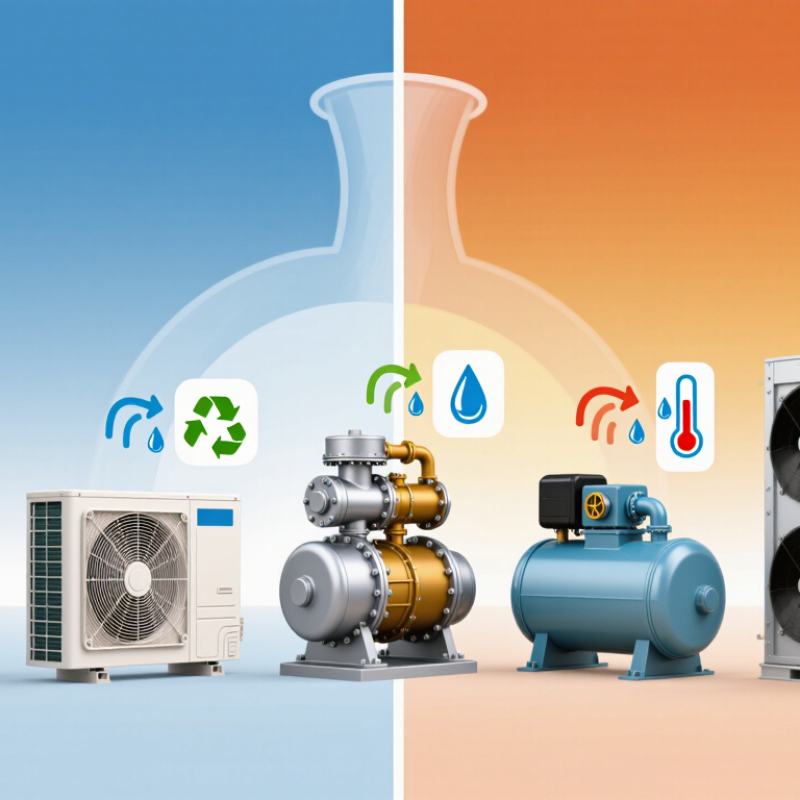
Table of Contents [Hide]
Condensing Unit Basics: Compressors, Condensers, Receivers, and Controls
2026 Best Refrigeration Condensing Unit Types for Buyers
A condensing unit is a working system, not merely a compressor in a metal cabinet. The compressor raises refrigerant pressure and temperature. The condenser then rejects heat through air or water. An air-cooled unit usually simplifies installation, while a water-cooled design can perform better where water and maintenance are dependable.
The International Energy Agency reports that cooling demand could more than triple by 2050 from 2016 levels. Efficiency deserves early attention.
Compressor selection should match load variation, suction conditions, and service expectations. Scroll compressors suit many compact applications. Semi-hermetic compressors can offer practical repair access. Variable-speed compressors reduce cycling during partial loads, but their controls require careful commissioning.
A receiver stores liquid refrigerant during changing load conditions. It is useful, but not automatically necessary. Oversizing it can create avoidable cost and charge-management problems.
Controls connect these parts. Pressure switches, fan-speed control, crankcase heating, and temperature sensors protect operation. Electronic controllers can coordinate capacity and condenser airflow.
The U.S. Department of Energy’s 2023 technical assessments repeatedly identify part-load efficiency as an important factor in refrigeration performance. Field experience supports that view, although real results depend on piping, airflow, and maintenance.
A published efficiency number can mislead. Buyers should request rated conditions, sound data, service clearances, and control sequences.
Do not ignore the receiver’s liquid-level behavior during defrost or shutdown. Small details matter.