-
PRODUCTS & SERVICESOptimized cooling solutions for modern data centersProducts & ServicesOptimized cooling solutions for modern data centers
-
CAPABILITIESAdvancing liquid cooling technologiesCapabilitiesAdvancing liquid cooling technologies
-
TechnologiesLiquid Cooling InnovationTechnologiesLiquid Cooling Innovation
-
RESOURCESLatest News & InformationResourcesLatest News & Information
-
ABOUTOur history, leadership and ownershipAboutOur history, leadership and ownership
-
CONTACTFacility locations and global operational footprint


What Are the 2026 Top Automation Computer Types?
The 2026 automation landscape will be shaped by computers that connect sensing, control, analytics, and secure industrial communication. This introduction examines the leading Automation Computer types expected to support modern factories, warehouses, utilities, and process plants. Key categories include rugged edge computers, industrial panel PCs, embedded controllers, machine vision systems, and PLC-integrated platforms. Each type serves a different operational need.
A rugged edge computer may process sensor data beside a production line, reducing delays caused by distant cloud servers. An industrial panel PC can display alarms, trends, and maintenance instructions through a bright touchscreen. Vision computers inspect labels, welds, or packaging defects at high speed. Reliability remains central. Engineers must evaluate temperature tolerance, vibration resistance, lifecycle support, cybersecurity, expansion options, and compatibility with existing protocols.
This guide uses practical selection criteria rather than marketing claims. It considers how systems perform during shift changes, network interruptions, maintenance visits, and gradual equipment upgrades. That matters. A powerful processor is not automatically the best industrial choice. Not always.
Manufacturer specifications, independent testing, deployment experience, and recognized industrial standards should inform every decision. However, no 2026 ranking can remain perfect for every facility. Budgets differ. Workloads evolve. Reality is messier.
Some facilities may favor centralized control, while others need distributed intelligence at the machine level. The most suitable Automation Computer will balance performance, durability, integration, security, and long-term serviceability. This comparison aims to clarify those trade-offs and encourage careful evaluation before investment.
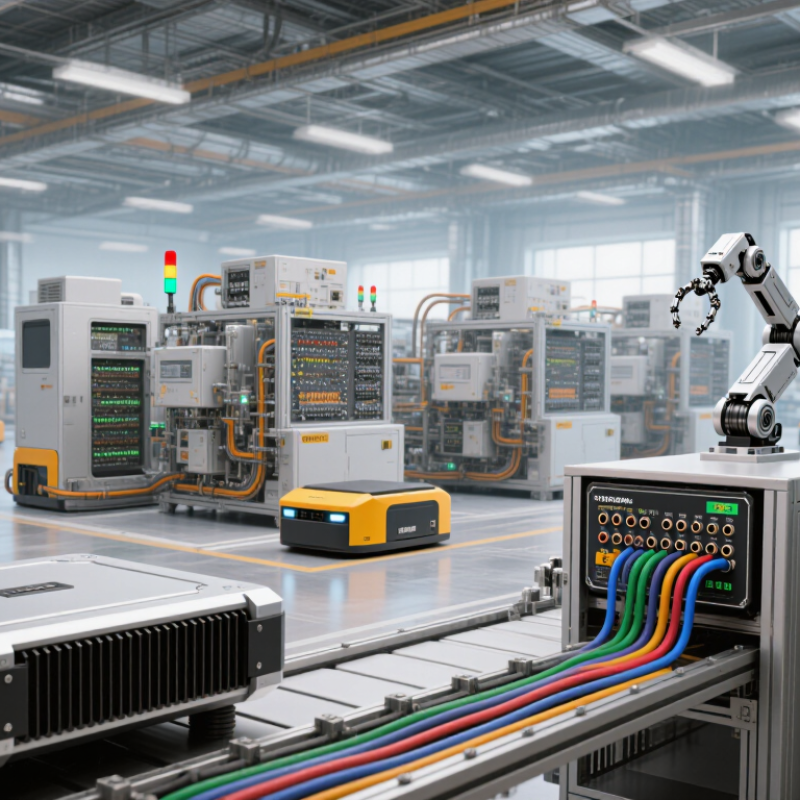
Table of Contents [Hide]
What Defines an Automation Computer in 2026?
What Are the 2026 Top Automation Computer Types?
What Defines an Automation Computer in 2026?
An automation computer in 2026 is more than a small box running control software. It connects sensors, machines, operators, and analytical tools with predictable timing. In a factory test, a delayed command of 40 milliseconds can affect a robotic arm’s position. Reliable systems therefore combine real-time processing with carefully managed computing resources.
Modern automation computers often include edge intelligence, industrial networking, and strong cybersecurity controls. They can process camera images locally instead of sending every frame to a remote server. This reduces latency and protects sensitive production data. Support for common industrial protocols also matters, because facilities rarely replace every existing controller at once. A practical computer should communicate with older equipment without creating fragile workarounds.
Physical design remains important. Dust-resistant enclosures, wide temperature ranges, vibration protection, and fanless cooling can determine service life. Field engineers also look for accessible storage, diagnostic indicators, and secure remote maintenance. These details save time beside a noisy production line. Redundant power options may protect critical processes, but they also increase cost and configuration effort. No design is perfect.
The most dependable systems provide signed software updates, event logs, permission controls, and clear recovery procedures. Human oversight still matters when an algorithm detects an unusual pattern. Automation should assist judgment, not hide uncertainty. In practice, choosing the right computer depends on cycle time, environmental conditions, network requirements, and the consequences of failure. That assessment is often less exciting than new artificial intelligence features, but it is usually more useful.