-
PRODUCTS & SERVICESOptimized cooling solutions for modern data centersProducts & ServicesOptimized cooling solutions for modern data centers
-
CAPABILITIESAdvancing liquid cooling technologiesCapabilitiesAdvancing liquid cooling technologies
-
TechnologiesLiquid Cooling InnovationTechnologiesLiquid Cooling Innovation
-
RESOURCESLatest News & InformationResourcesLatest News & Information
-
ABOUTOur history, leadership and ownershipAboutOur history, leadership and ownership
-
CONTACTFacility locations and global operational footprint




2026 Top Cooler Cold Plate Manufacturers for Global Buyers
Choosing a Cooler Cold Plate manufacturer is not just a price comparison. For global buyers, the right partner must deliver stable thermal performance, consistent machining, and dependable production capacity. A cold plate may look simple, but channel geometry, material selection, surface flatness, and joining quality can affect heat transfer and leak risk. Small details matter.
This 2026 guide examines manufacturers through practical buying criteria. It considers cooling applications, engineering support, customization, quality controls, production scale, and communication across regions. Buyers should review technical drawings, material specifications, pressure-test procedures, and sample results before making a commitment. Ask how suppliers handle design changes and production issues. Clear answers count.
No supplier is ideal for every project. A manufacturer suited to a compact electronics enclosure may not fit a high-flow industrial system. Even published capabilities deserve verification against the buyer’s operating conditions. That takes time. The comparisons ahead are intended to help readers create a shortlist, ask more useful questions, and assess trade-offs with care. They are a starting point, not a substitute for technical review.
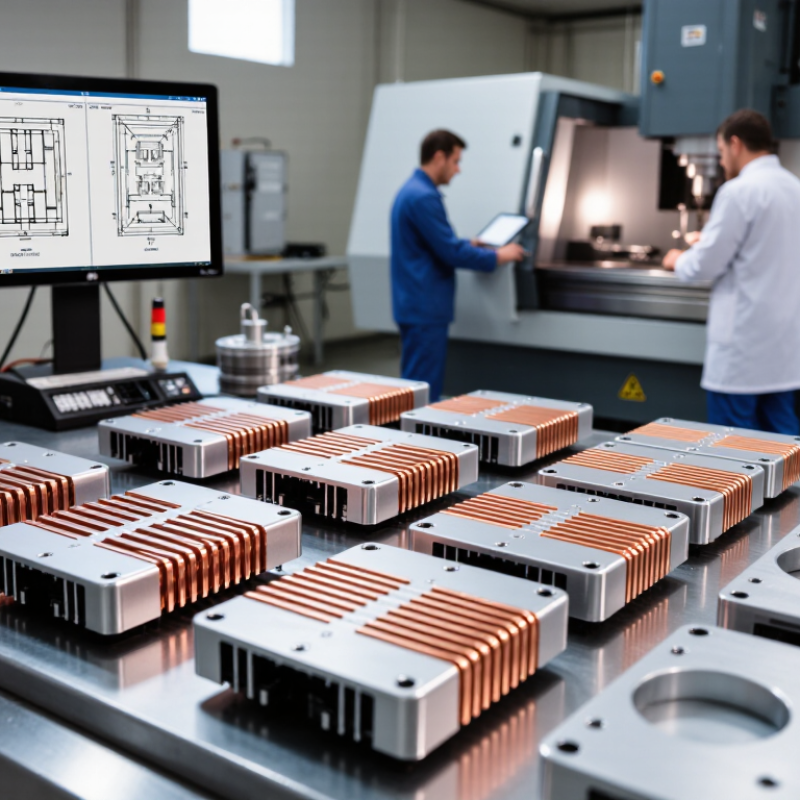
Table of Contents [Hide]
What Cold Plates Do: Heat Loads from 300 W GPUs to 1,000 W AI Chips
A cold plate transfers heat from a processor into a liquid cooling loop. For a 300 W GPU, it must spread heat across the contact area quickly. The base material, channel pattern, and thermal interface material all matter. A small air gap can raise temperatures sharply.
At 1,000 W, AI chips create a harder engineering problem. The cold plate needs balanced flow, low thermal resistance, and controlled pressure drop. Microchannels may improve heat transfer, but they can also increase blockage risks. Coolant temperature, flow rate, and inlet design require measurement, not guesswork. During validation, sensors should track multiple points across the plate.
Reliable buyers should request thermal test data, leak testing records, and dimensional tolerances. Ask whether results use the same power density as your system. A plate that performs well at 300 W may fail near 1,000 W. That gap is easy to underestimate. Practical testing also exposes imperfect assumptions, especially when interface pressure varies across the chip. Thermal performance is only one concern; service access, corrosion control, and long-term sealing deserve equal attention.