-
PRODUCTS & SERVICESOptimized cooling solutions for modern data centersProducts & ServicesOptimized cooling solutions for modern data centers
-
CAPABILITIESAdvancing liquid cooling technologiesCapabilitiesAdvancing liquid cooling technologies
-
TechnologiesLiquid Cooling InnovationTechnologiesLiquid Cooling Innovation
-
RESOURCESLatest News & InformationResourcesLatest News & Information
-
ABOUTOur history, leadership and ownershipAboutOur history, leadership and ownership
-
CONTACTFacility locations and global operational footprint







7 Best Marine Steering Cylinders for Boats
Selecting the right steering component can transform a boat’s handling, safety, and comfort. This guide examines seven of the best Marine Steering Cylinders for different vessel types and operating demands. Each model is considered through practical details, not attractive specifications alone. Bore size, stroke length, mounting style, corrosion resistance, and seal quality can affect performance at the helm. Compatibility matters most.
On the water, small differences become obvious. A weak cylinder may feel vague near the dock. Excessive play can make a narrow channel stressful. Salt spray, heat, vibration, and long periods of inactivity also test every fitting and seal. These conditions deserve careful attention. The strongest choices typically combine smooth movement with dependable materials and clear installation guidance. Manufacturer specifications, hydraulic compatibility, and service support should guide the final decision.
This review compares seven cylinders using those measurable standards. It also considers installation space, maintenance access, steering response, and value over time. A professional installer may notice problems that a casual inspection misses. That perspective is useful, but no ranking is absolute. Boat weight, hull design, engine placement, and personal steering preferences can change the result. Real-world fit still matters.
Some recommendations may suit a fishing boat better than a fast cruiser. Others may offer excellent strength but require more installation effort. That trade-off is easy to overlook. The goal is not to promise a perfect part. It is to make the decision clearer, safer, and more informed before money and time are committed.
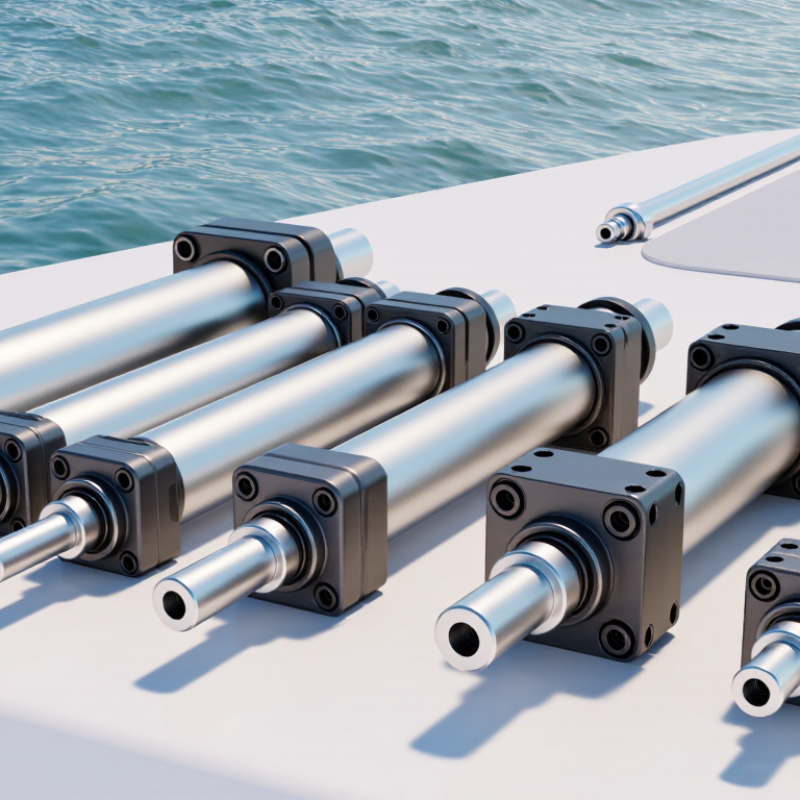
Table of Contents [Hide]
Marine Steering Cylinders Explained: Bore, Stroke, Volume, and Force
A marine steering cylinder converts hydraulic pressure into movement at the rudder or outboard. Bore means the piston’s inside diameter. A larger bore creates more force, but it also requires more hydraulic fluid. Stroke describes how far the piston travels. If the stroke is too short, the steering angle may feel limited. If it is too long, the mechanism can reach its stops harshly. Small measurement errors matter.
Tips: Measure the mounting points with the steering centered. Record the distance between full port and starboard positions. Check the cylinder’s bore, stroke, and rated pressure before installation. Match hose size carefully. A restricted hose can make steering feel heavy. Bleed the system slowly, then inspect fittings for seepage. Do not trust appearance alone.
Cylinder volume depends on bore, stroke, and piston area. A larger bore or longer stroke increases the fluid volume needed for movement. Force is mainly calculated from hydraulic pressure multiplied by piston area. However, seals, friction, hose expansion, and temperature reduce practical output. The formula is useful, but real boats expose assumptions. The first estimate is rarely perfect. Leave clearance around fittings and mounting brackets. Recheck alignment while the cylinder moves through its full range. A cylinder that works on a trailer may bind once the hull is afloat and the steering load changes.