What is AI Data Center Cooling and How Does It Work?
AI Data Center Cooling is an emerging technology designed to enhance the efficiency of data centers. The demand for computing power is skyrocketing. This surge leads to increased heat generation in facilities housing advanced servers. Without a solid cooling strategy, performance can be compromised. AI Data Center Cooling uses intelligent algorithms to optimize cooling systems. It continuously analyzes real-time data and adjusts airflow accordingly.
This method not only improves energy efficiency but also extends the lifespan of equipment. However, reliance on AI may have its flaws. Data inaccuracies can result in poor decision-making. Furthermore, the implementation of AI technologies requires investment and expertise. Businesses must weigh these factors carefully. The effectiveness of AI Data Center Cooling relies on accurate data management and ongoing adjustments. Many facilities still struggle with traditional cooling methods. Transitioning to AI-driven solutions can bring substantial benefits, yet it requires a thoughtful approach. It’s essential to balance innovation with practical considerations in this rapidly evolving field.
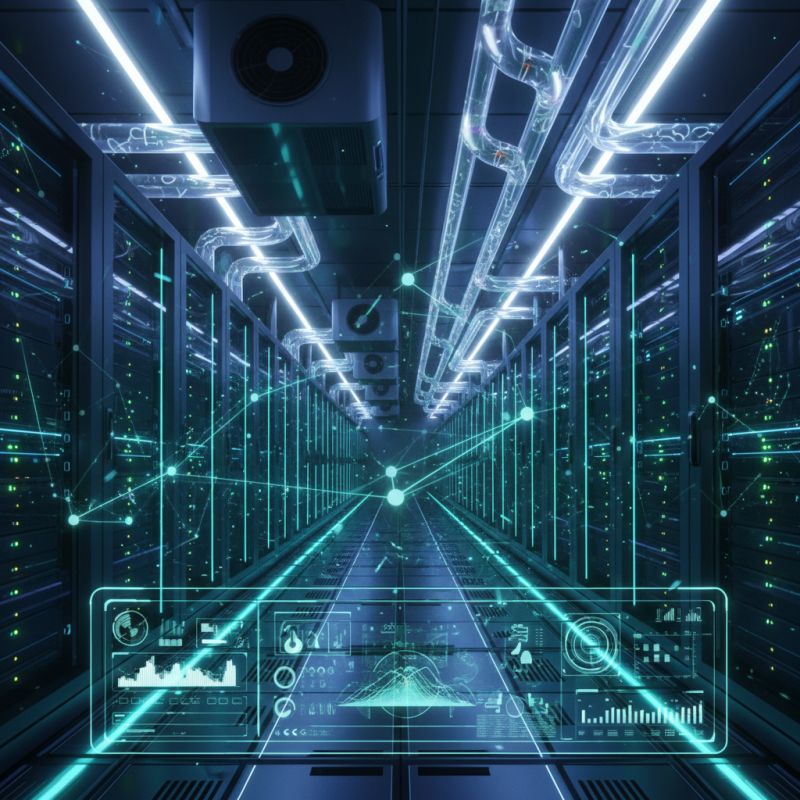
What is AI Data Center Cooling?
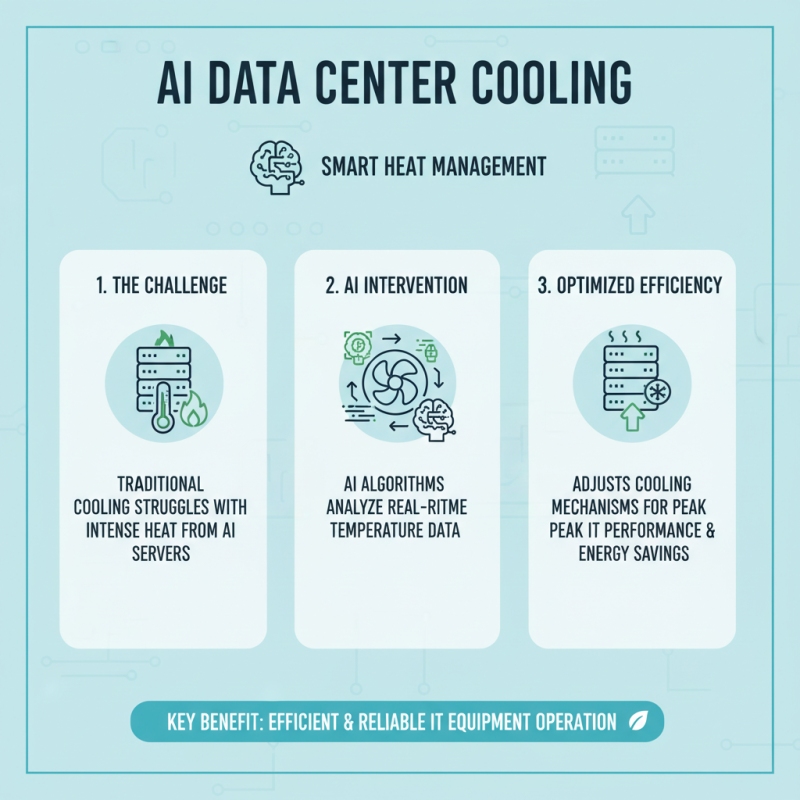
AI data center cooling is an innovative approach to managing heat generated by computer servers. Traditional cooling methods often struggle to keep environments at optimal temperatures. This is where AI-driven systems shine. They utilize algorithms to analyze temperature data in real-time. By adjusting cooling mechanisms, they ensure that IT equipment operates efficiently.
AI systems can predict temperature spikes before they occur. This proactive strategy helps avoid overheating issues. Additionally, these systems can optimize energy consumption. Smart cooling solutions adjust airflow and temperature based on usage patterns. This means cooling only where necessary, reducing waste and lowering costs.
However, AI cooling systems are not without challenges. High initial setup costs can deter some facilities. There is also a learning curve involved in implementing such advanced technology. Despite this, the benefits often outweigh the drawbacks. More facilities are exploring AI cooling to improve sustainability and efficiency. As the technology evolves, it can lead to significant advancements in data center management.
The Importance of Cooling in Data Centers
Cooling plays a crucial role in data centers. As servers process vast amounts of information, they generate significant heat. Excessive heat can cause hardware failures, reduced performance, and increased downtime. Proper cooling ensures optimal functioning of equipment, extending its lifespan.
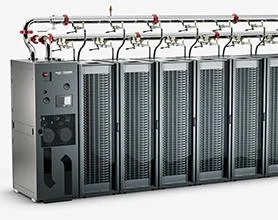
Data centers rely on various cooling methods, including air and liquid cooling systems. Air cooling is common, using fans to circulate cool air. However, it may not be sufficient for high-density setups. Liquid cooling systems, although more complex, offer better efficiency. They can directly cool components, reducing the overall temperature effectively.
Keeping the right temperature is a challenge. Many factors influence cooling efficiency, like server placement and airflow design. It requires ongoing assessment and adjustments. Proper training for staff in managing these systems is often overlooked. Investing in knowledge and skills can significantly enhance cooling strategies.
Cooling Solutions in AI Data Centers
Methods and Technologies for AI Data Center Cooling
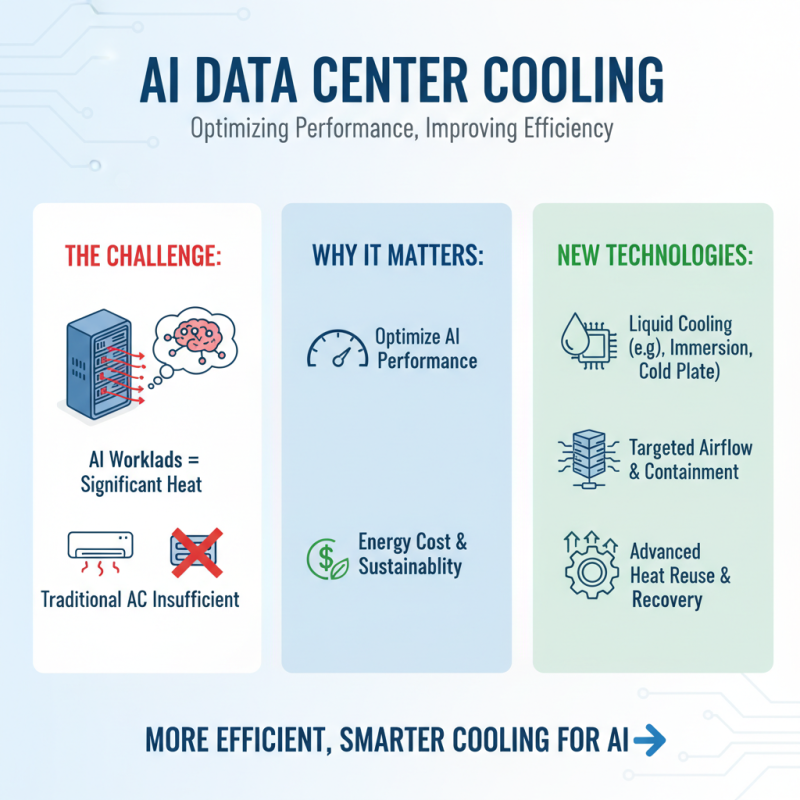
Data center cooling is crucial for optimizing AI performance. As AI workloads generate significant heat, effective cooling methods become vital. Traditional cooling methods, like air conditioning, often fail to meet the demands of modern AI data centers. Newer technologies focus on improving efficiency.
Liquid cooling is gaining traction. It involves using water or specialized fluids to absorb heat more effectively than air. This method can reduce energy usage drastically. However, implementing liquid cooling poses challenges, such as leakage risks and maintenance complexities. Some facilities are exploring immersion cooling, where servers are submerged in a thermally conductive liquid. This approach can enhance cooling efficiency but may not suit all environments.
Other methods include advanced airflow management. Optimizing the design and layout of racks can help maximize cool air circulation. Smart sensors can monitor temperatures in real-time, adjusting airflow as needed. While effective, these setups require careful planning and investment. Balancing innovative cooling solutions with infrastructure constraints is a common hurdle for many organizations.
How AI Optimizes Cooling Systems
AI technology is transforming how we optimize cooling systems for data centers. Traditionally, cooling systems relied on fixed schedules. AI introduces adaptability, allowing systems to respond to real-time data. Sensors feed temperature and usage data directly to AI algorithms. This enables dynamic adjustments to airflow and cooling outputs.
One significant benefit of AI optimization is energy savings. By analyzing patterns, AI can identify peak usage times and adjust cooling accordingly. This leads to reduced energy costs and lower environmental impact. However, implementing AI systems can be complex. Data quality is crucial; inaccuracies can lead to inefficiencies. Regular audits of sensor data are necessary.
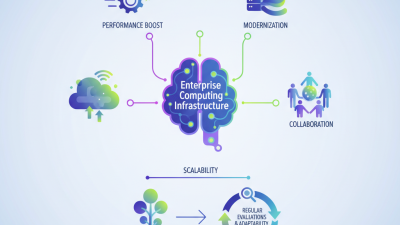
Tips for effective AI cooling: Start by assessing your current cooling system's data sources. Ensure all sensors are functioning properly. Regular training of AI models is vital. It keeps them responsive to changing environments. Collaboration with technology experts can enhance the implementation process. Remember, the focus should be on continual improvement and adaptability.
Future Trends in Data Center Cooling Solutions
As data centers evolve, cooling solutions must keep pace. The rapid growth of AI technologies demands efficient cooling methods. According to a recent report from the International Energy Agency, data centers consume about 1% of the global electricity supply. This figure is rising as AI usage increases. The need for improved cooling is urgent.
Innovative strategies are emerging to address these challenges. Liquid cooling and immersion cooling are gaining traction. These methods can reduce energy consumption significantly. The U.S. Department of Energy notes that liquid cooling can save up to 40% in energy costs compared to traditional air cooling. However, these systems are often complex and expensive to implement.
Sustainability is becoming a critical focus. The Global Data Center Market Report predicts that eco-friendly cooling solutions will see significant growth. Companies are exploring green technologies, such as geothermal cooling and free-air cooling. Yet, limitations remain. Transitioning to these new solutions can be slow and challenging. The industry must find ways to balance efficiency with practicality.
What is AI Data Center Cooling and How Does It Work? - Future Trends in Data Center Cooling Solutions
| Cooling Method |
Energy Efficiency (%) |
Temperature Range (°C) |
Advantages |
Disadvantages |
| Liquid Cooling |
95 |
10 - 40 |
High efficiency, space-saving |
Higher initial cost, potential leaks |
| Air Cooling |
75 |
15 - 35 |
Lower installation cost, easier maintenance |
Less efficient at high density loads |
| Evaporative Cooling |
85 |
20 - 50 |
Low energy consumption, environmentally friendly |
Dependent on humidity levels |
| Refrigerant Cooling |
90 |
5 - 40 |
Effective in various conditions, rapid cooling |
Environmental concerns with refrigerants |
| AI-Driven Cooling Systems |
98 |
10 - 45 |
Dynamic adjustment, optimal efficiency |
Requires advanced technology, higher complexity |