-
PRODUCTS & SERVICESOptimized cooling solutions for modern data centersProducts & ServicesOptimized cooling solutions for modern data centers
-
CAPABILITIESAdvancing liquid cooling technologiesCapabilitiesAdvancing liquid cooling technologies
-
TechnologiesLiquid Cooling InnovationTechnologiesLiquid Cooling Innovation
-
RESOURCESLatest News & InformationResourcesLatest News & Information
-
ABOUTOur history, leadership and ownershipAboutOur history, leadership and ownership
-
CONTACTFacility locations and global operational footprint







Why Choose a Vacuum Sequence Valve for Industrial Use?
Why Choose a Vacuum Sequence Valve for Industrial Use?
Industrial vacuum systems rarely operate under ideal conditions. Dust, moisture, pressure changes, and uneven production loads can disturb process stability. A Vacuum Sequence Valve helps manage these changes by controlling when vacuum zones open, close, or release pressure. This timing protects pumps, reduces unnecessary energy use, and supports more consistent production.
Vacuum technology expert John F. O’Hanlon has emphasized, “A vacuum system is only as good as its weakest component.” His observation reflects a practical reality. A valve may appear small, but its performance can influence the entire system. In a packaging line, for example, poor sequencing may cause weak gripping, delayed release, or product damage. A properly selected valve creates cleaner transitions between operations. Small details matter.
Engineers should examine pressure range, flow capacity, response time, materials, sealing design, and maintenance access. Stainless steel construction may suit demanding environments, while compact designs can simplify installation near robotic tooling. No valve solves every process problem. Real plants are less tidy than diagrams. Therefore, selection should follow actual measurements, equipment limits, and operating experience. A Vacuum Sequence Valve becomes valuable when it matches the system’s timing, load, and environmental demands. The choice must be verified. Reliable results come from testing, not assumptions.
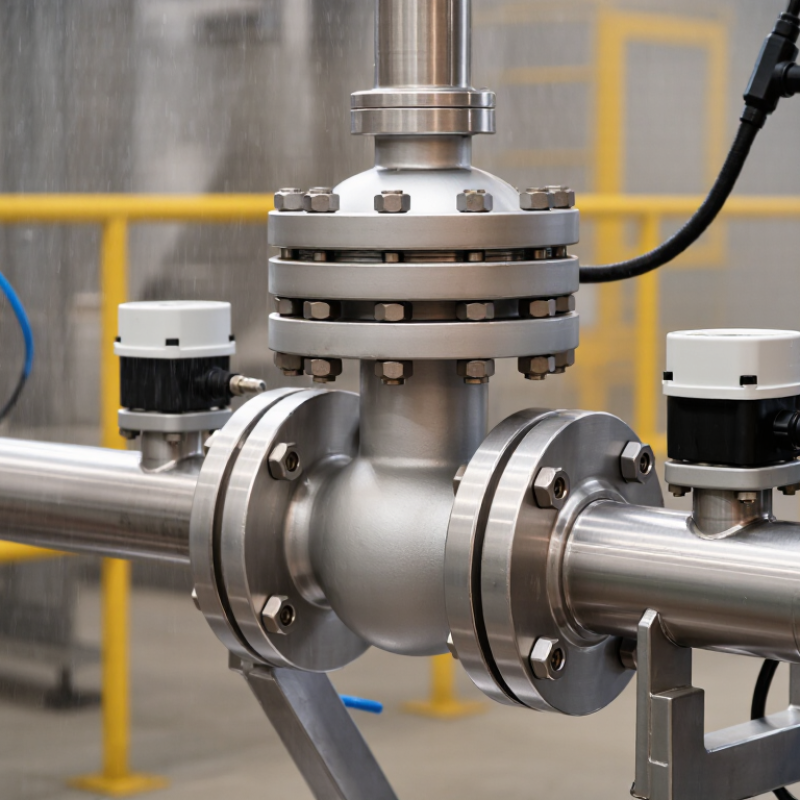
Table of Contents [Hide]
What Is a Vacuum Sequence Valve and How Does It Work?
Why Choose a Vacuum Sequence Valve for Industrial Use?
A vacuum sequence valve controls when one vacuum operation begins or ends. It responds to pressure changes, rather than relying only on electrical timing. Inside, a spring-loaded poppet or diaphragm moves when the preset vacuum level is reached. The valve then opens, closes, or releases air to control the next circuit. In a packaging line, for example, one suction cup can secure a carton before another actuator moves it.
This sequence reduces mistimed motion and protects vacuum-sensitive components. The U.S. Department of Energy reports that compressed-air systems may lose 20–30% of their output through leaks. A well-adjusted sequence valve cannot repair every leak, but it can prevent unnecessary vacuum demand. That distinction matters. A valve is not a substitute for maintenance.
Industrial users should check response pressure, flow capacity, seal compatibility, and adjustment stability. Grand View Research has identified continued growth in industrial vacuum equipment demand, driven by automation, packaging, and material handling. More automation means more switching cycles. Small timing errors become expensive when repeated thousands of times daily. A practical installation includes a gauge near the valve, short tubing, and regular leak testing. Field experience also shows a common weakness: operators may set the threshold during a warm shift, then ignore colder conditions. Temperature, hose length, and load weight can change performance. Calibration should follow real operating conditions, not just the catalog setting.