-
PRODUCTS & SERVICESOptimized cooling solutions for modern data centersProducts & ServicesOptimized cooling solutions for modern data centers
-
CAPABILITIESAdvancing liquid cooling technologiesCapabilitiesAdvancing liquid cooling technologies
-
TechnologiesLiquid Cooling InnovationTechnologiesLiquid Cooling Innovation
-
RESOURCESLatest News & InformationResourcesLatest News & Information
-
ABOUTOur history, leadership and ownershipAboutOur history, leadership and ownership
-
CONTACTFacility locations and global operational footprint




7 Best Feed Pellet Mills for Sale in 2026
Choosing a Feed Pellet Mill in 2026 is about more than motor power or advertised capacity. Buyers need equipment that suits their ingredients, daily output, and available labor. A small farm mixing grain in a shed has different needs from a commercial mill running long shifts. The right machine should make consistent pellets without turning maintenance into a second job.
The scale of feed production helps explain why this choice matters. Alltech’s 2024 Agri-Food Outlook estimated global feed production at 1.396 billion metric tons in 2023, drawing on data from 142 countries. That figure covers feed production, not pellet mill sales, but it shows the size and diversity of the industry. FAOSTAT livestock data also provide useful context on regional animal production and changing feed needs. Still, national averages cannot predict what one farm should buy.
Pellet quality depends on more than the machine. Moisture, grind size, die condition, and operator settings all affect durability and output. A shiny pellet can still crumble in the bag. That happens. This guide compares seven feed pellet mills for sale in 2026, focusing on practical factors such as capacity, power requirements, die options, and maintenance access. Specifications vary by model and material, so treat published output figures as estimates—not guarantees. The best choice is the one that fits your actual feed recipe and workload, not simply the largest number on a product page.
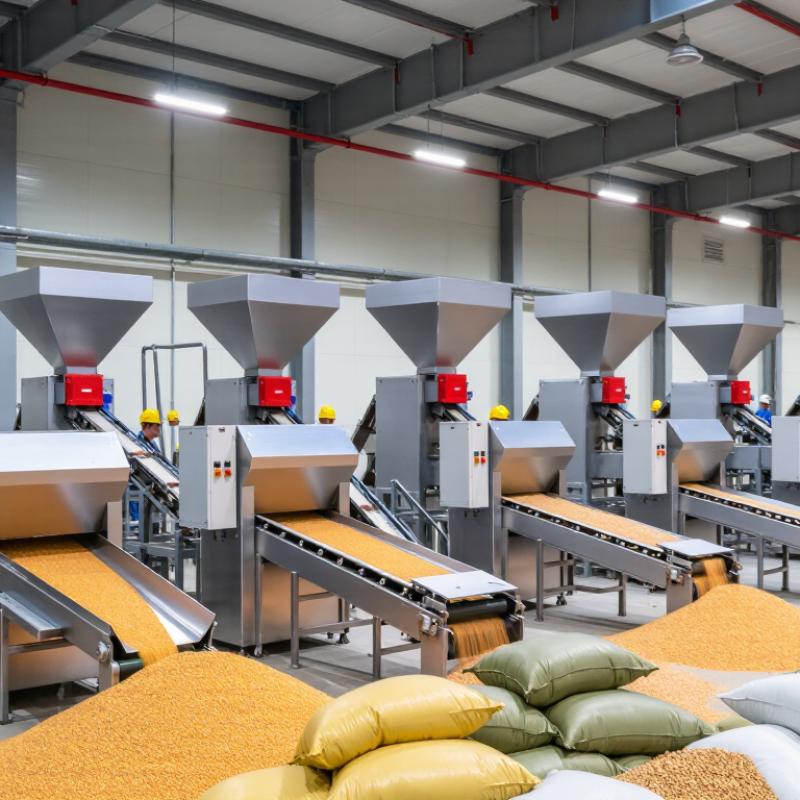
Table of Contents [Hide]
How Feed Pellet Mills Work and What They Produce
A feed pellet mill turns a mixed, ground mash into compact feed. Ingredients are weighed and blended before entering a conditioner, where steam adds heat and moisture. The conditioned mash passes between rollers and a perforated die. Pressure forces it through the die holes; knives trim the emerging strands to length. Small changes matter. Moisture, particle size, die settings, and ingredient mix all affect pellet quality.
The 2024 Agri-Food Outlook estimated global feed production at about 1.29 billion metric tonnes in 2023. That scale helps explain why consistent processing matters, but a large mill is not automatically the right choice for every operation. Capacity should match daily production needs, while conditioning and cooling systems should suit the formula and local operating conditions.
Pellet mills produce different diameters and lengths for different animals and life stages. Pellets may be cooled, screened, and sometimes broken into crumbles; fines can be returned for reprocessing. A shiny surface can look reassuring. It is not enough. Buyers should also check pellet durability and fines after handling, because transport can break weak pellets apart. Results vary with feed ingredients and machine settings, so trial runs and routine quality checks are worth the time.