-
PRODUCTS & SERVICESOptimized cooling solutions for modern data centersProducts & ServicesOptimized cooling solutions for modern data centers
-
CAPABILITIESAdvancing liquid cooling technologiesCapabilitiesAdvancing liquid cooling technologies
-
TechnologiesLiquid Cooling InnovationTechnologiesLiquid Cooling Innovation
-
RESOURCESLatest News & InformationResourcesLatest News & Information
-
ABOUTOur history, leadership and ownershipAboutOur history, leadership and ownership
-
CONTACTFacility locations and global operational footprint



10 Best Insulation Membranes for Global Buyers?
Choosing the right Insulation Membrane has become a practical priority for global construction buyers. Energy costs, climate risks, and stricter building codes now influence material decisions. The United Nations Environment Programme’s 2023 Global Status Report for Buildings and Construction states that buildings produced about 37% of global energy and process-related emissions in 2022. That figure makes thermal performance more than a design preference.
A reliable membrane must do several jobs at once. It should limit heat transfer, control vapor movement, resist water intrusion, and remain stable during installation. Some products also support airtightness, acoustic comfort, or fire-performance strategies. The International Energy Agency’s Energy Efficiency 2023 report highlights building efficiency as a major route for reducing energy demand. However, laboratory ratings do not always predict jobsite results. Seams, penetrations, compression, and poor storage can weaken an excellent product.
This guide reviews 10 Best Insulation Membranes for Global Buyers through measurable and practical criteria. These include thermal resistance, vapor permeability, tensile strength, weather exposure, fire classification, certification, and regional availability. Standards such as ASTM C518, ASTM E96, EN 13162, and EN 13984 may help buyers compare products, but equivalent standards are not always directly interchangeable. That distinction matters.
Real projects are less tidy.
A membrane that performs well in a dry warehouse may struggle on a humid coastal site. Buyers should request current technical data sheets, independent test evidence, installation guidance, and declared service-life information. Supplier claims deserve careful checking. This is not a perfect ranking; product suitability depends on climate, assembly design, local codes, and installer experience. The strongest choice is usually the one that performs consistently in the complete building system, not merely the one with the highest advertised rating.
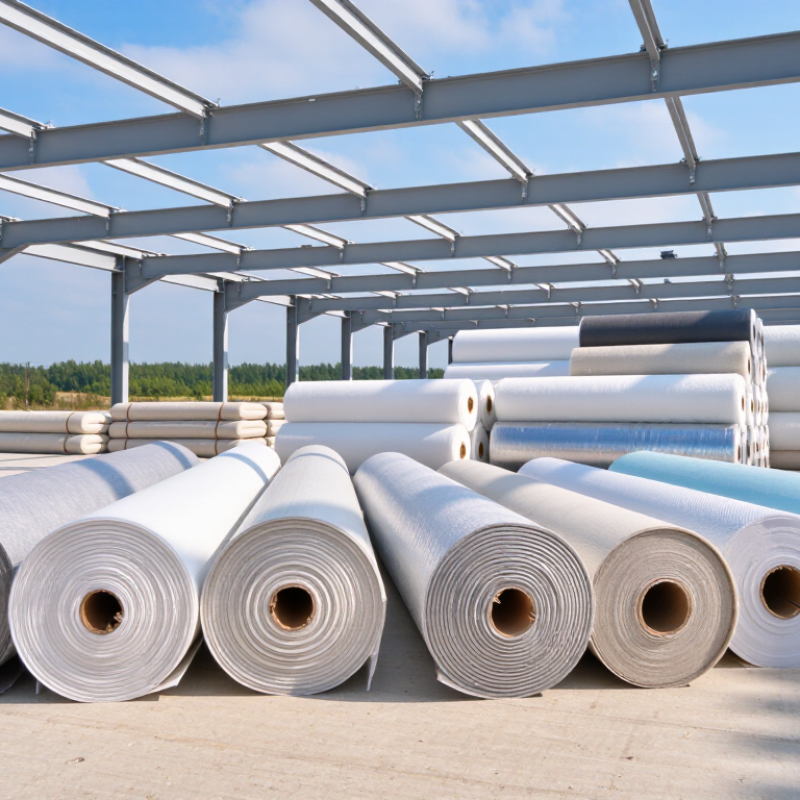
Table of Contents [Hide]
What Insulation Membranes Are and How They Control Heat and Moisture
Insulation membranes are thin building layers that manage heat, air, and moisture. They do not replace bulk insulation. Instead, they support its performance by limiting unwanted movement through walls, roofs, and floors. Heat moves. Moisture matters. A reflective membrane can reduce radiant heat transfer when it faces an air space. An air barrier can stop drafts that carry heat away. A vapor-control layer can slow indoor moisture from entering colder parts of an assembly, where condensation may form.
The right membrane depends on climate, wall design, indoor humidity, and installation quality. Permeability ratings deserve careful attention. A highly resistant layer may work well in one assembly but trap moisture in another. Field inspections often reveal loose seams, punctures around pipes, and poorly sealed edges. Small gaps can undermine expensive materials. Details decide. Buyers should request tested performance data, installation instructions, and compatibility information before selecting a product. Fire behavior and local building requirements also need professional review. I would not judge a membrane by thickness alone; a thin, carefully installed layer can outperform a heavier one with open joints. Still, product claims are not enough. Real performance depends on the complete assembly, and every project contains conditions that drawings may overlook.