-
PRODUCTS & SERVICESOptimized cooling solutions for modern data centersProducts & ServicesOptimized cooling solutions for modern data centers
-
CAPABILITIESAdvancing liquid cooling technologiesCapabilitiesAdvancing liquid cooling technologies
-
TechnologiesLiquid Cooling InnovationTechnologiesLiquid Cooling Innovation
-
RESOURCESLatest News & InformationResourcesLatest News & Information
-
ABOUTOur history, leadership and ownershipAboutOur history, leadership and ownership
-
CONTACTFacility locations and global operational footprint




What Is the Best Wheel Diamond Cutting Machine in 2026?
Choosing the best Wheel Diamond Cutting Machine in 2026 depends on the wheels you process, your workload, and the finish you expect. A small repair shop may value quick setup and simple controls. A high-volume workshop may need automated measurement, repeatable programs, and steady cycle times. Details matter.
This guide compares the practical features behind a sound buying decision, including spindle stability, cutting accuracy, control software, workpiece clamping, and operator safeguards. It also considers setup time, maintenance access, training, and after-sales support. A polished sample cut is useful, but it cannot show how a machine performs across different wheel designs or a full working day.
Look closely at the specifications. Ask suppliers how accuracy is measured, which wheel sizes the machine can accommodate, and what routine calibration involves. If possible, inspect a live demonstration using a wheel similar to those in your shop. Real operating conditions can reveal small issues that brochures miss. Still, no single model is best for every buyer. Budget, available floor space, operator experience, and local service coverage all shape the right choice. This overview offers a clear framework for comparing options, while recognizing that published figures should be confirmed with the manufacturer before purchase.
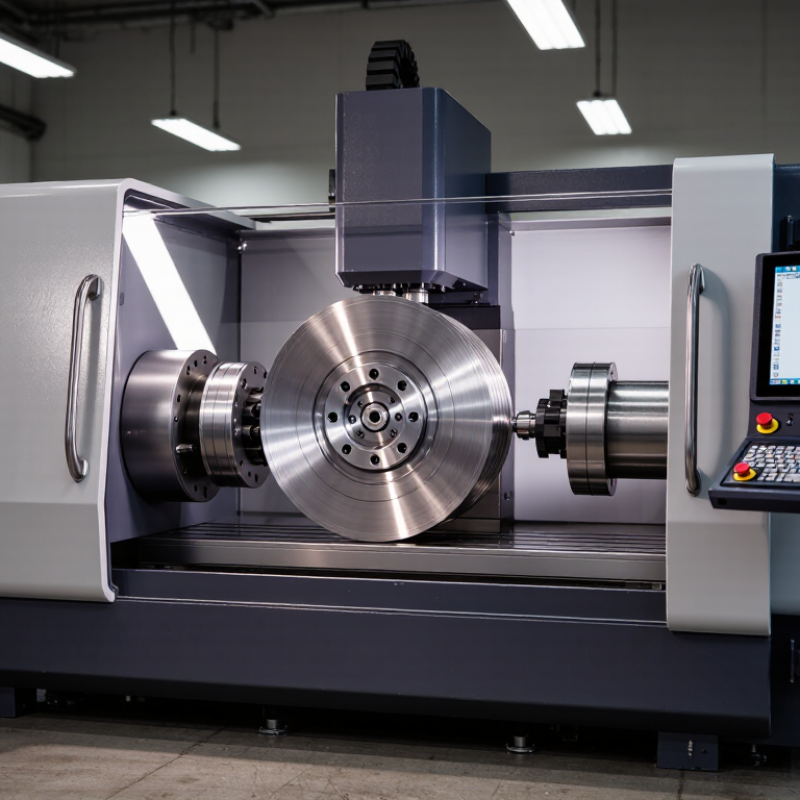
Table of Contents [Hide]
What Is a Wheel Diamond Cutting Machine?
A wheel diamond cutting machine is a precision lathe designed to refinish the visible face of an alloy wheel. The wheel is secured on a spindle and rotated while a diamond-tipped tool removes a very thin layer of metal. This process can restore crisp lines and a bright, machined appearance. Not magic.
Before cutting, a technician checks the wheel for cracks, bends, corrosion, and previous repairs. The wheel must be centered and clamped firmly; even slight runout can produce uneven marks. Tool depth matters, too. Removing excessive material may weaken the face or erase details around the spokes. Small adjustments count.
A capable machine offers controlled movement, repeatable settings, and a clear view of the cutting area. The operator still makes critical decisions, including whether the wheel is suitable for refinishing and how much material can safely be removed. After cutting, the surface should be inspected for consistent lines, sharp edges, and remaining coating needs. A glossy finish alone is not proof of a sound repair. I would not trust appearance by itself.