-
PRODUCTS & SERVICESOptimized cooling solutions for modern data centersProducts & ServicesOptimized cooling solutions for modern data centers
-
CAPABILITIESAdvancing liquid cooling technologiesCapabilitiesAdvancing liquid cooling technologies
-
TechnologiesLiquid Cooling InnovationTechnologiesLiquid Cooling Innovation
-
RESOURCESLatest News & InformationResourcesLatest News & Information
-
ABOUTOur history, leadership and ownershipAboutOur history, leadership and ownership
-
CONTACTFacility locations and global operational footprint

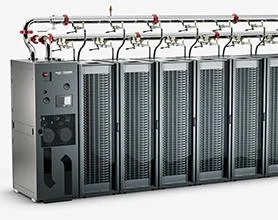
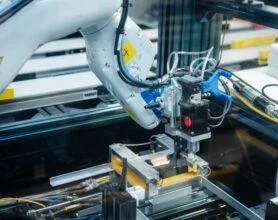
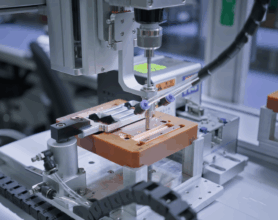



China Best Mini Server Rack Manufacturer?
Choosing the China Best Mini Server Rack Manufacturer? requires more than comparing catalog prices. A dependable supplier must understand thermal control, equipment compatibility, production quality, and long-term service. The Mini Server Rack is no longer limited to small offices. It supports retail branches, security systems, factories, education networks, and edge computing sites.
The International Energy Agency reported in Electricity 2024 that data centers consumed about 460 terawatt-hours globally in 2022. It also projected demand could exceed 1,000 terawatt-hours by 2026. Smaller deployments still need efficient airflow and sensible power planning. A compact cabinet with poor ventilation can create hot spots around switches and short-depth servers. That detail matters.
Uptime Institute’s 2024 Global Data Center Survey continues to highlight reliability, operational discipline, and outage prevention as major industry concerns. Therefore, buyers should examine steel thickness, rack-unit accuracy, maximum load, fan placement, grounding, cable access, and factory testing. Certifications and documented quality procedures also deserve verification, not assumptions. Ask for production photos, sample inspections, test records, and references from comparable installations.
Price is persuasive.
It is not proof.
A manufacturer may offer excellent customization yet lack consistent export support. Another may provide attractive branding but limited engineering depth. I have seen specifications appear complete until rail compatibility and packaging protection were tested. That is where careful evaluation begins. The best Chinese supplier should combine practical design experience, stable manufacturing, responsive communication, and transparent evidence. This guide examines those factors before identifying which manufacturer truly fits a Mini Server Rack project.
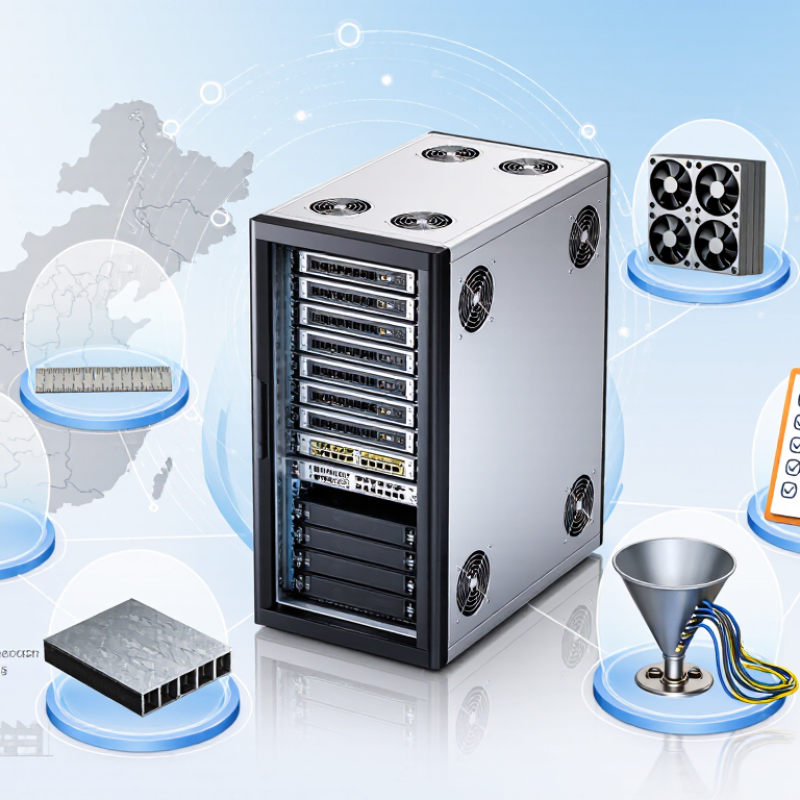
Table of Contents [Hide]
What Is a Mini Server Rack?
What Is a Mini Server Rack?
A mini server rack is a compact enclosure for organizing network and computing equipment. It usually follows the standard 19-inch equipment width. Common sizes range from 6U to 18U, making them suitable for offices, retail rooms, classrooms, and small data spaces.
Small does not mean simple.
Inside, a mini rack may hold switches, patch panels, routers, storage units, and a short-depth server. Its frame should support the equipment’s total weight without bending. Ventilation is equally important. Perforated doors, side vents, and a clear airflow path help prevent heat buildup. A small temperature rise can reduce equipment reliability over time.
Practical installation requires careful measurement. Check equipment depth, cable clearance, power needs, and wall strength before choosing a cabinet. A rack-mounted UPS can protect connected devices during short power interruptions. Grounding hardware also deserves attention, even in a small enclosure. Lockable doors add physical protection in shared areas.
Many buyers focus only on height. That is a mistake.
In real installations, crowded cables often block airflow and complicate maintenance. Leaving space for future equipment is wiser than filling every rack unit today. I have also seen compact cabinets placed too close to walls, making rear access frustrating. A mini server rack saves space, but it still needs planning, ventilation, and safe load management.