China Top 10 GPU Cooling Systems Manufacturers?

China’s GPU infrastructure is changing rapidly as artificial intelligence workloads demand denser computing and stronger thermal control. The International Energy Agency reported that data centers consumed about 460 terawatt-hours of electricity globally in 2022. It expects this figure could exceed 1,000 terawatt-hours by 2026. Much of that growth will come from AI servers.

GPU Cooling Systems now influence performance, reliability, energy use, and operating costs. NVIDIA’s H100 accelerator has a thermal design power of approximately 700 watts. That heat must move away from the silicon quickly. Otherwise, thermal throttling may reduce processing speed. Small details matter, including cold-plate contact, pump stability, coolant cleanliness, fan noise, and service access.

This guide examines ten Chinese manufacturers involved in GPU cooling systems. It considers liquid cooling, air cooling, immersion solutions, cold plates, pumps, and integrated rack systems. The assessment draws on technical specifications, manufacturing capability, certifications, application experience, and after-sales support. ASHRAE TC 9.9 guidance remains useful for evaluating data-center thermal conditions. Uptime Institute’s 2024 Global Data Center Survey also identified power availability as a major operational concern.

No ranking is perfect.

Some companies publish limited performance data. Others show impressive laboratory results but fewer large-scale deployments. That difference deserves attention. Buyers should request measured thermal resistance, flow-rate curves, leak testing procedures, acoustic data, and long-term reliability evidence. A polished brochure cannot replace field experience. This introduction provides a practical starting point for comparing China’s leading GPU cooling manufacturers and understanding where each supplier may fit.
China Top 10 GPU Cooling Systems Manufacturers?

What Are GPU Cooling Systems and Why Do They Matter?

What Are GPU Cooling Systems and Why Do They Matter?

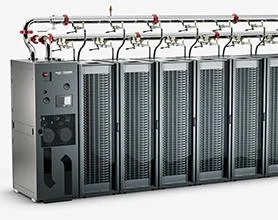
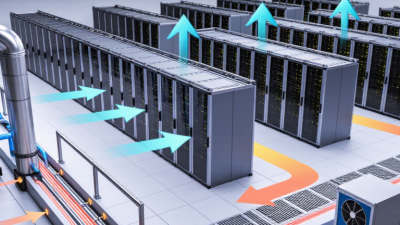
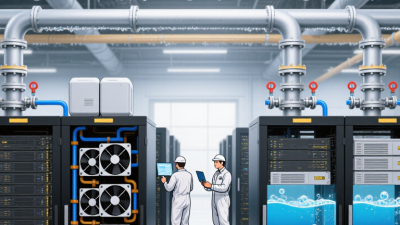
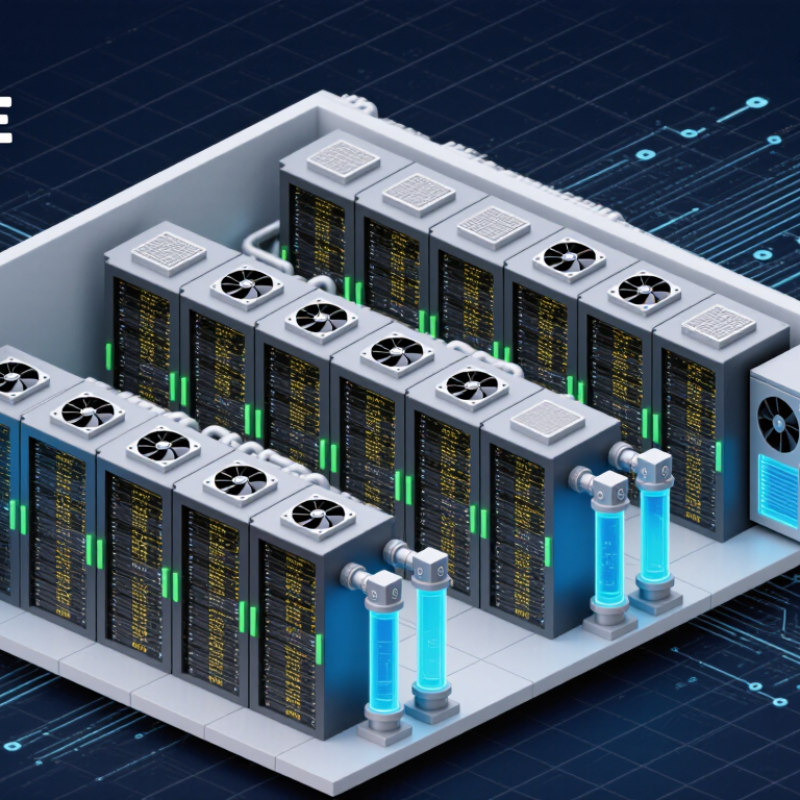
GPU cooling systems remove heat from processors, memory, and power components during intensive computing. They use heatsinks, fans, cold plates, pumps, or dielectric fluids. Air cooling remains simple and serviceable. Liquid cooling transfers heat more efficiently from dense GPU boards. A cold plate sits directly above the chip. Tubes carry warm coolant toward a heat exchanger. Small temperature sensors monitor the change.

The demand is no longer theoretical. The International Energy Agency’s 2025 Energy and AI report estimates that data centers consumed about 415 TWh of electricity in 2024. Cooling increases that burden. Uptime Institute’s data center research reports cooling energy can range from roughly 7% to over 30% of facility consumption. The result is visible inside a server room: louder fans, warmer exhaust air, and tighter airflow control. ASHRAE guidance also places typical air-cooled equipment inlet temperatures around 18–27°C.

When comparing the top ten GPU cooling system manufacturers, buyers should inspect more than cooling capacity. They should check thermal resistance, coolant compatibility, leak detection, pump redundancy, maintenance access, and performance under dust or partial load. Field testing matters. A system that performs well in a laboratory may struggle in a crowded rack. No method wins everywhere. Liquid cooling may reduce fan noise, yet it can add plumbing risks and technician training costs. These trade-offs make rankings imperfect, and published efficiency figures deserve careful verification.

How to Evaluate Chinese GPU Cooling System Manufacturers

How to Evaluate Chinese GPU Cooling System Manufacturers

Choosing among China’s top GPU cooling system manufacturers requires more than comparing prices. Start by checking engineering evidence. Ask for thermal test reports, airflow curves, noise data, and operating temperatures under sustained GPU loads. A reliable manufacturer should explain its testing equipment and boundary conditions clearly. Vague charts are warning signs.

Visit the factory, if possible. Inspect copper or aluminum processing, surface flatness, soldering, sealing, and cleanliness controls. For liquid cooling systems, review pressure testing, leak detection, pump lifespan, and coolant compatibility. Request production samples before signing a large order. Measure thermal resistance yourself with a repeatable fixture. Small details matter. Check batch traceability, inspection records, packaging strength, and replacement-part availability.

Engineering support also separates capable suppliers from simple assemblers. Confirm whether the team can modify cold plates, heat pipes, vapor chambers, or fan curves for your GPU design. Review tooling ownership, prototype timing, minimum order quantities, and engineering change procedures. Verify quality certificates through official issuing channels. Do not accept scanned documents without checking them. My early supplier scorecard focused too heavily on peak cooling performance. That was a mistake. Long-term stability, acoustic behavior, and response speed often matter more in real installations. No scorecard is perfect. Recheck assumptions after pilot testing, especially when ambient temperatures, dust levels, and mounting pressure differ from laboratory conditions.

China Top 10 GPU Cooling System Manufacturers: How to Evaluate Them

This evaluation framework uses a 100-point weighting model for comparing GPU cooling system manufacturers without ranking or displaying company data.

Thermal performance, compatibility, reliability testing, and manufacturing capability receive the highest weights because they directly influence cooling efficiency, product stability, and supply consistency.

China’s Top 10 GPU Cooling System Manufacturers

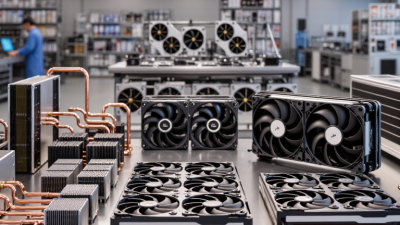
China’s Top 10 GPU Cooling System Manufacturers serve data centers, gaming equipment, workstations, and industrial computing projects. Their product ranges commonly include air coolers, vapor chambers, liquid cold plates, heat pipes, and complete rack-level cooling assemblies. Selection should depend on thermal load, installation space, acoustic limits, and maintenance access.

In supplier audits, engineers usually inspect copper purity, fin density, pump reliability, sealing quality, and thermal interface materials. A well-designed cold plate should spread heat evenly across the GPU package. It should also maintain stable flow under continuous operation. Some manufacturers provide CFD analysis, prototype testing, and thermal resistance reports. These documents help buyers compare performance beyond attractive specifications.

Not every factory deserves a top-ten position.

Production scale can hide weak quality control. A supplier may deliver excellent prototypes but struggle with repeated batches. Buyers should request sample testing, pressure checks, salt-spray data, and operating records from comparable projects. Response time matters too, especially when a cooling failure can reduce computing availability. China’s strongest manufacturers often combine CNC machining, brazing, leak testing, and automated inspection under one system. Still, published data may not reflect field conditions. Dust, vibration, poor airflow, and irregular maintenance can change results. An independent verification test remains sensible before large procurement. I would also question unusually low thermal-resistance claims, because measurement methods are not always comparable.

China Top 10 GPU Cooling Systems Manufacturers
Rank Supplier Identifier Primary Cooling Solutions Typical GPU Thermal Range Manufacturing Focus Common Materials Supported Form Factors Customization Capability Typical Quality Controls
1 Manufacturer 01 Vapor chamber assemblies, heat pipes, fin-stack coolers 150–450 W GPU thermal design power High-volume graphics-card cooling modules Copper base plates, aluminum fins, copper heat pipes Dual-slot, triple-slot, workstation and server layouts High Leak testing, thermal resistance testing, fan endurance testing
2 Manufacturer 02 All-in-one liquid coolers, cold plates and pump assemblies 200–700 W GPU thermal design power Liquid-cooling solutions for AI and data-center hardware Nickel-plated copper, aluminum radiators, EPDM tubing Rack servers, workstations and accelerator platforms High Pressure decay, flow-rate, pump-life and corrosion testing
3 Manufacturer 03 Direct-touch heat-pipe coolers and axial-fan modules 100–350 W GPU thermal design power Consumer and professional graphics cooling Nickel-plated copper heat pipes, aluminum fin arrays Single-slot, dual-slot and compact desktop designs Medium–High Fan vibration, acoustic, thermal cycling and dimensional checks
4 Manufacturer 04 Immersion-cooling components and liquid distribution plates 300–1,000 W GPU thermal design power High-density computing and server thermal management Copper, stainless steel, engineered polymers and seals Data-center trays, server nodes and accelerator systems High Fluid compatibility, pressure, flow uniformity and thermal-load testing
5 Manufacturer 05 Blower coolers, radial fans and compact heatsinks 75–250 W GPU thermal design power Space-constrained industrial and embedded GPU systems Aluminum extrusions, copper inserts and glass-fiber plastics Small-form-factor, embedded and industrial platforms Medium Airflow, acoustic, dust-ingress and operating-temperature tests
6 Manufacturer 06 Passive heatsinks, heat spreaders and hybrid cooling modules 35–200 W GPU thermal design power Fanless and low-noise electronics cooling Aluminum, copper, graphite sheets and thermal interface materials Embedded computers, industrial PCs and edge devices Medium Thermal mapping, interface flatness and environmental cycling
7 Manufacturer 07 Cold plates, manifolds and custom liquid-loop assemblies 250–800 W GPU thermal design power Custom OEM and original design manufacturing projects Machined copper, aluminum, stainless steel and elastomer seals AI servers, HPC systems and liquid-cooled workstations Very High CNC inspection, helium or pressure leak testing and flow validation
8 Manufacturer 08 Vapor chambers, fin stacks and low-profile heat-pipe solutions 120–400 W GPU thermal design power Thin, high-density graphics and computing equipment Vacuum-brazed copper, aluminum fins and soldered joints Thin workstations, compact servers and multi-GPU systems High Vacuum integrity, brazing quality, thermal performance and X-ray inspection
9 Manufacturer 09 GPU backplates, heat spreaders and auxiliary cooling parts 80–300 W GPU thermal design power Mechanical and thermal subassemblies for graphics hardware Stamped aluminum, copper sheets, stainless steel and silicone pads Desktop graphics cards, workstation cards and custom boards Medium–High Coating inspection, flatness measurement, assembly checks and thermal testing
10 Manufacturer 10 Fans, fan trays and complete air-cooling subassemblies 100–500 W GPU thermal design power System-level airflow and thermal integration Aluminum, copper, reinforced polymer and ball-bearing components Server chassis, GPU workstations and rack-mounted systems Medium–High Airflow, static-pressure, acoustic, vibration and reliability testing
Note: Manufacturer names and brand-specific commercial data are intentionally omitted. Thermal ranges represent commonly specified design capabilities for comparable GPU cooling-system categories in the Chinese manufacturing market.

Comparing Technologies, Products, and Manufacturing Capabilities

China’s top ten GPU cooling system manufacturers should be compared by engineering evidence, not catalog size. Their portfolios usually cover high-pressure air cooling, direct-to-chip cold plates, rear-door heat exchangers, and immersion systems. Direct-to-chip designs suit dense AI servers, while air cooling remains simpler for mixed workloads. Immersion cooling can reduce fan power, but fluid compatibility and maintenance require careful validation.

The International Energy Agency reported that data centers consumed about 415 TWh of electricity in 2024. Demand may reach nearly 945 TWh by 2030. This growth makes cooling efficiency a commercial priority. The Uptime Institute’s 2024 survey placed average data center PUE near 1.56. However, PUE alone can hide pump energy, water use, and partial-load losses. Buyers should examine thermal resistance, pressure drop, coolant flow, leak detection, and measured performance at 30 kW or higher rack loads.

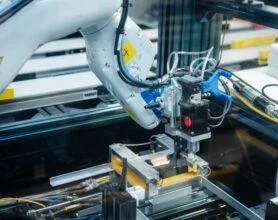
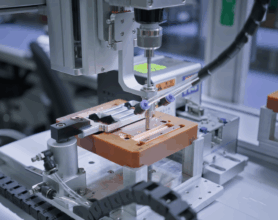
Manufacturing capability separates strong suppliers from attractive prototypes. Reliable producers should show automated brazing, clean-room assembly, pressure testing, thermal cycling, and traceable quality records. Products also need modular manifolds, replaceable seals, and serviceable filters. In factory audits, documentation often matters as much as machining accuracy. A weakness remains: some published thermal figures use ideal laboratory conditions. Independent testing under dust, vibration, and fluctuating workloads would create fairer rankings. Supplier response time and spare-part coverage deserve equal attention.

How to Choose the Right Chinese GPU Cooling System Supplier

Choosing a Chinese GPU cooling system supplier requires more than comparing catalog prices. Match the cooling design to GPU thermal design power, rack density, coolant type, and maintenance access. The International Energy Agency reported that data centers used about 415 TWh of electricity in 2024. It expects demand to exceed 945 TWh by 2030. Efficient cooling is now an operating requirement, not a cosmetic upgrade.

Request measured thermal data from a complete test rack. Ask for inlet temperature, coolant flow, pressure drop, leak rate, and noise readings. Air systems should be checked against ASHRAE thermal guidance, which commonly recommends 18–27°C for recommended data-center inlet conditions. For liquid systems, inspect cold-plate flatness, seal materials, quick connectors, and corrosion protection. A supplier should provide drawings, replacement procedures, and failure-response times. Photos are useful, but test records matter more.

Audit the factory before signing a long contract. Verify machining consistency, assembly cleanliness, calibration records, and batch traceability. Require a pilot order with acceptance limits written clearly. The lowest quotation may hide weak pumps, short hoses, or expensive field service. I have seen specifications look complete while omitting pressure-drop curves. That omission deserves scrutiny. Independent laboratory validation strengthens credibility, but supplier data still needs practical verification under your workload, ambient temperature, and rack configuration.