-
PRODUCTS & SERVICESOptimized cooling solutions for modern data centersProducts & ServicesOptimized cooling solutions for modern data centers
-
CAPABILITIESAdvancing liquid cooling technologiesCapabilitiesAdvancing liquid cooling technologies
-
TechnologiesLiquid Cooling InnovationTechnologiesLiquid Cooling Innovation
-
RESOURCESLatest News & InformationResourcesLatest News & Information
-
ABOUTOur history, leadership and ownershipAboutOur history, leadership and ownership
-
CONTACTFacility locations and global operational footprint







How to Choose the Best Booster Seat in 2026?
Choosing a Booster Seat in 2026 is not just about comparing prices or picking a familiar brand. The right choice depends on your child’s size, your vehicle, and whether the seat belt fits correctly. A child should sit with their back against the vehicle seat, knees bending comfortably at the edge. The lap belt should rest low across the hips, while the shoulder belt crosses the chest without rubbing the neck. Fit matters.
A seat that works well in one car may feel awkward in another. If possible, check how it sits across your back seat and whether your child can buckle independently without twisting the belt. High-back models can provide head and side support, while backless models may suit vehicles with appropriate head restraints. Neither style is automatically best for every family. It is tempting to focus on extra features, but daily comfort and correct belt positioning matter more. I would pause over any product claim that promises a “perfect” fit for every child.
This guide will help you compare seat types, fit, ease of use, cleaning, and value. Check the seat’s instructions and your vehicle manual before buying; recommendations and requirements can vary by location and model. Look for current safety information from reliable sources, and check whether a product has been recalled. A few minutes of checking can prevent a poor match. No seat fits every situation. The best choice is the one your child can use correctly on every ride, not just the one with the longest feature list.
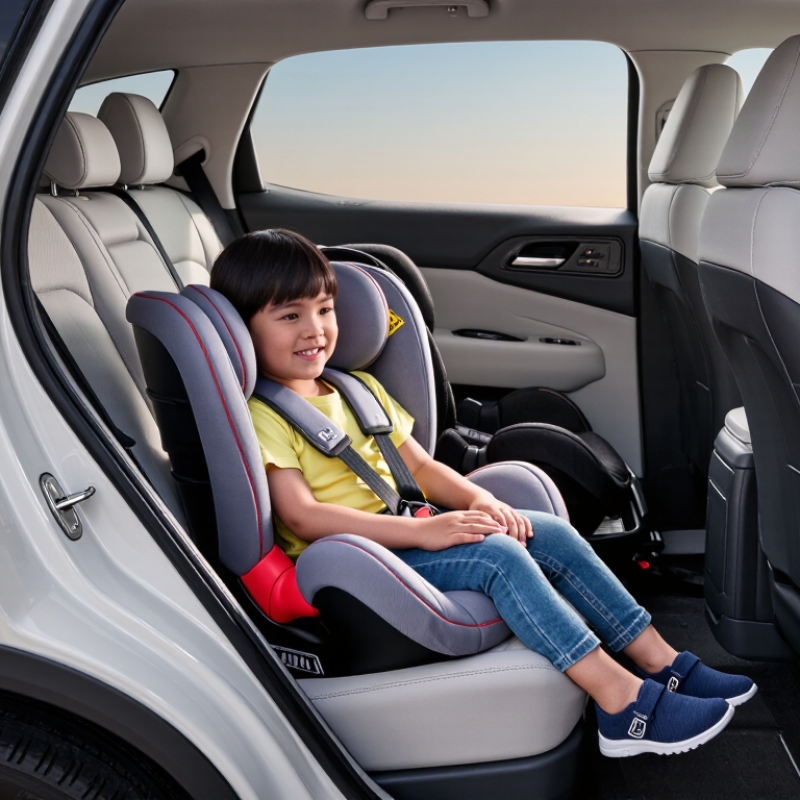
Table of Contents [Hide]
Understanding Booster Seats and When a Child Is Ready
Choosing the best booster seat in 2026 begins with checking whether your child is ready for one. A booster helps position the vehicle’s lap-and-shoulder belt; it does not restrain a child by itself. Readiness usually comes after a child outgrows a forward-facing harness, following the seat’s height and weight limits. Your child should also sit upright without slouching or leaning throughout the ride. That sounds simple, but busy trips can make good posture harder to maintain.
Tips: Check belt fit with the child seated against the vehicle seat. The lap belt should rest low across the hips and upper thighs, not the stomach. The shoulder belt should cross the chest and shoulder, not the neck or face. Knees should bend comfortably at the seat edge. If your child keeps shifting out of position, they may need more time in a harnessed seat.
Choose a booster that fits your child and vehicle, and follow both manuals closely. A backless booster may work where the vehicle seat provides head support; a high-back model can offer support when it does not. Keep children in the back seat, following current safety guidance. Fit can vary between vehicles, so try the belt path before relying on a seat for daily travel. Sometimes a seemingly small mismatch matters.