-
PRODUCTS & SERVICESOptimized cooling solutions for modern data centersProducts & ServicesOptimized cooling solutions for modern data centers
-
CAPABILITIESAdvancing liquid cooling technologiesCapabilitiesAdvancing liquid cooling technologies
-
TechnologiesLiquid Cooling InnovationTechnologiesLiquid Cooling Innovation
-
RESOURCESLatest News & InformationResourcesLatest News & Information
-
ABOUTOur history, leadership and ownershipAboutOur history, leadership and ownership
-
CONTACTFacility locations and global operational footprint







Why Choose Water Based Urethane for Your Project?
Choosing a floor or furniture finish is rarely just a color decision. A workshop bench faces spills, scratches, and daily handling; a sunlit room adds heat and changing humidity. Water Based Urethane can suit projects where a clear protective coat and easier cleanup matter. Still, the right finish depends on the surface, expected wear, and product instructions.
Coatings author James J. Koleske’s testing-focused work offers a useful reminder: performance should be judged under real use, not by appearance alone. In paraphrase, not as a verified direct quotation: “A coating earns confidence when it performs in the conditions it will actually face.” That idea is practical. A sample board can reveal sheen, color shifts, and brush marks before the entire surface is coated. Small tests help.
Water Based Urethane generally has lower odor than many solvent-based alternatives and cleans up with water while wet. Those benefits do not make every formula identical. Drying time, hardness, application method, and resistance to standing water can vary by product. Read the technical data sheet, follow the label, and allow the recommended curing period before heavy use. Patience matters. One limitation deserves honesty: a fast-drying coat can show lap marks if application is rushed. For a project exposed to constant moisture or severe abrasion, compare specifications carefully rather than relying on the product name. The best choice is the finish that fits the surface and its everyday demands.
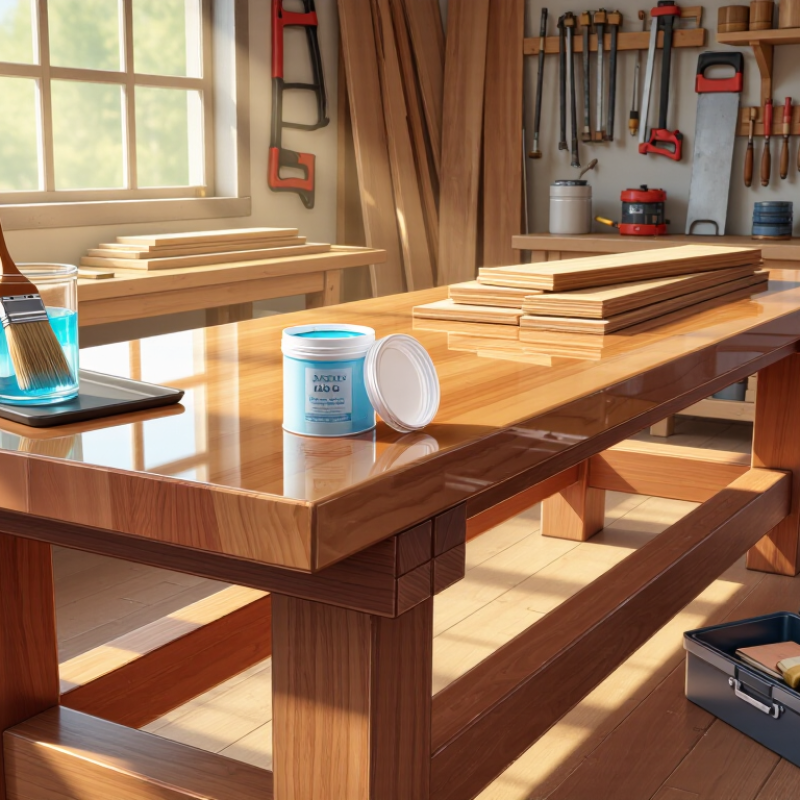
Table of Contents [Hide]
What Water-Based Urethane Is and How It Forms a Protective Film
Water-based urethane is a finish in which polyurethane resin is dispersed in water rather than carried mainly by solvent. As the coating is spread across wood, water evaporates and the resin particles draw together. They form a continuous film over the surface. Depending on the formula, further curing or crosslinking can strengthen that film. The result can resist everyday scuffs, spills, and abrasion, though performance depends on the product and application.
The film’s quality depends on more than its label. A dusty tabletop, heavy application, or cool, damp room can slow drying and leave an uneven finish. Thin, even coats usually give the particles a better chance to form a uniform layer. Follow the stated drying and recoat times. “Dry to touch” does not always mean fully cured. Not automatically.
VOC figures offer useful context, but they need careful reading. The U.S. EPA’s architectural-coatings standard sets category-specific limits of 250 grams per liter for flat coatings and 380 grams per liter for nonflat coatings (40 CFR Part 59, Subpart D). These are regulatory ceilings, not proof that every water-based urethane has the same VOC level. Check the product’s technical data sheet for its stated VOC content, recommended coat thickness, and cure time; those details better indicate what to expect on a real project.