-
PRODUCTS & SERVICESOptimized cooling solutions for modern data centersProducts & ServicesOptimized cooling solutions for modern data centers
-
CAPABILITIESAdvancing liquid cooling technologiesCapabilitiesAdvancing liquid cooling technologies
-
TechnologiesLiquid Cooling InnovationTechnologiesLiquid Cooling Innovation
-
RESOURCESLatest News & InformationResourcesLatest News & Information
-
ABOUTOur history, leadership and ownershipAboutOur history, leadership and ownership
-
CONTACTFacility locations and global operational footprint







How to Choose a Portable Multi Gas Detector in 2026?
Choosing a Portable Multi Gas Detector in 2026 requires more than comparing sensor counts. It demands evidence, field experience, and disciplined risk assessment. The detector may sit against a worker’s jacket, vibrating beside a noisy compressor, while oxygen levels fall unnoticed. Small details matter.
The International Association of Oil & Gas Producers emphasizes personal gas detection, alarm management, calibration, and worker competency in its safety guidance. NIOSH identifies 19.5% oxygen as an oxygen-deficient atmosphere, making reliable oxygen measurement essential. Market research also indicates continued growth in portable gas detection, driven by stricter workplace safety expectations and expanding industrial applications. However, market forecasts differ. Treat them as signals, not guarantees.
As gas-detection specialist Steve Davies of Honeywell Analytics stated, “A detector is not a substitute for a risk assessment.” That principle should guide every purchase. A suitable Portable Multi Gas Detector must match the actual hazards, including oxygen deficiency, combustible gases, hydrogen sulfide, carbon monoxide, or volatile compounds. Check sensor technology, response time, alarm strength, ingress protection, battery duration, calibration requirements, data logging, and service support. A lower price can become expensive when sensors fail, charging systems break, or technicians cannot obtain calibration.
There is no perfect instrument. Field conditions expose weaknesses.
This guide compares practical specifications, certification requirements, maintenance routines, and user experience. It also questions a common assumption: more sensors do not automatically mean better protection. The right detector is the one workers can carry, understand, test, and trust under pressure.
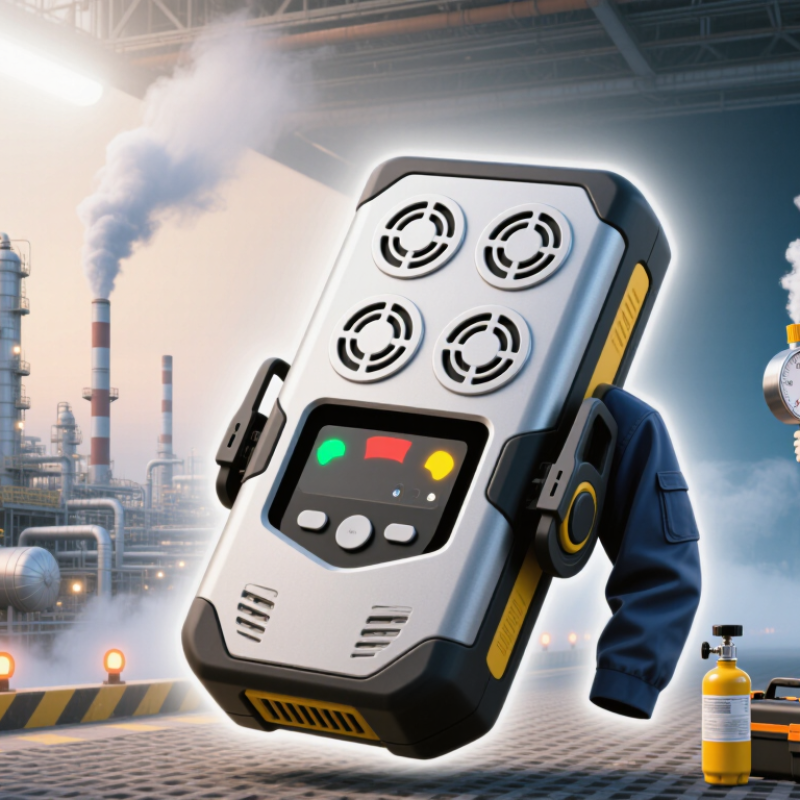
Table of Contents [Hide]
Understanding Portable Multi-Gas Detector Types and Applications
How to Choose a Portable Multi-Gas Detector in 2026?
Understanding Portable Multi-Gas Detector Types and Applications
A portable multi-gas detector monitors several atmospheric hazards in one compact instrument. Common configurations measure oxygen, combustible gases, hydrogen sulfide, and carbon monoxide. Some models add volatile organic compound detection through a photoionization sensor. Sensor selection should match the actual worksite, not a generic checklist. Oxygen sensors support confined-space entry, while infrared sensors can measure combustible gases with less sensitivity to oxygen deficiency. Catalytic sensors remain useful, but they may require oxygen to respond correctly.
Different applications demand different designs. Wastewater teams often need hydrogen sulfide protection and a sampling pump for remote readings. Utility workers may value lightweight alarms, strong clips, and clear displays under poor lighting. Industrial maintenance teams may need data logging, vibration resistance, and replaceable batteries. Fire response environments require careful sensor compatibility and heat limitations. Check the operating temperature and ingress protection rating.
Reliable use depends on routine practice. Perform a bump test before each shift, then calibrate according to the manufacturer’s instructions and site risk assessment. Keep the sampling inlet clean. A blocked filter can create false confidence. I have seen teams choose extra sensors “just in case,” then neglect battery checks and alarm training. More features do not always mean safer work. Alarm levels, response time, cross-sensitivity, and service support deserve equal attention. Selection is sometimes imperfect. Document the reason for each sensor and review it after real field experience.