-
PRODUCTS & SERVICESOptimized cooling solutions for modern data centersProducts & ServicesOptimized cooling solutions for modern data centers
-
CAPABILITIESAdvancing liquid cooling technologiesCapabilitiesAdvancing liquid cooling technologies
-
TechnologiesLiquid Cooling InnovationTechnologiesLiquid Cooling Innovation
-
RESOURCESLatest News & InformationResourcesLatest News & Information
-
ABOUTOur history, leadership and ownershipAboutOur history, leadership and ownership
-
CONTACTFacility locations and global operational footprint



How to Choose a Top China Explosion Proof Box Supplier?
Choosing a reliable China Explosion Proof Box supplier requires more than comparing prices or polished product photos. The enclosure may sit beside pumps, mixers, or dusty grain conveyors, where heat, impact, moisture, and flammable atmospheres create different risks. An Explosion Proof Box should be assessed against its intended hazardous-area classification, temperature rating, ingress protection, materials, and installation conditions. It does not make an unsafe system safe by itself.
Market evidence shows why supplier selection deserves careful attention. MarketsandMarkets’ 2023 Explosion-Proof Equipment Market report estimated the global market at approximately USD 8.7 billion, with continued growth driven by oil and gas, chemicals, mining, and manufacturing. Fortune Business Insights also identifies industrial safety upgrades and stricter risk controls as important market drivers. These reports indicate demand, not automatic quality. A large market still contains inconsistent manufacturing practices.
Look beyond certificates on a website. Ask for current test documentation, serial-number traceability, production inspection records, and clear references to IEC 60079 requirements or applicable regional schemes. IECEx certification, when relevant, can support international confidence, but the certificate must match the exact model, protection concept, gas or dust group, and temperature class. Experienced buyers also inspect gasket compression, cable-entry design, fastener quality, and coating thickness. Small details matter.
Visit the factory if possible. Watch how enclosures are machined, sealed, tested, and packed. Request samples before approving volume orders. One imperfect point deserves reflection: supplier claims can sound technical while hiding weak after-sales support. A dependable partner explains limitations, accepts corrective feedback, and provides consistent records. The best China supplier is not merely the cheapest. It is the one whose engineering evidence remains credible after delivery, installation, and years of service.
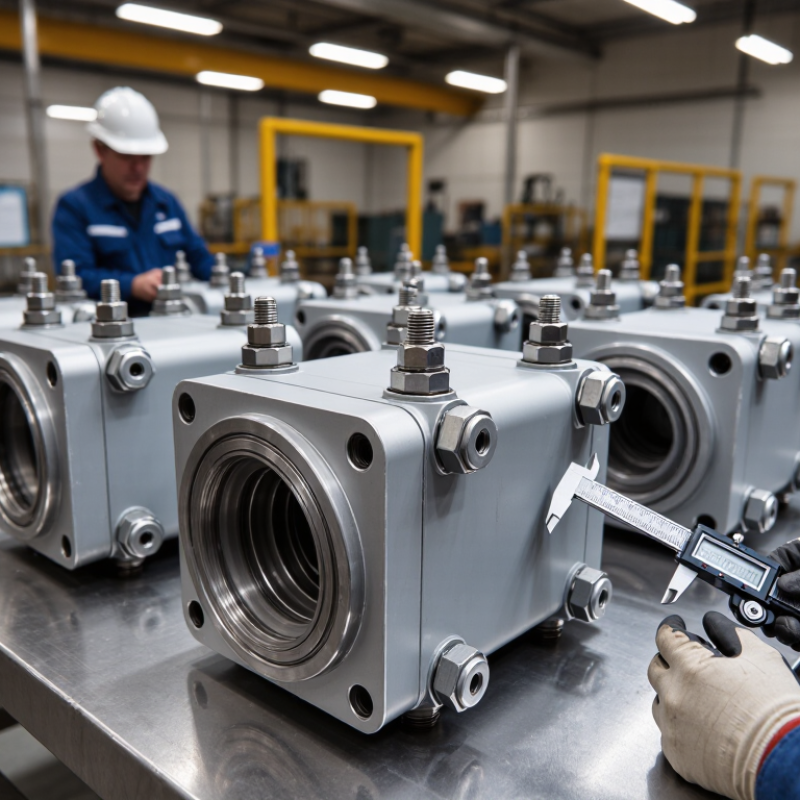
Table of Contents [Hide]
What Is an Explosion-Proof Box and Where Is It Used?
An explosion-proof box is a protective enclosure for electrical equipment used where flammable gas, vapor, dust, or fibers may exist. It limits ignition risks from sparks, hot surfaces, and internal faults. The enclosure can contain a small internal explosion and cool escaping gases through carefully engineered joints. It is not bombproof. That distinction matters.
These boxes appear in chemical processing areas, fuel handling facilities, grain plants, mines, paint workshops, and battery charging rooms. Typical contents include terminals, switches, relays, sensors, and control devices. Selection depends on the hazard type, temperature class, enclosure material, corrosion exposure, and required ingress protection. A stainless-steel box may suit coastal humidity, while coated aluminum can reduce weight. Dust protection also requires correctly sealed cable entries.
When comparing a China explosion-proof box supplier, request current test reports, certification details, dimensional drawings, and material records. Check whether the supplier explains installation limits instead of making broad safety claims. A careful supplier should identify compatible cable glands, grounding points, gasket materials, and maintenance intervals. Small omissions can create serious installation problems. I have found that documentation is often less impressive than the enclosure itself. Ask for sample inspection photos, traceable components, and evidence of routine quality checks. The final choice should match the site classification and local engineering requirements, not merely a low quotation.