-
PRODUCTS & SERVICESOptimized cooling solutions for modern data centersProducts & ServicesOptimized cooling solutions for modern data centers
-
CAPABILITIESAdvancing liquid cooling technologiesCapabilitiesAdvancing liquid cooling technologies
-
TechnologiesLiquid Cooling InnovationTechnologiesLiquid Cooling Innovation
-
RESOURCESLatest News & InformationResourcesLatest News & Information
-
ABOUTOur history, leadership and ownershipAboutOur history, leadership and ownership
-
CONTACTFacility locations and global operational footprint







How to Choose the Best PE Gas Pipes for Global Projects?
Choosing PE Gas Pipes for a global project requires more than comparing price per meter. A buried pipeline may cross deserts, floodplains, cities, and regulatory borders. Each location changes the engineering decision. Soil movement, operating pressure, temperature, gas composition, and installation methods all affect pipe performance. A strong selection process must connect these conditions with verified material data.
The International Energy Agency’s Gas 2024 report highlights continued investment in gas infrastructure and growing pressure on supply reliability. This trend increases the need for durable, leak-resistant distribution systems. The Plastics Pipe Institute’s Handbook of Polyethylene Pipe explains that polyethylene can provide flexibility, corrosion resistance, and reliable fusion joints when correctly designed and installed. However, these benefits depend on resin classification, wall thickness, pressure rating, joint quality, and traceable manufacturing. PE Gas Pipes should also comply with applicable standards, such as ISO 4437, EN 1555, or ASTM D2513, depending on the project region.
A practical evaluation should examine long-term hydrostatic strength, rapid crack resistance, environmental stress cracking, and field fusion procedures. Do not ignore installation reality. A technically excellent pipe can fail when trench preparation, bending limits, or electrofusion control are poorly managed. Independent certification, factory testing, and supplier experience deserve serious attention. Lower purchase cost may create higher lifecycle expenses. This is often underestimated. Project teams should also review local utility rules, climate records, and maintenance access before approval. No checklist is perfect, but a documented, evidence-based comparison can reduce risk and support dependable global gas infrastructure.
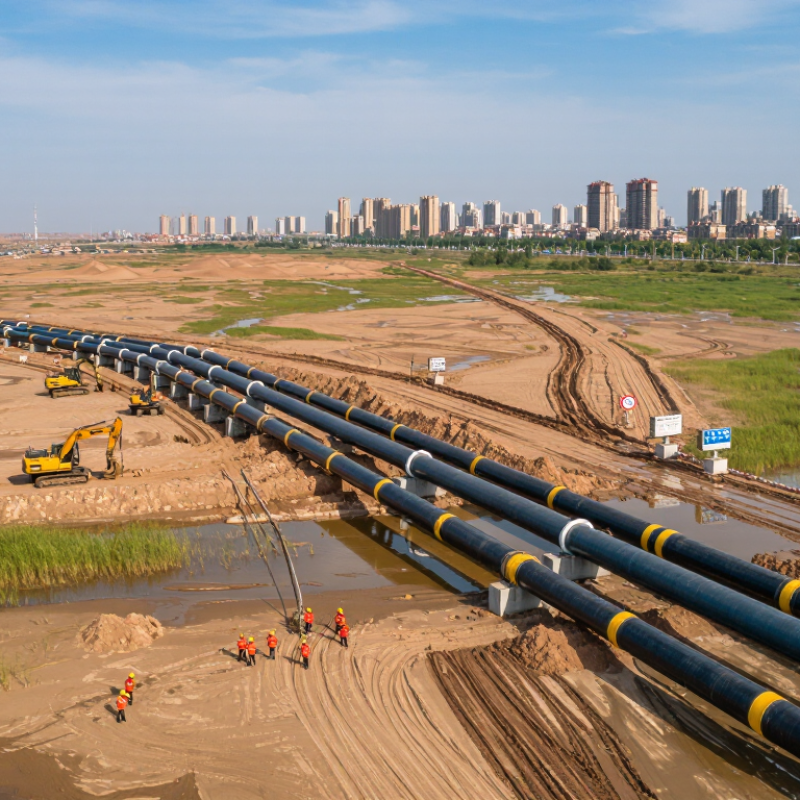
Table of Contents [Hide]
Understanding PE Gas Pipes and Their Main Types
How to Choose the Best PE Gas Pipes for Global Projects?
Polyethylene gas pipes are not a single product. They are a family of materials with different strength, density, and pressure performance. Common choices include MDPE, PE80, PE100, and PE4710. PE80 and PE100 follow ISO 4437 and EN 1555 practices, while PE4710 is widely specified under North American standards. According to the 2023 PHMSA Pipeline Statistics report, the United States operates more than 1.3 million miles of gas distribution mains. PE is a major material in this network because it resists corrosion and supports trenchless installation.
The pipe designation matters. PE100 generally offers higher long-term strength than PE80, allowing thinner walls at the same pressure rating. However, a thinner wall is not automatically better. Designers must check the SDR, operating pressure, temperature, soil movement, and gas composition. The Plastics Pipe Institute’s Handbook of Polyethylene Pipe identifies butt fusion and electrofusion as proven joining methods when trained crews control heating, alignment, and cooling. Small errors remain costly.
Look closely at local standards.
ISO 4437, EN 1555, ASTM D2513, and national gas codes may require different dimensions, markings, and testing. Industry reports often emphasize material performance, but field conditions can decide the result. For global projects, UV exposure, rocky backfill, seismic movement, and limited repair access deserve equal attention. A pipe selected only from a catalogue may pass the specification and still fail the project’s practical test.