-
PRODUCTS & SERVICESOptimized cooling solutions for modern data centersProducts & ServicesOptimized cooling solutions for modern data centers
-
CAPABILITIESAdvancing liquid cooling technologiesCapabilitiesAdvancing liquid cooling technologies
-
TechnologiesLiquid Cooling InnovationTechnologiesLiquid Cooling Innovation
-
RESOURCESLatest News & InformationResourcesLatest News & Information
-
ABOUTOur history, leadership and ownershipAboutOur history, leadership and ownership
-
CONTACTFacility locations and global operational footprint







How to Choose the Best Aluminum Frame Sun Room?
Choosing the right Aluminum Frame Sun Room involves more than comparing prices and attractive photographs. A successful design should match the building, climate, lifestyle, and available space. A sunny garden may welcome a lightweight glass room, while a coastal property needs stronger corrosion protection and carefully sealed joints.
Start with the frame itself. Powder-coated aluminum offers a clean appearance and limited maintenance. However, frame quality varies considerably. Thermal breaks can reduce heat transfer, especially during cold mornings or intense summer sunlight. Double glazing may improve comfort, but glass thickness, coatings, and ventilation also matter. A warm room with no airflow can still feel uncomfortable.
Practical inspection is essential. Check drainage channels, roof pitch, corner joints, door tracks, and locking points. Ask whether the structure is designed for local wind, rain, and snow conditions. Reliable suppliers should provide clear specifications, installation guidance, warranty terms, and evidence of previous projects. Photographs help, but they never replace careful measurements.
There is no universal best choice. An experienced installer can identify problems that a catalogue hides, such as uneven paving or difficult water runoff. Even careful planning can miss small details. I once underestimated how quickly afternoon glare could heat a glass space. That mistake changed the final specification. This guide examines frame construction, glazing, insulation, ventilation, maintenance, cost, and installation quality, helping homeowners make a more informed and realistic decision.
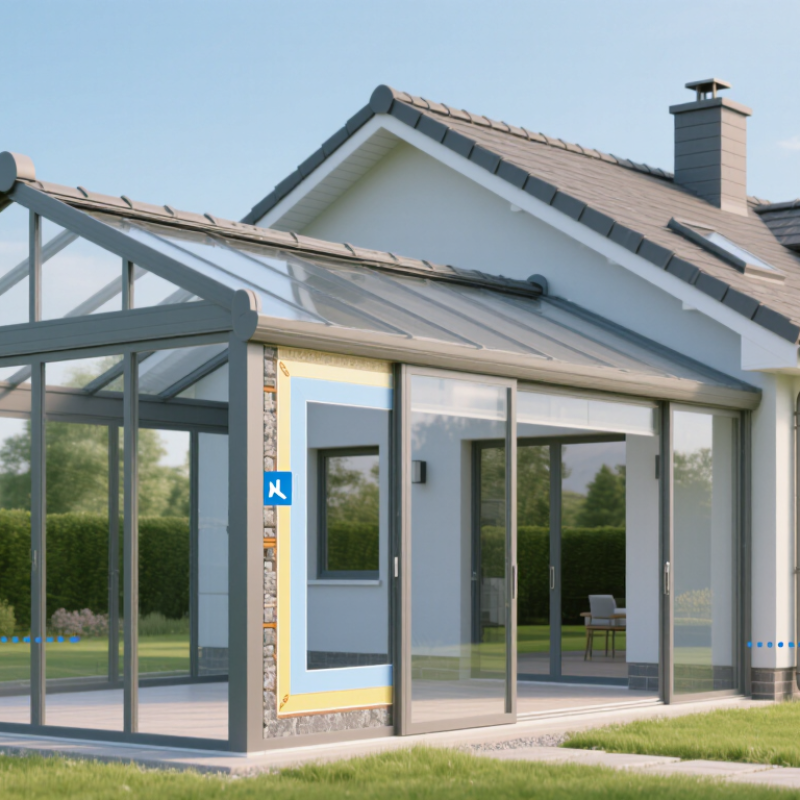
Table of Contents [Hide]
Understanding Aluminum Frame Sun Room Designs
Choosing an aluminum frame sun room starts with its design, not its color. In practice, I examine how the room will be used throughout the day. A reading space needs soft light, while a dining area may require wider openings and stronger ventilation. Details matter. Slim aluminum profiles create clear views, but they can feel cold without thermal breaks. Roof shape also changes the room’s character. A sloped roof sheds rain efficiently, while a flat-looking roof offers a modern profile but demands careful drainage.
Good design connects structure, glazing, and climate. Double or triple glazing can improve comfort, yet glass selection should match local heat, wind, and noise conditions. Low-emissivity coatings may reduce summer heat, but they also affect winter warmth and daylight. Ask for tested U-values, air leakage data, and water resistance results. These documents provide stronger evidence than attractive computer drawings. I also check corner joints, seals, gutters, and opening hardware. Small gaps matter. They can undermine an otherwise excellent enclosure.
Orientation deserves practical attention. South-facing rooms may need external shading, while west-facing glass often receives harsh afternoon sun. Operable windows, roof vents, and discreet blinds help control temperature without relying only on mechanical cooling. Safety glazing and secure locks should follow applicable local building requirements. A careful installer should explain expansion movement, maintenance access, and expected condensation points. I once underestimated glare in a bright room; the space looked beautiful, but the table became uncomfortable at noon. Design drawings should welcome that criticism before construction begins.