-
PRODUCTS & SERVICESOptimized cooling solutions for modern data centersProducts & ServicesOptimized cooling solutions for modern data centers
-
CAPABILITIESAdvancing liquid cooling technologiesCapabilitiesAdvancing liquid cooling technologies
-
TechnologiesLiquid Cooling InnovationTechnologiesLiquid Cooling Innovation
-
RESOURCESLatest News & InformationResourcesLatest News & Information
-
ABOUTOur history, leadership and ownershipAboutOur history, leadership and ownership
-
CONTACTFacility locations and global operational footprint







How to Choose the Best Solar PV Battery in 2026?
Choosing the best Solar Pv Battery in 2026 requires more than comparing capacity and price. A battery is the quiet engine behind evening lights, refrigerator cycles, and backup power during outages. It must match your solar array, household demand, climate, and export tariff.
The market is expanding quickly. IRENA’s Renewable Capacity Statistics 2025 reported 585 gigawatts of renewable capacity added worldwide in 2024. Solar power represented most of that growth, increasing pressure on grids to manage daytime generation and evening demand. The International Energy Agency also identifies battery storage as a crucial flexibility resource. IEA Executive Director Fatih Birol said, “The combination of solar PV and batteries is going to be a game changer for electricity systems around the world.” These findings support a practical point: battery value depends on system performance, not headline capacity alone.
Look beyond kilowatt-hours. Compare usable capacity, round-trip efficiency, cycle life, warranty conditions, thermal management, and software quality. Lithium iron phosphate batteries often offer strong safety and cycle performance, while other chemistries may suit different space or budget limits. Installation quality matters just as much. A poorly sized system can leave a battery half-used every day, like an oversized water tank serving one small tap. That is wasteful. It is also easy to overstate savings without local tariff data and realistic consumption records. The best choice may not be the largest battery. It may be the one that quietly matches your daily load, solar production, and future needs.
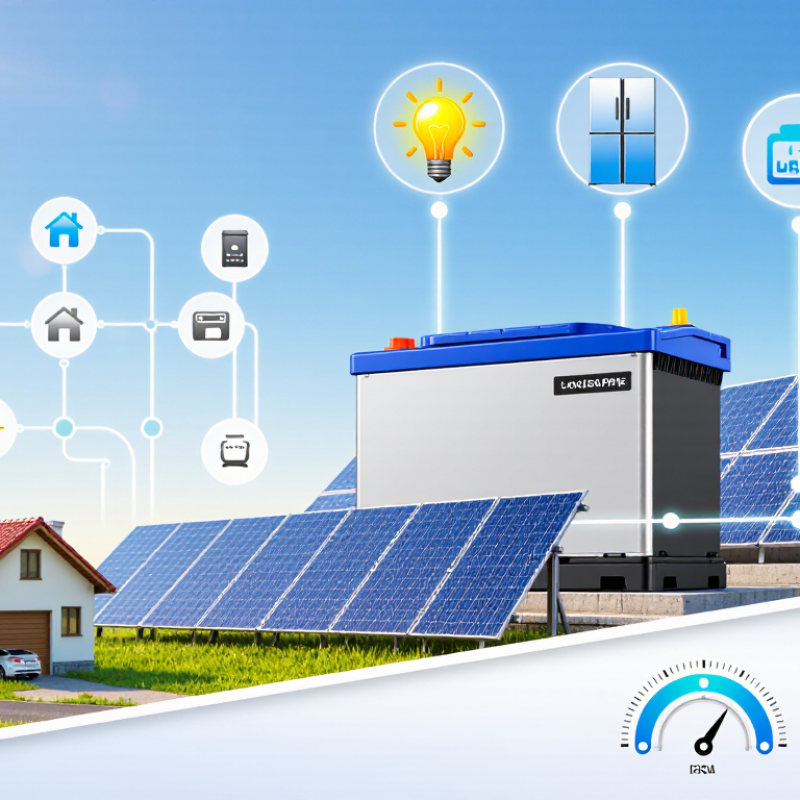
Table of Contents [Hide]
Solar PV Battery Basics and Key Technologies in 2026
How to Choose the Best Solar PV Battery in 2026?
Solar PV Battery Basics and Key Technologies in 2026
Solar batteries store surplus electricity for evening use, backup, or time-based energy management. In 2023, global battery storage additions nearly doubled, reaching about 42 GW, according to the International Energy Agency. That growth reflects a practical need: solar production peaks around noon, while household demand often rises after sunset. Measure the load first. A larger battery is not automatically better.
Lithium iron phosphate batteries remain attractive because they offer strong thermal stability, long cycle life, and useful depth of discharge. Nickel-based lithium batteries can provide higher energy density, but temperature control and safety design deserve closer attention. Sodium-ion systems are developing quickly and may reduce dependence on certain minerals. Flow batteries suit longer-duration storage, although their size and installation complexity can limit residential use. According to BloombergNEF, average lithium-ion pack prices fell to about 115 dollars per kilowatt-hour in 2024. Lower prices help, but installation quality still affects real performance.
Compare round-trip efficiency, usable capacity, warranty conditions, and expected degradation. A battery rated at 10 kWh may deliver less usable energy after reserve limits and conversion losses. The National Renewable Energy Laboratory notes that temperature, cycling patterns, and operating controls strongly influence battery life. Safety comes first. Ask about thermal monitoring, ventilation, emergency shutdowns, and installer qualifications. A perfect battery does not exist. I would also question optimistic cycle-life claims without local climate data, maintenance records, and independent testing.