-
PRODUCTS & SERVICESOptimized cooling solutions for modern data centersProducts & ServicesOptimized cooling solutions for modern data centers
-
CAPABILITIESAdvancing liquid cooling technologiesCapabilitiesAdvancing liquid cooling technologies
-
TechnologiesLiquid Cooling InnovationTechnologiesLiquid Cooling Innovation
-
RESOURCESLatest News & InformationResourcesLatest News & Information
-
ABOUTOur history, leadership and ownershipAboutOur history, leadership and ownership
-
CONTACTFacility locations and global operational footprint






How to Choose the Best Stadium LED Screen in China?
Choosing the best Stadium Led Screen in China means matching the display to the venue, not simply selecting the largest model or lowest quote. A football ground, indoor arena, and training stadium each create different viewing conditions. Start with the audience’s distance from the screen, the available installation space, and whether the display must show live footage, scores, or advertisements. Pixel pitch affects image clarity at different distances, while brightness and contrast matter under sunlight and stadium lighting. Details matter.
The screen is only one part of the decision. Check the cabinet design, ventilation, weather protection, power requirements, and access for maintenance. Ask suppliers for product specifications, relevant test documentation, warranty terms, and examples of comparable installations. A clear service plan is especially important when a faulty module could disrupt an event. Request a demonstration or sample display, and review how the supplier handles spare parts and technical support. The cheapest offer may leave important costs unclear. Yet the most expensive option is not automatically the right one. This guide explores the practical questions buyers should ask when comparing Chinese manufacturers, assessing screen performance, and balancing image quality, durability, and long-term support. There is no universal best screen; the right choice depends on the venue and its operating needs.
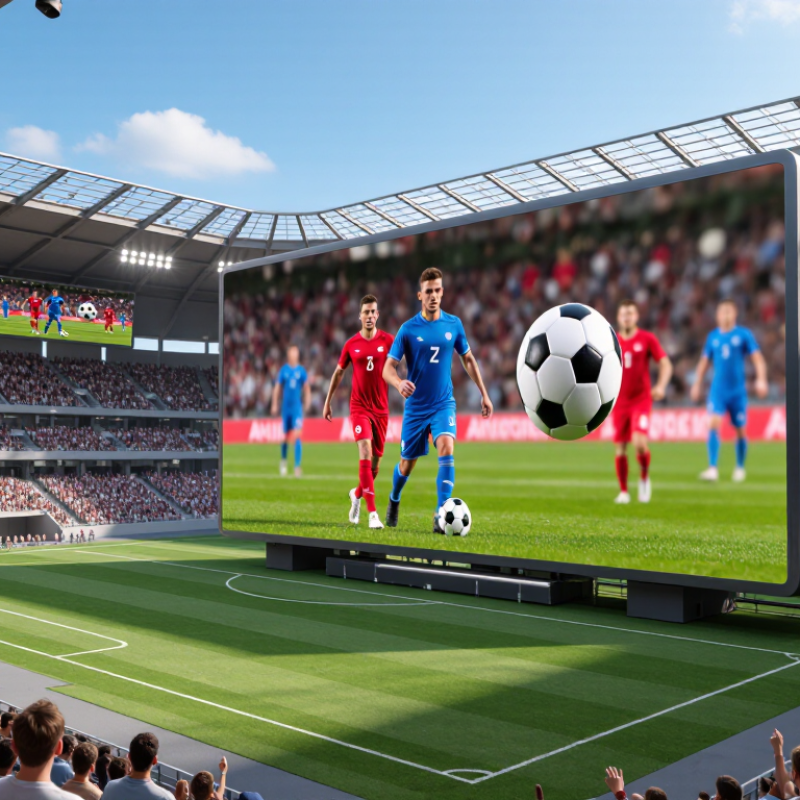
Table of Contents [Hide]
Define the Stadium’s Viewing Needs and Display Objectives
How to Choose the Best Stadium LED Screen in China?
Define the Stadium’s Viewing Needs and Display Objectives
Start with the people in the seats, not a screen catalogue. Walk the venue and note the nearest and farthest viewing points, steep seating angles, roof shadows, and structures that block sightlines. A screen that looks crisp from the front row may appear too small from the upper deck. Match screen size and pixel pitch to actual viewing distances, then check the layout from several sections.
Decide what the display must do during a typical event. Live scores need clear, quickly readable text; replays need smooth motion; sponsor messages need enough time and contrast to be noticed. Sunlight, night lighting, and camera use also affect the choice. Ask for brightness and viewing-angle checks under the stadium’s real conditions. A site visit helps, but measurements can still miss how crowded seats change sightlines. That deserves a second look.
Tips: Photograph the view from key seating areas at different times of day. List the smallest text viewers must read, and test it from the farthest seats. Share event schedules and content examples with the display supplier before comparing proposals.