-
PRODUCTS & SERVICESOptimized cooling solutions for modern data centersProducts & ServicesOptimized cooling solutions for modern data centers
-
CAPABILITIESAdvancing liquid cooling technologiesCapabilitiesAdvancing liquid cooling technologies
-
TechnologiesLiquid Cooling InnovationTechnologiesLiquid Cooling Innovation
-
RESOURCESLatest News & InformationResourcesLatest News & Information
-
ABOUTOur history, leadership and ownershipAboutOur history, leadership and ownership
-
CONTACTFacility locations and global operational footprint







How to Choose the Best Tin Bar Casting Machine?
Choosing the right Tin Bar Casting Machine is a production decision, not a simple equipment purchase. The machine must match your alloy, output target, bar dimensions, and working environment. A small workshop may need compact controls and easy mold changes. A large refinery may require continuous operation, precise temperature control, and automated handling.
Casting expert John Campbell has emphasized, “The quality of a casting is determined before it is cast.” This principle remains practical today. Operators should inspect furnace stability, metal cleanliness, cooling performance, mold design, and temperature measurement before comparing machine prices. A reliable Tin Bar Casting Machine should create consistent bars with smooth surfaces, stable weight, and limited internal defects. These details affect packaging, remelting, and customer confidence.
Do not trust impressive capacity claims alone. Ask how the machine performs during long production runs. Request test samples using your actual tin grade and preferred bar size. Observe the pouring system closely. Uneven flow can produce visible lines, trapped gases, or irregular edges. Maintenance access also matters. A blocked nozzle should not require hours of disassembly.
There is no perfect machine.
Some recommendations may fail when electricity quality, operator skill, or factory space changes. That is why a careful selection process includes site measurements, supplier references, and realistic production data. The best choice balances technical performance, safety, service support, and total operating cost. This guide explains those factors clearly, helping buyers avoid attractive specifications that do not survive everyday production.
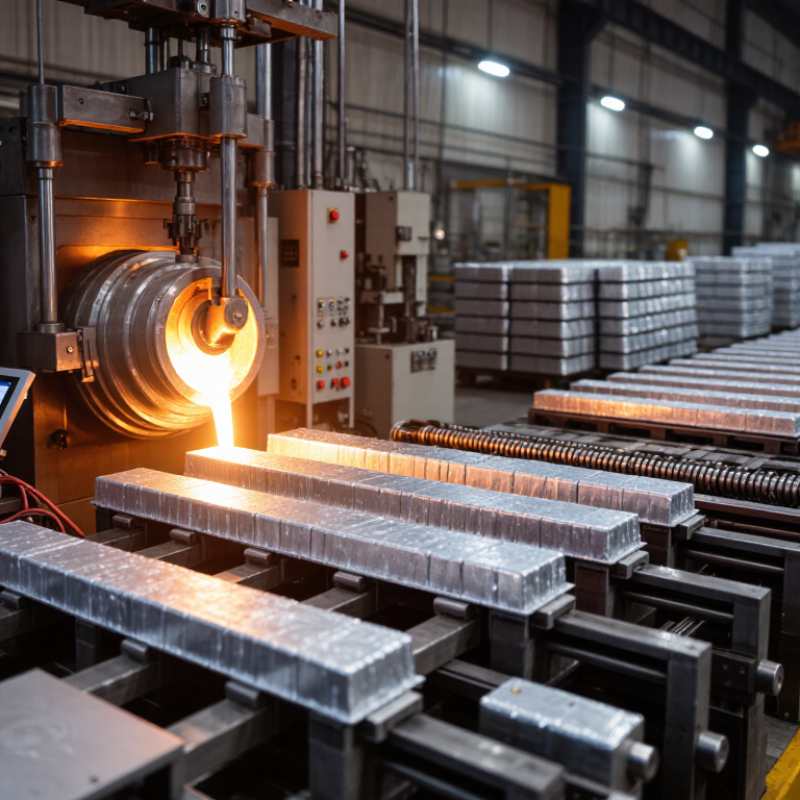
Table of Contents [Hide]
Define Your Tin Bar Production Requirements
Before choosing a tin bar casting machine, define the product and production target precisely. The USGS Mineral Commodity Summaries 2024 estimated global tin mine production at about 290,000 metric tons in 2023. This limited supply makes material efficiency important. Record annual output, daily operating hours, bar weight, dimensions, alloy composition, and acceptable surface defects. A factory producing 20-kilogram bars needs different tooling from one making 500-gram laboratory bars.
Calculate the required casting rate from actual orders, not optimistic forecasts. For example, producing 2,000 kilograms per day across ten hours requires at least 200 kilograms per hour. Add a practical margin for mold changes, cleaning, and short stoppages. Too much capacity can waste energy and floor space. Too little capacity creates overtime and unstable quality. Both errors are expensive.
Check whether the machine controls melt temperature, filling speed, cooling time, and demolding consistently. The International Tin Association identifies solder and chemical applications among major tin-use sectors, where composition and cleanliness matter. Ask for temperature records, sample bars, and test results. Inspect the bar surface after cooling. It should show limited shrinkage, cracking, or trapped air. This detail is often underestimated. Recycled feedstock may also vary more than expected. A simple trial run can reveal problems that a specification sheet hides. Do not trust every calculation; production data should challenge the original plan.