-
PRODUCTS & SERVICESOptimized cooling solutions for modern data centersProducts & ServicesOptimized cooling solutions for modern data centers
-
CAPABILITIESAdvancing liquid cooling technologiesCapabilitiesAdvancing liquid cooling technologies
-
TechnologiesLiquid Cooling InnovationTechnologiesLiquid Cooling Innovation
-
RESOURCESLatest News & InformationResourcesLatest News & Information
-
ABOUTOur history, leadership and ownershipAboutOur history, leadership and ownership
-
CONTACTFacility locations and global operational footprint




How to Choose the Right Carton Forming Machine?
Choosing the right Carton Forming machine can shape your entire packaging operation. It affects production speed, carton quality, labor needs, and long-term operating costs. A suitable machine should match your carton dimensions, board material, closure style, and expected output.
Carton Forming equipment is not selected by speed alone. A machine producing 40 cartons per minute may appear efficient, but it could waste material when carton blanks vary slightly. Experienced packaging teams inspect forming accuracy, changeover time, glue performance, and maintenance access. They also review sample cartons under real production conditions, not only supplier demonstrations.
Fit matters. The best decision begins with clear production data. Measure carton length, width, height, board thickness, and daily volume. Check whether the machine supports your existing conveyors, coding units, and case-packing equipment. Reliable manufacturers should provide technical drawings, trial results, safety information, and responsive service after installation.
No selection process is perfect. Some buyers focus heavily on purchase price and overlook training, spare parts, or future product changes. That mistake can become expensive when a simple format adjustment requires hours of downtime. A careful evaluation compares total ownership cost, machine flexibility, operator experience, and supplier credibility. This guide explains the practical questions to ask before investing, helping you choose a carton forming solution that performs consistently rather than merely looking impressive on paper.
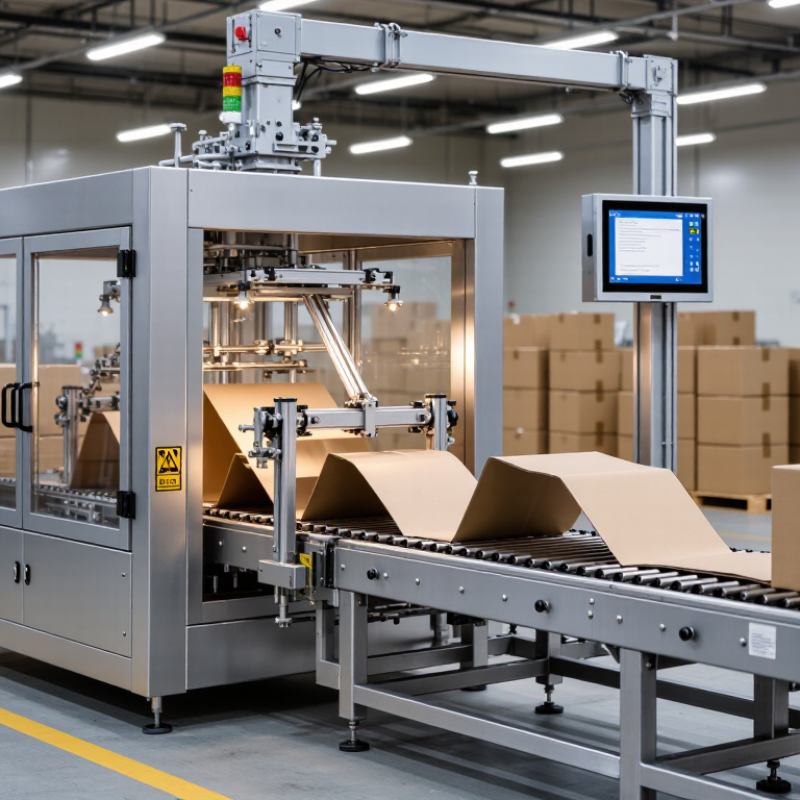
Table of Contents [Hide]
Define Your Carton Forming Requirements
How to Choose the Right Carton Forming Machine?
Define Your Carton Forming Requirements
Start with the carton, not the machine. Record its length, width, height, board grade, coating, and folding style. Measure both flat blanks and erected cartons. Small details matter. A glossy surface may reduce glue adhesion, while recycled board can change compression strength. Confirm whether cartons use hot-melt adhesive, cold glue, tuck flaps, or locking tabs.
Production targets need equal precision. Define cartons per minute, operating hours, batch sizes, and acceptable changeover time. PMMI’s 2023 State of the Industry Report valued U.S. packaging machinery shipments at $10.2 billion in 2022, an 11.9% annual increase. That growth reflects serious automation demand, but higher speed is not always better. A machine that runs quickly may waste materials during frequent adjustments. Test real blanks.
Ask operators to identify difficult cartons and recurring stoppages. Document available floor space, electrical supply, compressed air, guarding, and line integration needs. Include inspection points for open flaps, poor glue patterns, and damaged corners. An experienced supplier should run your actual cartons before final selection. Request measurable results, including speed, reject rate, and changeover duration. I still leave room for a wrong assumption. Requirements change after production begins. Recheck them against real samples, seasonal volumes, and future carton designs.