-
PRODUCTS & SERVICESOptimized cooling solutions for modern data centersProducts & ServicesOptimized cooling solutions for modern data centers
-
CAPABILITIESAdvancing liquid cooling technologiesCapabilitiesAdvancing liquid cooling technologies
-
TechnologiesLiquid Cooling InnovationTechnologiesLiquid Cooling Innovation
-
RESOURCESLatest News & InformationResourcesLatest News & Information
-
ABOUTOur history, leadership and ownershipAboutOur history, leadership and ownership
-
CONTACTFacility locations and global operational footprint







How to Choose a Control Room Console Desk?
Choosing a Control Room Console Desk is not just a matter of appearance or available floor space. The desk must support the people, screens, and equipment used during real operating shifts. A useful starting point is to map each operator’s tasks, then measure monitor sizes, keyboard reach, chair movement, and equipment clearances. Details matter. A monitor arm that blocks a sightline or a cable bundle crossing a service area can create daily friction.
Comfort matters, too. Operators may remain seated for long periods, so check legroom, working height, reach zones, and glare from nearby windows or lighting. If staff alternate between sitting and standing, confirm that the adjustment range suits the actual users and equipment. No desk fits every room. That is worth remembering. A layout that works for one team may feel cramped when staffing, technology, or procedures change.
Before selecting a model, compare materials, load capacity, cable-management options, access panels, and available expansion space. Use equipment specifications rather than estimates, and ask operators to review a proposed layout with full-size measurements or a mock-up. Manufacturer guidance can clarify installation and maintenance requirements, but it cannot replace testing the arrangement in the room. Some compromises may remain, especially in older facilities. Naming them early helps teams make a more dependable choice and avoid costly changes later.
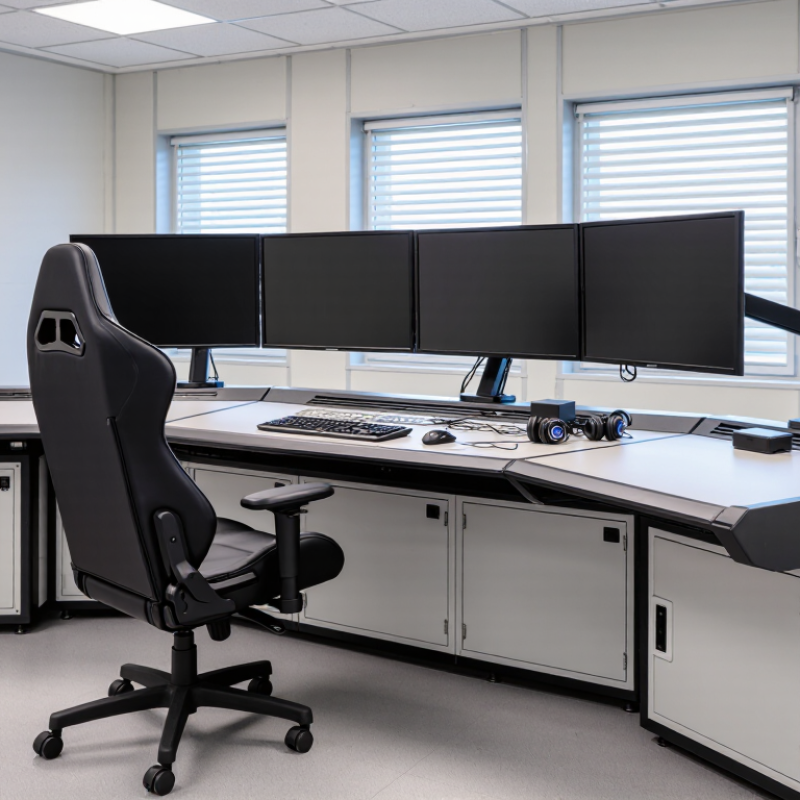
Table of Contents [Hide]
Define Control Tasks and Apply ISO 11064 Control-Room Design Principles
How to Choose a Control Room Console Desk?
Define Control Tasks and Apply ISO 11064 Control-Room Design Principles
Start by listing the work operators actually do: monitor displays, respond to alarms, make calls, and coordinate handovers. Note how often each task occurs and what information must stay visible. ISO 11064 emphasizes designing around people, tasks, and the control-room environment. Use that thinking to set console height, screen positions, and clear working space—not just to fit equipment into a room. An operator who watches a process overview while entering data needs a different layout from someone focused on a single alarm panel. Small details matter.
Check sightlines from both seated and standing positions. Place frequently used controls within comfortable reach, and leave room for chairs, cables, and maintenance access. Test a mock-up with operators during realistic tasks. Ask where they lean, turn, or lose sight of a screen. Their habits may challenge the plan. That assumption may be wrong. ISO 11064 offers useful design guidance, but it does not replace task-specific evaluation or operator feedback.
Tips: Mark monitor edges with tape on a wall before ordering equipment. Try the layout during a busy shift, not only during a quiet walkthrough. Record discomfort and awkward reaches; small issues can become routine.