-
PRODUCTS & SERVICESOptimized cooling solutions for modern data centersProducts & ServicesOptimized cooling solutions for modern data centers
-
CAPABILITIESAdvancing liquid cooling technologiesCapabilitiesAdvancing liquid cooling technologies
-
TechnologiesLiquid Cooling InnovationTechnologiesLiquid Cooling Innovation
-
RESOURCESLatest News & InformationResourcesLatest News & Information
-
ABOUTOur history, leadership and ownershipAboutOur history, leadership and ownership
-
CONTACTFacility locations and global operational footprint





How to Choose a DTH Boring Machine?
Choosing the right Dth Boring Machine begins with the ground, not the brochure. Rocky formations, fractured layers, and changing soil conditions demand different drilling responses. A machine that performs well in dry granite may struggle in wet, unstable ground. That difference can affect penetration speed, bit wear, fuel use, and project safety.
Define the required hole diameter and depth before comparing models. Then examine torque, impact frequency, compressor demand, rod length, and crawler stability. A compact rig may fit a narrow quarry bench, while a larger machine offers stronger thrust for deep foundation work. Consider transportation too. If the machine cannot reach the worksite safely, its rated power has little practical value.
Real experience matters here. Ask suppliers for maintenance records, field references, and test results from similar formations. Inspect the mast, hydraulic lines, chuck, and dust-control system before purchase. Operator visibility and control layout deserve equal attention. Small design details can reduce fatigue during long shifts. No selection method is flawless. Rock conditions can change within a few meters, and published performance figures may reflect ideal testing. Build a margin into the decision. Compare total ownership cost, spare-parts access, service response, training, and warranty terms. A reliable Dth Boring Machine should deliver steady production, manageable maintenance, and predictable results—not merely impressive specifications.
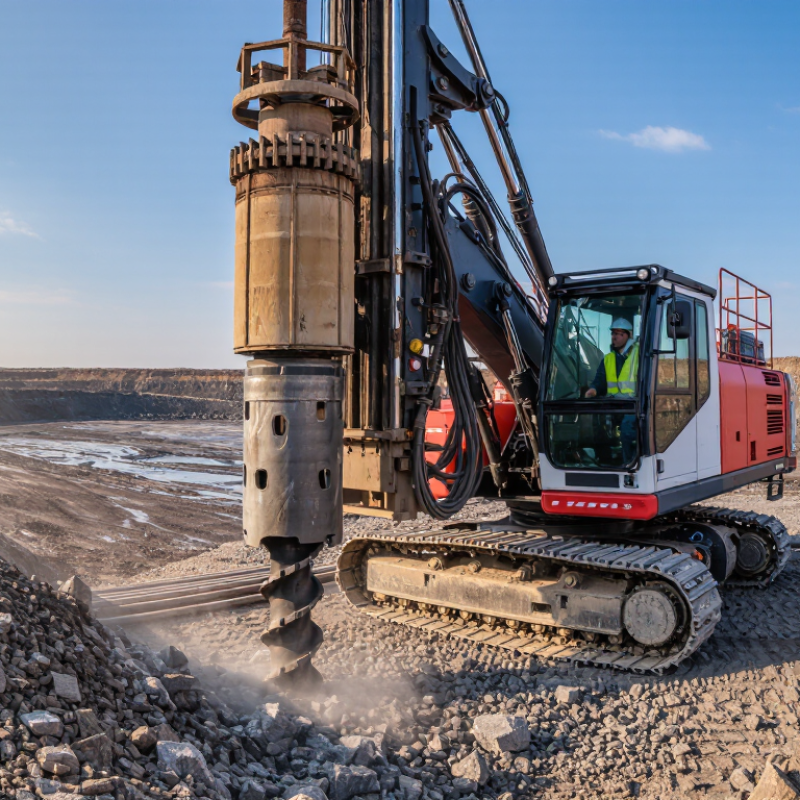
Table of Contents [Hide]
Define the Ground Conditions and Drilling Requirements
How to Choose a DTH Boring Machine?
Define the Ground Conditions and Drilling Requirements
Choosing a DTH boring machine starts with the ground, not the catalogue. Soil reports help, but field exposure often reveals the harder truth. Record soil layers, rock strength, fractures, groundwater, and loose overburden before selecting equipment. A short test hole can expose collapsing walls or unexpected clay. That information is more valuable than a general capacity chart. Keep it specific.
Match the machine to the required hole diameter, depth, alignment, and production rate. Hard, massive rock usually demands stable rotation, adequate air pressure, and a hammer suited to the hole size. Fractured rock may need casing support to prevent blockage and wall failure. In wet formations, check compressor performance and water management. Excessive air can carry fines into nearby areas and reduce visibility around the collar. Small details matter. Also consider access width, ground bearing capacity, mast clearance, and noise limits.
Ask operators to inspect rods, threads, seals, and the flushing system daily. Measure penetration rate and air pressure during the first shift, then compare results with the drilling plan. If performance drops, do not blame the hammer immediately. Worn bits, poor alignment, or unstable ground may be responsible.
I have seen production estimates fail because groundwater was treated as a minor issue. That assumption deserves challenge. A cautious selection may feel slower, yet it can reduce stuck tooling, downtime, and unnecessary hole enlargement.