-
PRODUCTS & SERVICESOptimized cooling solutions for modern data centersProducts & ServicesOptimized cooling solutions for modern data centers
-
CAPABILITIESAdvancing liquid cooling technologiesCapabilitiesAdvancing liquid cooling technologies
-
TechnologiesLiquid Cooling InnovationTechnologiesLiquid Cooling Innovation
-
RESOURCESLatest News & InformationResourcesLatest News & Information
-
ABOUTOur history, leadership and ownershipAboutOur history, leadership and ownership
-
CONTACTFacility locations and global operational footprint







How to Choose the Right Exothermic Welding Powder?
Choosing the right Exothermic Welding Powder begins with the connection, not the price per cartridge. Conductor material, size, mold design, and required connection geometry all affect the weld. A copper-to-copper joint in a dry substation differs from a copper-to-steel bond buried in damp soil. Small mismatch, poor fit. The result may look sound while still requiring closer inspection.
Reliable selection should draw on qualified engineering references, not supplier claims alone. IEEE Std 837-2014 addresses qualification of permanent connections used in substation grounding, while UL 467 covers grounding and bonding equipment. These documents help define performance expectations, but they do not replace the product maker’s instructions or project-specific review. Industry market reports can describe demand and product trends; they cannot confirm that a particular powder charge suits a specific mold and conductor combination. That distinction matters.
Before choosing a charge, verify the conductor metals, cross-sections, mold identification, and connection type against the manufacturer’s current selection chart. Check packaging condition and storage guidance, too. Moisture or damaged packaging can undermine consistency. For critical grounding networks, request documented test results and confirm that the specified connection has been qualified for its intended use. Not every catalog listing is equally clear. I would pause if compatibility details are missing, rather than infer them from a product photo. The sections below explain how to compare powder specifications, application requirements, and supplier evidence, so the final choice is technically defensible and practical in the field.
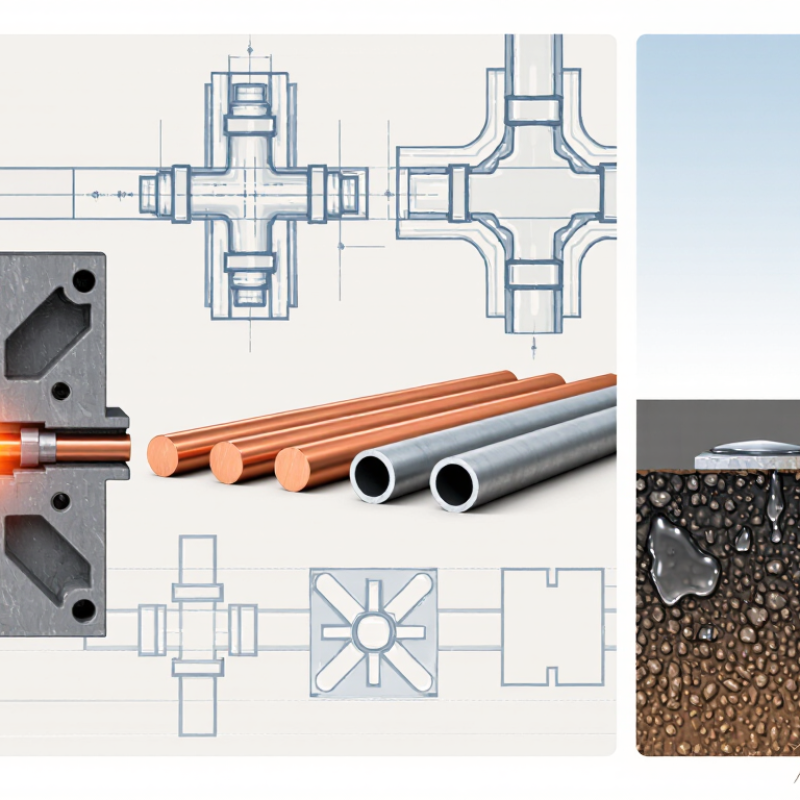
Table of Contents [Hide]
Identify the Connected Metals and Conductor Materials
Choosing exothermic welding powder starts with identifying both metals in the connection. Copper-to-copper, copper-to-steel, and copper-to-ground-rod joints may require different powder formulations. A similar appearance does not mean the metals are interchangeable. Check the material specification, not just the surface color.
Conductor material and size matter too. Note whether the conductor is solid or stranded, its cross-sectional area, and the shape of the joint. A thick cable and a small grounding lead do not heat or fit the same way. Aluminum needs particular care because its oxide layer affects bonding; use only a process specifically approved for that combination. Details matter.
Before selecting a charge, compare the metals and conductor dimensions with the powder and mold instructions. Confirm that the mold fits the conductor securely and that contact surfaces are clean and dry. Even a little contamination can weaken the connection. If the metal grade is uncertain, pause and verify it with the project specification or a qualified technician. Guessing can seem faster, but it is a poor basis for a permanent electrical joint.