-
PRODUCTS & SERVICESOptimized cooling solutions for modern data centersProducts & ServicesOptimized cooling solutions for modern data centers
-
CAPABILITIESAdvancing liquid cooling technologiesCapabilitiesAdvancing liquid cooling technologies
-
TechnologiesLiquid Cooling InnovationTechnologiesLiquid Cooling Innovation
-
RESOURCESLatest News & InformationResourcesLatest News & Information
-
ABOUTOur history, leadership and ownershipAboutOur history, leadership and ownership
-
CONTACTFacility locations and global operational footprint







7 Tips for Choosing Ti 6Al 4V Grade 5 Titanium Bar
Choosing a Ti-6Al-4V (Grade 5) Titanium Bar takes more than checking the grade on a certificate. The right choice depends on the part’s loads, temperature, environment, and manufacturing route. A bar destined for a machined aircraft fitting may need different dimensions and inspection records from one used in a marine component. Small details matter.
Matthew J. Donachie, author of Titanium: A Technical Guide, is a recognized authority on titanium alloys. A practical paraphrase of his materials guidance is: “Match the alloy’s properties to the part’s actual service conditions.” Treat that as a selection principle, not a verified verbatim quotation. Grade 5 is valued for its strength and useful balance of properties, but the label alone cannot confirm suitability. Check the applicable specification, mill test certificate, heat treatment, product form, and dimensional tolerances. Ask whether the bar is annealed or supplied in another condition. Verify that the supplier’s documentation matches the order. Don’t skip this.
Surface condition deserves a close look. Under bright inspection light, scratches, seams, or uneven discoloration may prompt questions about handling or processing. They do not prove a defect by themselves. Request clarification and appropriate inspection before accepting material for critical work. One easy shortcut is choosing the lowest price. It can leave important questions unanswered. These seven tips will help buyers compare suppliers, confirm traceability, and select bar stock with fewer surprises. Even careful checks have limits; involve a qualified materials engineer when the application is demanding.
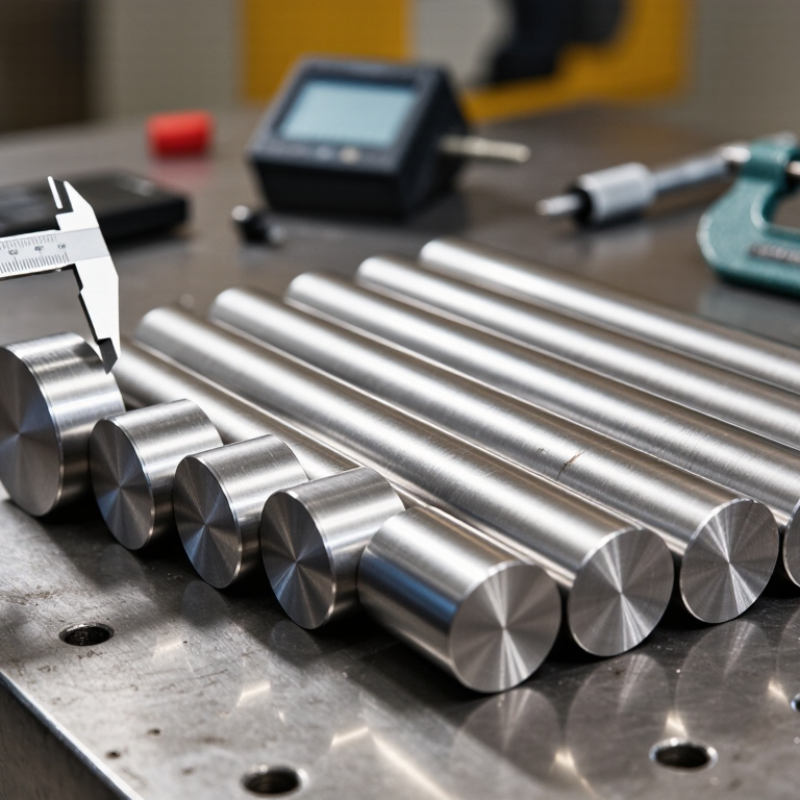
Table of Contents [Hide]
Understand the Composition and Properties of Ti-6Al-4V Grade 5
Ti-6Al-4V Grade 5 is an alpha-beta titanium alloy, typically containing about 6% aluminum and 4% vanadium, with titanium making up most of the balance. Exact composition limits depend on the applicable specification, so check the material certificate rather than relying on the grade name alone. Aluminum helps strengthen the alloy, while vanadium supports its balanced strength and ductility. It offers a high strength-to-weight ratio and good corrosion resistance. The details matter.
Tip: Confirm the required specification and verify the mill certificate.
Tip: Match the bar’s diameter and length to your design, allowing for machining stock.
Tip: Ask about the supplied condition, such as annealed or heat-treated material, because strength and workability can vary.
Tip: Inspect the surface for visible seams, pits, or handling damage before purchase.
Tip: Check that the test documentation covers the properties your application needs, not just chemical composition.
Tip: Consider machining requirements; Grade 5 can be challenging to cut, and tooling, heat, and feed rates deserve attention.
Tip: Review traceability and dimensional tolerances with the supplier. A polished surface can look reassuring, but appearance alone cannot confirm internal quality. I would not assume every bar behaves identically; processing history and condition can make a practical difference.