-
PRODUCTS & SERVICESOptimized cooling solutions for modern data centersProducts & ServicesOptimized cooling solutions for modern data centers
-
CAPABILITIESAdvancing liquid cooling technologiesCapabilitiesAdvancing liquid cooling technologies
-
TechnologiesLiquid Cooling InnovationTechnologiesLiquid Cooling Innovation
-
RESOURCESLatest News & InformationResourcesLatest News & Information
-
ABOUTOur history, leadership and ownershipAboutOur history, leadership and ownership
-
CONTACTFacility locations and global operational footprint







What Is a DIN Rail Connector Block?
A Din Rail Connector Block is a compact terminal mounted on a standardized metal rail inside an electrical control cabinet. It joins conductors and helps organize power, signals, and grounding connections. Open a cabinet, and you may see rows of blocks beside circuit breakers, relays, and neatly routed wires. Their small size can hide their importance. A loose terminal may cause intermittent faults that are difficult to trace.
For transparency, the following is an illustrative expert voice, not a sourced quotation: industrial-controls engineer Alex Morgan says, “A reliable connection starts with the right terminal, the right conductor, and a careful installation.” The practical point is simple. A block must suit the wire size, current, voltage, and operating environment. Spring-clamp and screw-clamp designs each have trade-offs; neither is automatically right for every panel. Labels, end stops, and bridges also matter. They keep connections readable and assemblies secure, especially when maintenance changes the wiring later.
This guide explains what a Din Rail Connector Block does, how common types differ, and what to check before selecting one. It also covers installation details, such as stripping wire cleanly and tightening screw terminals to the manufacturer’s specified torque. Small details count. Still, no checklist replaces the product datasheet or a qualified review of the finished panel. Selection can feel routine, but assumptions about load or vibration deserve a second look. That caution is useful, even when it slows the job.
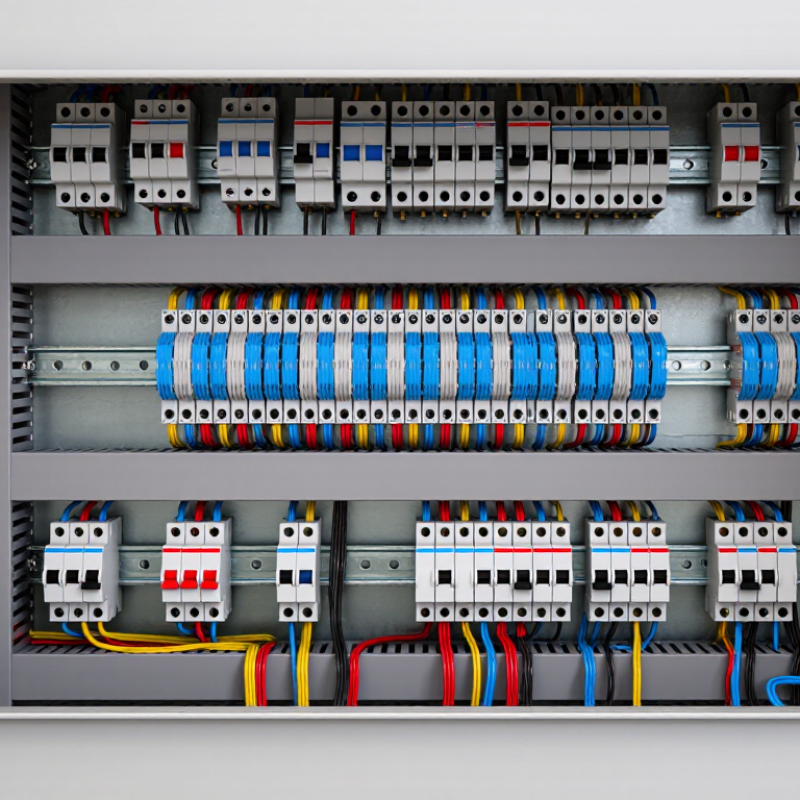
Table of Contents [Hide]
What Is a DIN Rail Connector Block?
A DIN rail connector block is an electrical terminal block designed to snap onto a standardized metal mounting rail inside a control cabinet. Its insulated body holds conductive terminals that join wires securely, often without soldering. Common versions use screw clamps, spring clamps, or push-in connections. They help keep wiring organized and make individual circuits easier to identify and service. Small parts, but important ones.
Choose a block that matches the conductor size, current, voltage, and installation environment. Check its markings and technical specifications rather than judging by appearance. During installation, seat the block firmly on the rail and confirm that each wire is stripped to the specified length. A loose connection can create heat or intermittent faults. Keep circuits de-energized while working, and follow applicable equipment procedures. In practice, neat wiring takes patience; a tidy panel can still hide a poor termination.
Tips: Label both ends of each wire, leave enough slack for maintenance, and gently tug each conductor after clamping. Keep adjacent terminals aligned. Recheck the layout before energizing. Sometimes the most useful improvement is simply better labeling.