-
PRODUCTS & SERVICESOptimized cooling solutions for modern data centersProducts & ServicesOptimized cooling solutions for modern data centers
-
CAPABILITIESAdvancing liquid cooling technologiesCapabilitiesAdvancing liquid cooling technologies
-
TechnologiesLiquid Cooling InnovationTechnologiesLiquid Cooling Innovation
-
RESOURCESLatest News & InformationResourcesLatest News & Information
-
ABOUTOur history, leadership and ownershipAboutOur history, leadership and ownership
-
CONTACTFacility locations and global operational footprint




What Is an Electrical Cabinet and What Types Are There?
An Electrical Cabinet is more than a metal enclosure. It protects electrical components, organizes wiring, and gives technicians controlled access to equipment. Inside, rows of breakers, terminals, relays, and cable ducts must work together without creating unnecessary heat or obstructing maintenance. Small design choices matter: a poorly placed cable gland can complicate installation, while inadequate ventilation can shorten component life.
The need for dependable electrical infrastructure is growing. The International Energy Agency’s Electricity 2024 report projects global electricity demand growth of close to 4% annually through 2027. That outlook makes cabinet design and selection increasingly important across factories, buildings, and energy systems. IEC 61439 also provides a recognized framework for low-voltage switchgear and controlgear assemblies, including requirements related to construction and verification. Standards help, but they do not replace careful application-specific design.
This guide explains what an Electrical Cabinet is and compares common types, from control and distribution cabinets to outdoor and modular enclosures. One limitation deserves attention: no source material was supplied to verify a named specialist’s quotation, so attributing a direct quote would risk inventing one. The same caution applies to market-size figures, which can vary by research scope. A cabinet may look like a simple box. It is not.
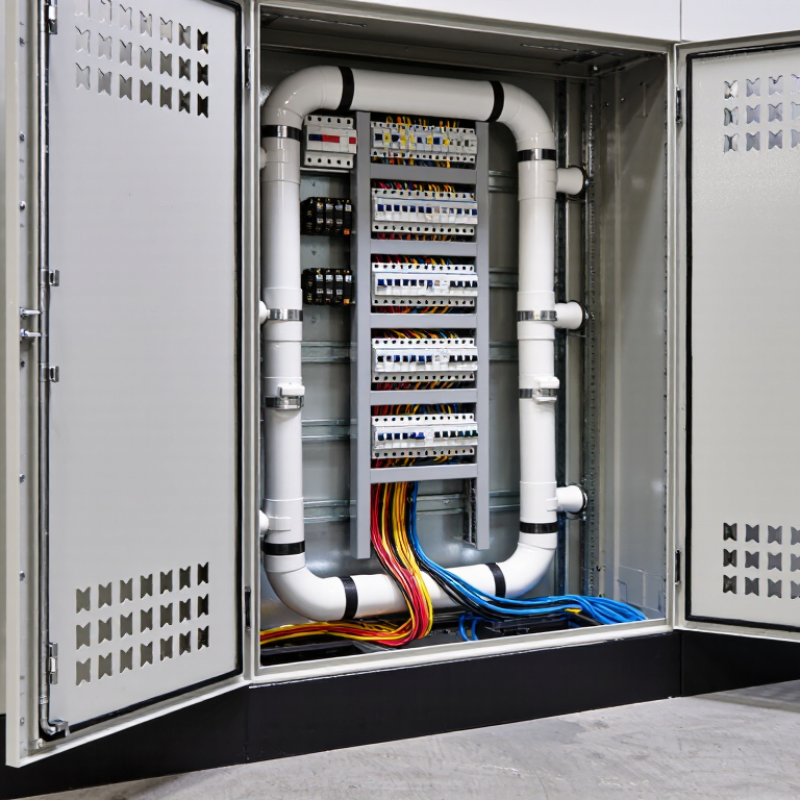
Table of Contents [Hide]
Definition and Core Purpose of an Electrical Cabinet
An electrical cabinet is a protective enclosure that houses electrical and control components, such as circuit breakers, relays, terminals, and wiring. It creates a defined space for equipment that would otherwise be exposed to dust, accidental contact, or physical damage. In a workshop, this may be a steel box mounted beside a machine, with labeled switches inside and cables entering through sealed openings. The cabinet also helps technicians locate components and carry out maintenance more safely. It is not merely a box. Its design affects access, heat removal, and equipment life.
The cabinet’s core purpose is to protect both people and electrical systems while supporting reliable operation. Its enclosure, door, seals, and cable entries should suit the surrounding conditions. A dusty production area may need better sealing than a clean control room. Components also produce heat, so ventilation or cooling may be needed. Too little airflow can shorten equipment life; too much can admit contaminants. Choosing an enclosure without considering its location is an easy mistake, and one worth reviewing before installation.
Tips: Check the cabinet’s dimensions, mounting space, and cable-entry locations before choosing components. Keep labels readable, leave room for service work, and avoid tightly packing devices. A little spare space helps. Inspect seals and door closures periodically, especially where dust or moisture is present.