What is Energy Management and How Can It Benefit Your Business?
Energy Management is a crucial aspect of modern business operations. It involves strategies and practices aimed at optimizing energy use. By effectively managing energy, companies can reduce costs, enhance productivity, and improve their environmental impact.
Implementing Energy Management can be a game-changer for businesses. It helps identify areas where energy is wasted. Many businesses overlook simple solutions that can lead to significant savings. For instance, upgrading equipment or improving insulation can lower energy costs.
Companies often underestimate the importance of consistent monitoring. Regular assessment of energy consumption can reveal valuable insights. It’s not just about cutting expenses; it’s also about sustainability and corporate responsibility. Investing in Energy Management signals a commitment to a greener future. Embracing this approach can enhance a company’s reputation, drawing in eco-conscious consumers. Without proper focus on energy, businesses risk being left behind as the market evolves.
What is Energy Management?
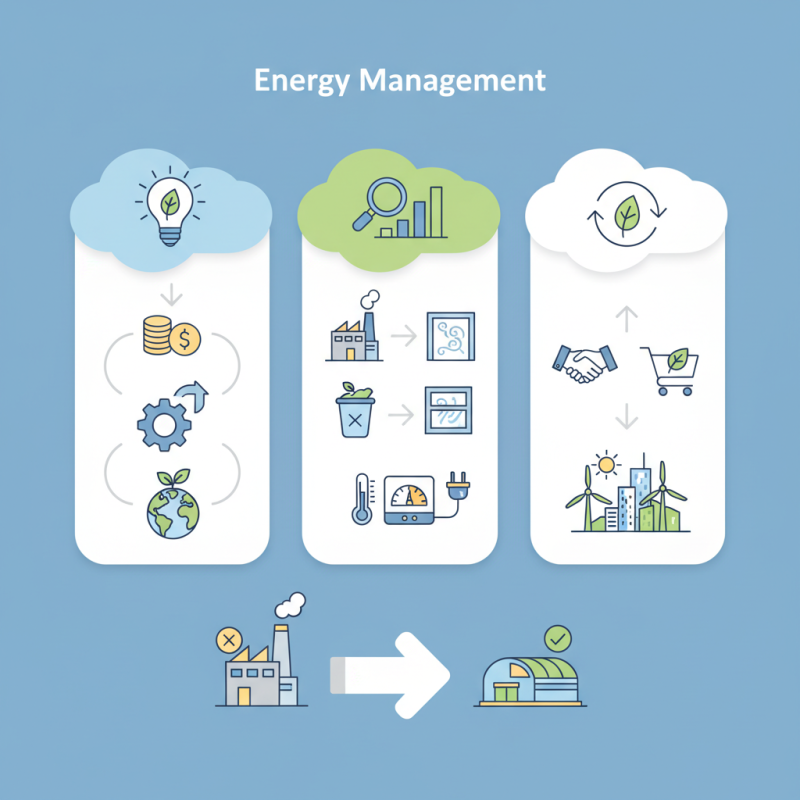
Energy management is the systematic approach to monitoring, controlling, and conserving energy in a business. Effective energy management can help businesses reduce costs, enhance sustainability, and improve operational efficiency. According to the U.S. Department of Energy, companies can save 10% to 30% on energy costs by implementing energy-efficient practices. The goal is not just to save money, but also to create an environmentally responsible workplace.
A key component of energy management is energy audits. These assessments identify areas where energy is wasted and suggest improvements. For example, LED lighting can replace traditional bulbs, leading to significant savings. Moreover, regular monitoring of energy use can reveal patterns and highlight inefficiencies. It's crucial to involve all employees in these efforts to create a culture of energy consciousness.
**Tip:** Start small. Implementing changes like installing programmable thermostats can lead to noticeable savings without a large upfront cost.
Data also shows that 70% of energy consumption in buildings is attributed to heating, cooling, and lighting. Addressing these areas with smart technologies can drastically cut energy use. However, it’s important to reflect on how technology and habits can both be barriers and solutions. Emphasizing employee training on energy-efficient practices can create long-term benefits for the entire organization.
**Tip:** Encourage feedback on energy use from your staff. They may offer insights that can lead to improved practices.
The Importance of Energy Management for Businesses
Energy management is vital for businesses today. With rising energy costs, managing usage is essential. Effective energy management can lead to significant cost savings. Simple changes, such as better insulation or efficient lighting, reduce waste. An energy audit can also identify key areas for improvement.
Understanding energy consumption patterns is crucial. Many businesses overlook peak usage times. Recognizing these periods helps in strategizing usage. Informed decisions lead to better energy pricing and reduced bills. It also fosters a culture of awareness among employees. Engaged teams often contribute valuable insights into energy-saving methods.
Adopting a systematic approach to energy management isn't easy. Some may resist change due to perceived costs or complexity. However, the benefits can outweigh initial hurdles. Improved energy efficiency elevates a company's reputation. It sends a strong message about sustainability. This can attract environmentally conscious clients and partners. Balancing operational needs with smart energy practices is a continuous journey.
Key Components of an Effective Energy Management Strategy
An effective energy management strategy hinges on several key components. First, energy audits play a crucial role in identifying areas for improvement. These audits assess current usage and efficiency levels, revealing opportunities for savings. Regular evaluations can help businesses adjust their practices effectively.
Another essential component is monitoring energy performance continuously. Establishing key performance indicators (KPIs) allows organizations to track progress over time. Real-time data can help identify issues before they become costly. Adopting energy-efficient technologies is also vital. Upgrading equipment may involve upfront costs but can lead to significant long-term savings.
Employee engagement should not be overlooked. Training staff to understand energy management creates a culture of conservation. People’s habits can dramatically impact energy consumption. However, it’s crucial to remain flexible. Not every initiative will yield the expected results. Some strategies may require adjustments based on changing circumstances. Balancing innovation with practicality is key.
Benefits of Implementing Energy Management Practices
Energy management involves strategies to optimize energy consumption within a business. Implementing effective energy management practices can lead to significant benefits. One key advantage is cost reduction. By monitoring energy usage, businesses can identify areas where waste occurs. This often results in lower utility bills, leaving more funds for other essential operations.
Sustainability is another crucial benefit. By improving energy efficiency, businesses can lessen their environmental impact. This alignment with eco-friendly practices enhances corporate responsibility. Additionally, customers increasingly favor businesses committed to sustainability, leading to improved brand loyalty.
However, the transition to energy management practices may not be smooth. Some companies struggle with employee training and buy-in. Ensuring that staff understands the importance of energy conservation is essential. Regular revisions of energy policies and practices can aid in fostering a culture of sustainability. This flexibility allows for continuous improvement, even in challenging circumstances.
What is Energy Management and How Can It Benefit Your Business?
| Benefit | Description | Potential Savings (%) | Example Implementation |
| Cost Reduction | Implementing energy-efficient practices reduces utility bills and operating costs. | 15-30% | Upgrading to LED lighting |
| Sustainability | Reduces carbon footprint and demonstrates corporate social responsibility. | N/A | Implementing renewable energy sources |
| Operational Efficiency | Enhanced operational processes through better data management and automation. | 10-20% | Energy monitoring systems |
| Regulatory Compliance | Meeting energy regulations to avoid penalties and enhance market reputation. | N/A | Regular energy audits |
| Employee Engagement | Promotes a culture of sustainability and engages employees in energy-saving initiatives. | N/A | Training programs on energy conservation |
How to Measure and Monitor Energy Management Success
Measuring and monitoring energy management success can seem daunting. However, it’s essential for businesses to understand their energy usage and identify efficiencies. According to a report by the International Energy Agency, firms that implement energy management systems can achieve reductions in energy consumption of 10% to 30%.
Implementing metrics will help illustrate energy performance. Common techniques include real-time energy monitoring tools and benchmarking against industry standards. A recent study highlights that companies actively measuring energy efficiency realize better savings than those who don’t. Data shows that effective energy tracking can lead to a 20% decrease in operational costs over time.
Reflection on practices is also crucial. Businesses may find that initial plans don’t yield desired results. Continuous reassessment is needed. It’s not just about adopting technology. Employee engagement in energy-saving initiatives can enhance overall success. When all staff members are involved, energy-saving habits can become ingrained in the company culture, driving even higher savings.