-
PRODUCTS & SERVICESOptimized cooling solutions for modern data centersProducts & ServicesOptimized cooling solutions for modern data centers
-
CAPABILITIESAdvancing liquid cooling technologiesCapabilitiesAdvancing liquid cooling technologies
-
TechnologiesLiquid Cooling InnovationTechnologiesLiquid Cooling Innovation
-
RESOURCESLatest News & InformationResourcesLatest News & Information
-
ABOUTOur history, leadership and ownershipAboutOur history, leadership and ownership
-
CONTACTFacility locations and global operational footprint




What Is Galvanized Welded Pipe and What Is It Used For?
Galvanized Welded Pipe is a practical steel product made by forming and welding steel strip, then applying a protective zinc coating. This process creates a recognizable silver surface and improves resistance to moisture, scratches, and outdoor exposure. The welded seam remains important, however. Its quality affects pressure performance, service life, and inspection requirements.
Industry demand reflects steel’s continuing importance. The World Steel Association reported approximately 1.89 billion tonnes of crude steel production worldwide in 2023. That scale supports extensive use of coated steel in construction, infrastructure, agriculture, and manufacturing. The American Galvanizers Association also explains that zinc coatings protect steel through barrier protection and sacrificial action. In simple terms, the zinc can corrode before the underlying steel does.
Galvanized Welded Pipe commonly serves in fences, handrails, scaffolding, greenhouse frames, irrigation systems, and selected water applications. ASTM A53 and related standards help define dimensions, materials, and testing for certain pipe products. ISO 1461 provides requirements for hot-dip galvanized coatings on fabricated iron and steel articles. These standards should not be treated as interchangeable.
A useful detail is often overlooked. A bright surface does not automatically prove correct coating thickness. Buyers should review certificates, wall thickness, seam quality, zinc-coating measurements, and intended service conditions. Pipes carrying aggressive chemicals or high-temperature fluids may require another material. Market reports describe broad trends, but they cannot replace engineering judgment.
The right choice depends on pressure, temperature, water chemistry, installation environment, and maintenance access. Galvanized steel is durable. It is not universal. This guide examines what Galvanized Welded Pipe is, how it is produced, and where it performs reliably.
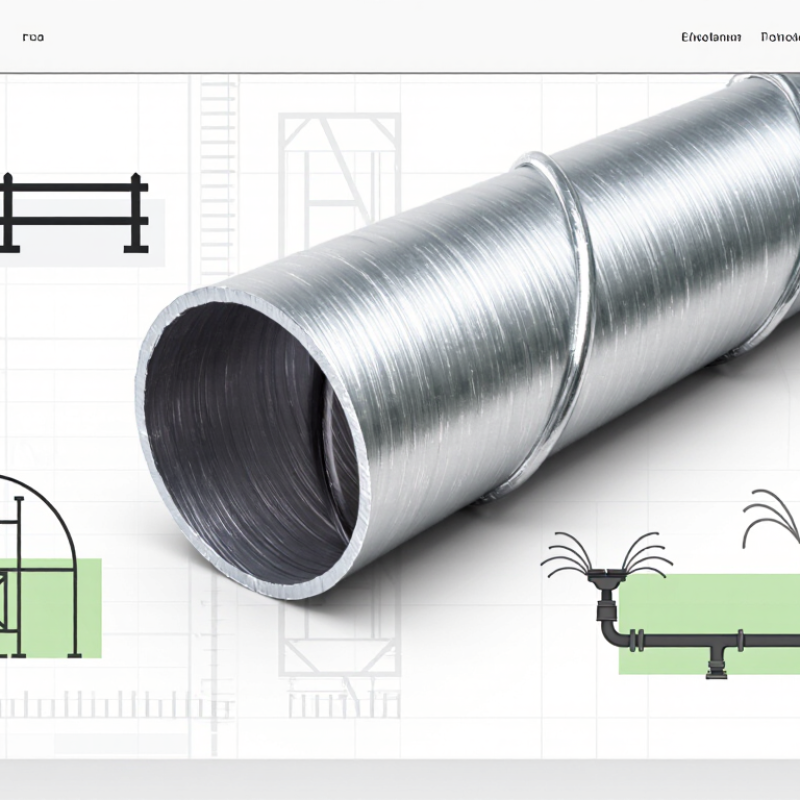
Table of Contents [Hide]
Definition and Basic Characteristics of Galvanized Welded Pipe
Galvanized welded pipe is steel pipe formed from a flat strip and joined along one seam. A zinc coating then protects the steel from moisture and oxygen. Manufacturers may apply zinc before or after welding. Hot-dip galvanizing usually creates a thicker, more durable coating.
Its basic characteristics are a visible weld line, metallic zinc surface, and moderate corrosion resistance. The coating can appear bright, dull, or slightly uneven. That difference does not always indicate poor quality.
Wall thickness, outside diameter, coating weight, and weld integrity determine performance. In practical inspection, check the ends and seam carefully. Cutting, threading, or impact can expose bare steel.
Galvanized welded pipe is commonly used for water lines, fences, greenhouse frames, handrails, and light structural supports. It is useful where installation needs affordable steel with added surface protection.
However, it is not suitable for every environment. Strong acids, high temperatures, and constantly trapped moisture can shorten its service life. Potable water applications also require suitable specifications and local approval.
A common mistake is treating galvanizing as permanent protection. It is not. Good drainage, proper storage, and repaired damaged areas still matter.