-
PRODUCTS & SERVICESOptimized cooling solutions for modern data centersProducts & ServicesOptimized cooling solutions for modern data centers
-
CAPABILITIESAdvancing liquid cooling technologiesCapabilitiesAdvancing liquid cooling technologies
-
TechnologiesLiquid Cooling InnovationTechnologiesLiquid Cooling Innovation
-
RESOURCESLatest News & InformationResourcesLatest News & Information
-
ABOUTOur history, leadership and ownershipAboutOur history, leadership and ownership
-
CONTACTFacility locations and global operational footprint




How to Choose a Dishwasher Tub Assembly Line?
Choosing a Dishwasher Tub Assembly Line is a practical engineering decision, not just a matter of comparing machine prices. The right setup must match the tub material, product dimensions, target output, and available factory space. A stainless-steel tub may require different forming and joining processes than a polymer tub. Small details matter.
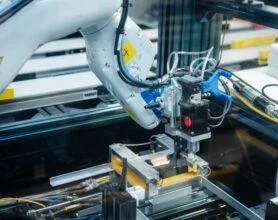
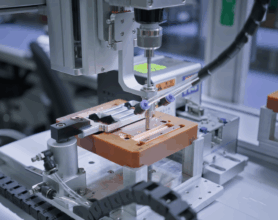
Before evaluating suppliers, map the production route from material loading to finished-tub inspection. Note where operators handle parts, where fixtures are changed, and where defects are most likely to appear. Ask for cycle-time data under conditions similar to your own products, rather than relying only on a headline capacity figure. A line rated for high output may struggle when models change frequently or incoming parts vary. That difference can be costly.
A dependable supplier should explain the equipment, controls, tooling, safety features, and maintenance requirements in clear terms. Request examples of comparable installations and verify what each performance claim includes. For instance, does the quoted cycle time include loading, inspection, and routine pauses? Can the line accommodate future tub sizes without major reconstruction? These questions reveal more than a polished presentation.
There is no universal configuration. A compact factory with limited floor space may value flexible stations, while a high-volume plant may prioritize stable automation and repeatable quality. Still, projections are imperfect; product plans change, and early estimates can miss real-world variation. Use them as a starting point, then validate assumptions with production data and supplier trials. This guide outlines the key criteria for selecting a Dishwasher Tub Assembly Line that fits both current needs and realistic growth plans.
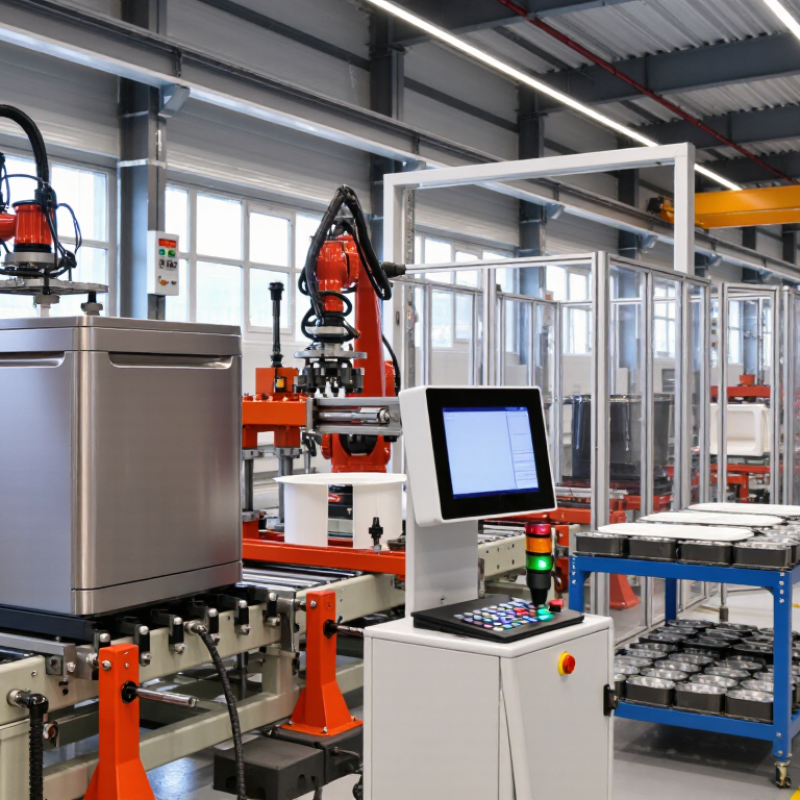
Table of Contents [Hide]
Define Production Requirements for a Dishwasher Tub Assembly Line
Before comparing equipment, define what the dishwasher tub assembly line must produce. Set a target in finished tubs per hour, then check whether it matches actual shift patterns and planned demand. Specify tub dimensions, material thickness, surface finish, and the number of models. A line handling one tub size may need different tooling from one switching between several sizes each shift. Leave room for changeovers. They take time.
Clarify where the line begins and ends. Will it form panels, join the tub, and check for leaks, or receive preformed parts? List each operation and its expected cycle time. Pay close attention to bottlenecks such as corner joining or inspection. Define measurable quality limits, including tub dimensions, joint consistency, and acceptable leakage. A small dimensional variation can complicate later assembly. Do not rely on general terms like “high quality”; record inspection methods and pass criteria.
Also document the available floor space, power, compressed air, staffing, and material flow. A detailed layout can reveal whether large panels will cross walkways or wait between stations. Include changeover time and maintenance access in capacity estimates. Early figures are often optimistic. Review them against real shift data, and revise the requirements before requesting line proposals.