-
PRODUCTS & SERVICESOptimized cooling solutions for modern data centersProducts & ServicesOptimized cooling solutions for modern data centers
-
CAPABILITIESAdvancing liquid cooling technologiesCapabilitiesAdvancing liquid cooling technologies
-
TechnologiesLiquid Cooling InnovationTechnologiesLiquid Cooling Innovation
-
RESOURCESLatest News & InformationResourcesLatest News & Information
-
ABOUTOur history, leadership and ownershipAboutOur history, leadership and ownership
-
CONTACTFacility locations and global operational footprint




How to Choose the Right Industrial Adhesive?
Choosing the right Industrial Adhesive begins with understanding the joint, not browsing the widest product catalog. In real production, a bond may face vibration, heat, moisture, chemicals, or repeated impact. A label such as “high strength” rarely explains the whole story. The best choice depends on substrates, surface energy, gap size, curing time, and expected service life. Small details matter. A dusty steel panel and a freshly prepared one can produce completely different results.
Experienced engineers usually start with the application’s failure risks. Will the parts peel, shear, flex, or separate under thermal expansion? These questions guide the choice between epoxy, acrylic, polyurethane, cyanoacrylate, silicone, or another chemistry. Technical data sheets provide useful limits, but they are not promises for every factory. Production temperature, mixing accuracy, dispensing equipment, and operator training can change performance. In practice, a suitable adhesive may still fail because the assembly fixture moves during curing. The chemistry is not always the only problem.
A reliable selection process combines supplier consultation with practical trials. Test the actual materials, joint geometry, cleaning method, and curing conditions. Measure open time, handling strength, final strength, and durability after environmental exposure. Keep records. Recheck them. This evidence supports safer purchasing and more consistent production. Still, no guide can replace application-specific validation. A careful decision may require revising the original choice when costs, speed, and long-term reliability compete. This article explains how to compare these factors and select an Industrial Adhesive with confidence, while recognizing where assumptions need further testing.
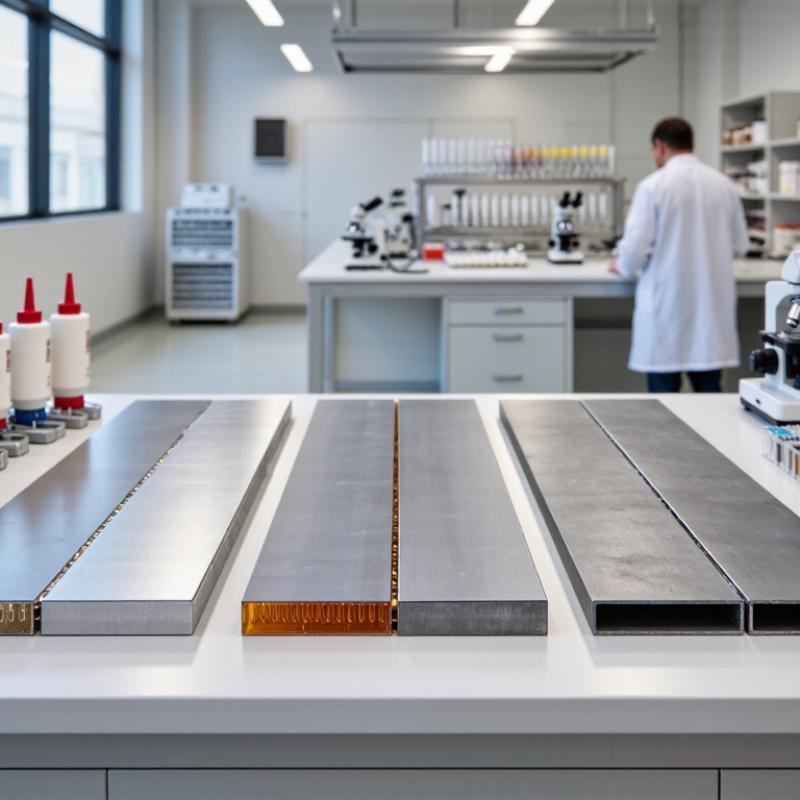
Table of Contents [Hide]
Define the Bonding Requirements and Application Conditions
How to Choose the Right Industrial Adhesive?
Define the Bonding Requirements and Application Conditions
Choosing an industrial adhesive starts with the joint, not the product label. Identify the materials, bond area, load direction, and required service life. A small overlap may need higher shear strength. A flexible joint may need controlled movement instead.
Examine the application environment carefully. Will the assembly face heat, moisture, vibration, chemicals, or outdoor exposure? Record the highest and lowest temperatures, not only the average. Check surface energy, porosity, cleanliness, and preparation time. Dust, oil, or uneven surfaces can weaken even a well-tested adhesive. I have seen promising trials fail because operators ignored curing humidity. The test was technically sound, but the conditions were not repeated on the production floor.
Tips: Create a simple bonding profile before testing. Include substrate types, gap size, operating temperature, expected loads, and cure time. Test finished assemblies under realistic conditions, including aging and repeated stress. Keep samples from early trials for comparison. They may reveal changes that a final inspection misses. A perfect data sheet rarely exists. Your process details must fill the gaps. Also consider dispensing equipment, worker safety procedures, rework limits, and inspection methods. An adhesive that bonds well but slows production may still be the wrong choice. Small omissions can become expensive lessons.