-
PRODUCTS & SERVICESOptimized cooling solutions for modern data centersProducts & ServicesOptimized cooling solutions for modern data centers
-
CAPABILITIESAdvancing liquid cooling technologiesCapabilitiesAdvancing liquid cooling technologies
-
TechnologiesLiquid Cooling InnovationTechnologiesLiquid Cooling Innovation
-
RESOURCESLatest News & InformationResourcesLatest News & Information
-
ABOUTOur history, leadership and ownershipAboutOur history, leadership and ownership
-
CONTACTFacility locations and global operational footprint




How to Choose the Right Lockout Station?
Choosing the right Lockout Station is not a matter of buying the largest board or the brightest color. It is a control decision that affects maintenance speed, equipment isolation, and worker safety. OSHA’s Control of Hazardous Energy standard, 29 CFR 1910.147, requires employers to establish procedures, training, and devices that prevent unexpected machine energization. OSHA also reports that effective lockout/tagout practices can prevent an estimated 120 fatalities and 50,000 injuries each year. Those figures make the selection process difficult to ignore.
A practical Lockout Station should match the hazards, equipment, and workforce using it. A compact electrical workshop may need personal safety locks, tags, hasps, and circuit-breaker lockouts. A processing plant may require valve covers, cable lockouts, group lock boxes, and multilingual instructions. The station should remain visible, accessible, and close to the isolation points. It should also support routine inspections, damaged-device replacement, and documented inventory checks. A crowded board creates delays. Delays create pressure.
The UK Health and Safety Executive emphasizes suitable isolation, secure locking devices, and clear procedures in its guidance on machinery safety. This supports a broader lesson: storage alone does not create control. The station must fit the site’s written energy-control program and actual work habits. A polished cabinet can still fail if workers cannot find the correct device. Choosing only by price is another common weakness. Before comparing products, review energy sources, shift patterns, environmental conditions, and contractor access. Then test the proposed setup with real maintenance staff. Their feedback may expose problems that a checklist misses. That is where better decisions begin.
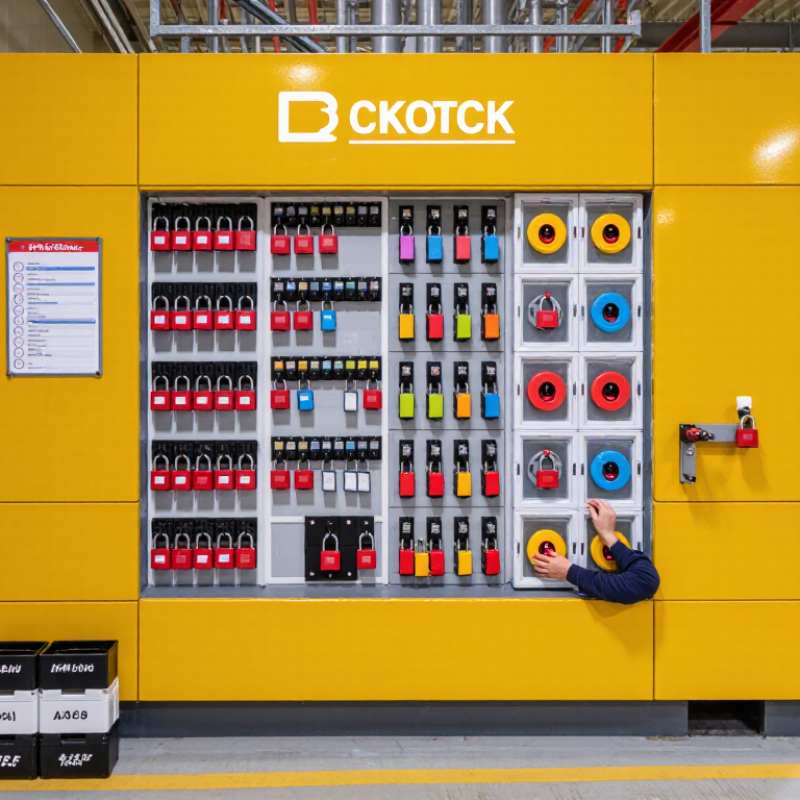
Table of Contents [Hide]
What Is a Lockout Station and Why Is It Important?
How to Choose the Right Lockout Station?
A lockout station is a dedicated storage point for devices used to isolate hazardous energy. It may hold padlocks, tags, hasps, circuit breaker locks, valve covers, and clear instructions. During maintenance, workers need these items immediately, not in a distant cabinet. A well-organized station reduces searching, delays, and unsafe shortcuts. It also shows that energy control is part of everyday work, not an afterthought. Small details matter. Missing tags can weaken an otherwise careful procedure.
The right station should match the equipment, hazards, and number of authorized workers. Review maintenance records, machine layouts, and site procedures before selecting its size. Choose visible, durable storage that resists dust, moisture, and frequent handling. Separate personal locks from shared devices when possible. Labels should remain readable under poor lighting. Clear identification supports training and consistent use. A competent safety professional should verify the station against recognized safety practices and the equipment manufacturer’s instructions. It is easy to choose a large station and assume the problem is solved. That assumption deserves review.
Tips: Count the devices required for one busy maintenance shift. Keep emergency contact information nearby. Inspect the station regularly for empty spaces, damaged hardware, or outdated instructions. Ask workers what they cannot find quickly. Their feedback may reveal weaknesses that an office inspection misses. Recheck the layout after equipment changes. A station that worked last year may no longer fit today’s risks.