-
PRODUCTS & SERVICESOptimized cooling solutions for modern data centersProducts & ServicesOptimized cooling solutions for modern data centers
-
CAPABILITIESAdvancing liquid cooling technologiesCapabilitiesAdvancing liquid cooling technologies
-
TechnologiesLiquid Cooling InnovationTechnologiesLiquid Cooling Innovation
-
RESOURCESLatest News & InformationResourcesLatest News & Information
-
ABOUTOur history, leadership and ownershipAboutOur history, leadership and ownership
-
CONTACTFacility locations and global operational footprint







How to Choose a Video Entry Phone in 2026?
Choosing a Video Entry Phone in 2026 is more than comparing screen sizes or camera resolution. A useful system must identify visitors clearly, communicate naturally, and remain dependable during rain, darkness, and network interruptions.
Bruce Schneier, a respected security technologist, said, “Security is a process, not a product.” That principle fits video entry systems closely. A smart-looking device can still fail when its mobile app loses connection. A high-resolution camera may show faces poorly at night. These details matter.
This guide examines the practical decisions behind a reliable Video Entry Phone. It considers image quality, two-way audio, infrared performance, door-release controls, weather resistance, installation methods, and long-term support. Wired Ethernet, Power over Ethernet, and wireless models each have different strengths. The best choice depends on the building, not just the brochure.
Think about a busy apartment entrance. Visitors may stand beneath a bright security lamp, while delivery drivers approach from the side. Wide-angle coverage helps, but excessive distortion can weaken recognition. Clear audio matters even more near traffic or heavy rain. Privacy settings, user permissions, software updates, and secure remote access deserve equal attention.
There is no perfect model.
Some recommendations may seem obvious, yet real installations can expose weaknesses. A device can be easy to install but difficult for older residents to use. A premium system can offer impressive features without providing responsive support. Careful testing remains necessary. This article offers a practical framework for comparing specifications with daily experience, helping buyers select a Video Entry Phone that feels secure, usable, and sensible in 2026.
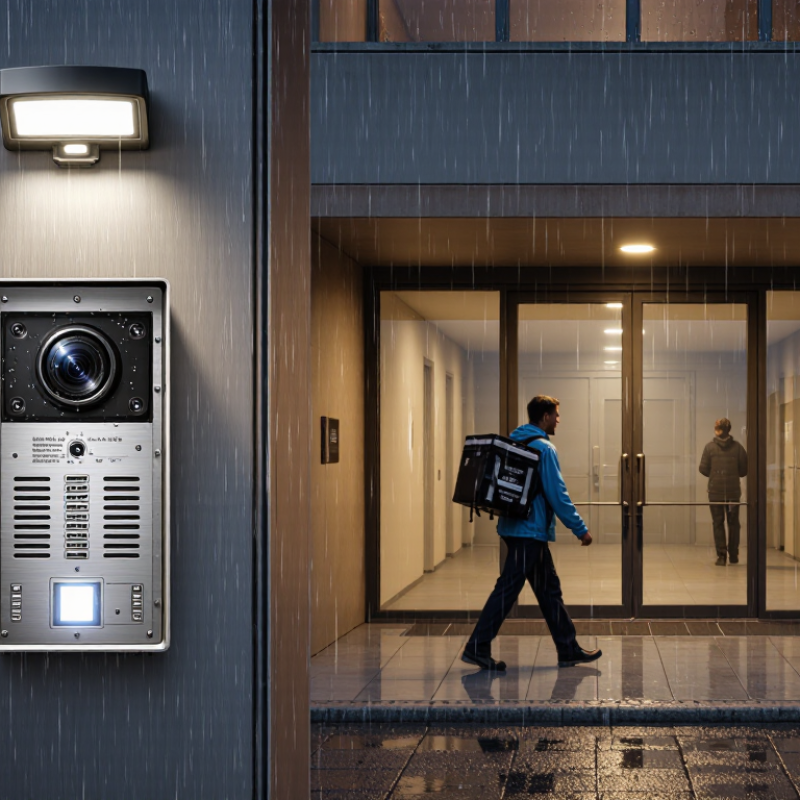
Table of Contents [Hide]
Define Entry-Phone Needs: Homes, Apartments, Offices, and Visitor Volume
Choosing a video entry phone in 2026 starts with the building, not the screen size. A detached home may need one outdoor station, a clear indoor monitor, and reliable night vision. Think about the entrance at 8 a.m. Can you identify a courier in rain or low light? Can an older resident hear the call clearly? A wide viewing angle helps when visitors stand beside the camera, not directly in front of it.
Apartments require a different assessment. Count the units, entrances, and daily visitors. A small building may work well with a simple directory and one shared lobby station. Larger properties need fast unit selection, clear audio, and enough capacity for simultaneous calls. Busy buildings need more than a sharp camera. They need dependable queue handling. Delivery staff, guests, and maintenance workers can arrive within minutes, so slow responses quickly become frustrating. Check whether residents can answer remotely, but verify network reliability before promising constant access.
Offices should map visitor flow from the pavement to reception. A video entry phone may need separate calling options for departments, meeting rooms, or security staff. Look for adjustable call duration, event records, weather resistance, and simple administration. Privacy settings also deserve careful review, especially when recording is enabled. Keep stored footage limited and protected according to local requirements. A common installation mistake is choosing features before checking cable routes and network coverage. Measure the entrance, test sound at peak noise, and ask how the system behaves during power or connection failures. The perfect specification on paper may still disappoint at the door.