How to Improve Data Center Efficiency with Simple Strategies?
In today’s rapidly evolving digital landscape, data center efficiency has emerged as a critical goal for businesses. Effective management of resources can lead to significant cost savings and improved performance. Many organizations struggle to optimize their data centers, often due to a lack of awareness or clear strategies.
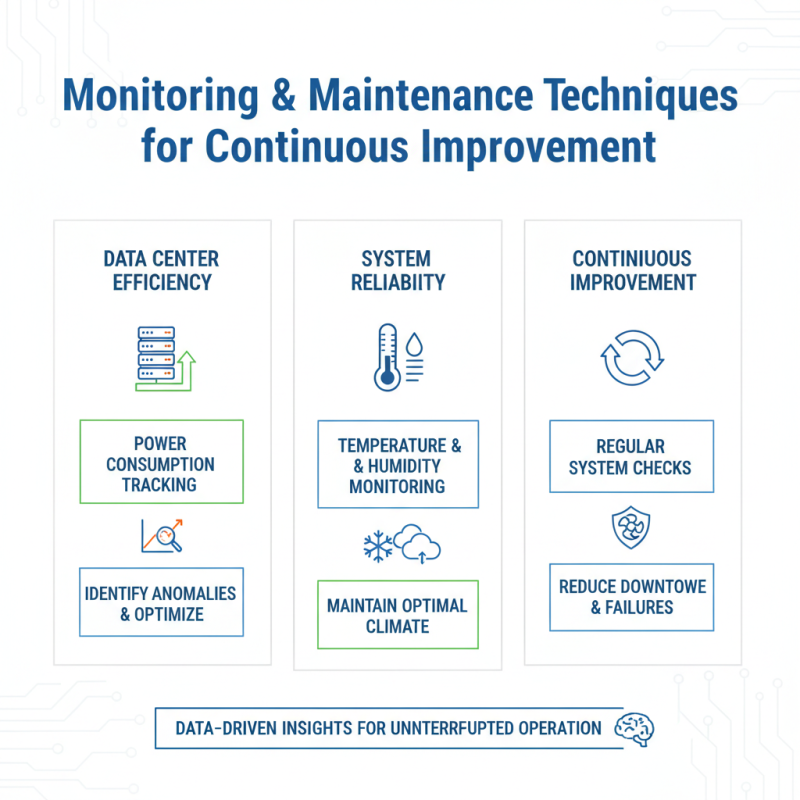
To enhance data center efficiency, simple strategies can be employed. For instance, regular monitoring of energy consumption helps identify wasteful practices. Implementing virtualization techniques can also streamline operations, making them more efficient. However, some companies may overlook these straightforward methods in favor of more complex solutions. This hesitance can hinder progress.
Ultimately, enhancing data center efficiency requires a combination of expertise and commitment. While many solutions exist, not all are suitable for every organization. It’s essential to assess specific needs and challenges. This reflection can guide the journey toward a more efficient data center, benefiting the business and the environment.

Understanding Data Center Efficiency and Its Importance
Data center efficiency is crucial for organizations aiming to reduce costs and enhance performance. According to a report by the U.S. Department of Energy, data centers consume about 2% of the total energy in the U.S. Knowing the impact of energy use highlights why improving efficiency matters. High energy consumption leads to increased operational costs and environmental concerns. Addressing these issues can pave the way for sustainable practices.
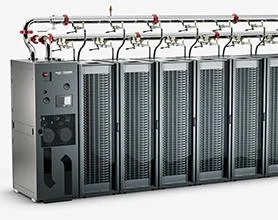
One effective strategy is optimizing cooling systems. Studies show that 30% of energy is used for cooling alone. By employing advanced cooling techniques like hot aisle/cold aisle containment, facilities can significantly reduce energy costs. Implementing intelligent monitoring systems can also help track energy usage and identify inefficiencies. This visibility enables data centers to adjust in real time, ensuring optimal performance.
Tips for improvement include regularly auditing energy use and maintenance practices. Small changes can lead to substantial savings. Implementing virtual machine technology can reduce hardware needs, minimizing energy consumption. Investing in efficient power supplies can further boost overall efficiency, too. Regular training for staff on energy-saving practices fosters a culture of efficiency and learning, which is essential in the fast-evolving tech landscape.
Key Factors Affecting Data Center Performance
Data center performance is influenced by several critical factors. One key element is energy efficiency. According to the U.S. Department of Energy, data centers consume about 1.8% of the total electricity used in the United States. This staggering number emphasizes the need for effective energy management strategies. Implementing cooling systems that adapt to real-time needs can lead to up to a 30% reduction in energy consumption.
Another significant factor is the design of the data center. A well-structured facility with optimized airflow can improve performance. Research from the Green Grid shows that proper airflow management can increase cooling system efficiency by 50%. Moreover, using virtualization technology can reduce the number of physical servers, thus cutting energy costs significantly.
Lastly, regular monitoring and maintenance are crucial. Many data centers overlook the importance of proactive maintenance. The Uptime Institute reports that unplanned outages can cost organizations up to $5,600 per minute. Regular audits can identify inefficiencies and prevent costly downtimes. A data center's performance is a reflection of how well these factors are managed and optimized.
Simple Strategies for Reducing Energy Consumption
Data centers consume a significant amount of energy, and improving their efficiency is crucial. One effective strategy is optimizing cooling systems. These systems often use excessive energy if not monitored properly. Regular audits can help identify areas for improvement. Adjusting temperature settings can lead to significant energy savings. Some facilities have reduced energy costs by ten percent just by fine-tuning their cooling environment.
Another approach involves implementing virtualization technologies. Instead of relying on numerous physical servers, virtualization allows multiple applications to run on fewer machines. This not only saves energy but also reduces the need for additional cooling. However, it requires careful planning. Staff must ensure that the fewer servers can handle the workload efficiently.
Utilizing renewable energy sources is also a worthy consideration. By integrating solar or wind power, data centers can reduce their reliance on non-renewable resources. Although this might involve higher initial costs, the long-term savings and sustainability benefits are compelling. Transitioning to renewables can also improve a data center's overall footprint. Each strategy presents its own challenges, but the impact on energy consumption is significant.
Improving Data Center Efficiency: Energy Consumption by Strategy
Implementing Virtualization to Optimize Resource Utilization
Implementing virtualization is a powerful strategy to enhance data center efficiency. Virtualization allows multiple virtual machines (VMs) to run on a single physical server. This optimizes resource utilization by reducing hardware requirements. By consolidating resources, organizations can lower energy consumption and operational costs.
Tips: Monitor resource usage closely. This helps identify underutilized VMs. Regularly review and adjust allocations based on actual demand. This can prevent instances of over-provisioning, which wastes both energy and capital.
Another consideration is the management of storage resources. Virtualization enables better allocation and automation of storage. Still, misconfigured storage can lead to bottlenecks. It's crucial to perform regular audits to ensure that the storage architecture supports optimal performance. Balancing storage loads can significantly improve overall system efficiency.
Engaging with a knowledgeable team is vital. Experienced staff can navigate challenges and improve virtualization setups efficiently. Ensure ongoing training and open communication among team members. This can foster innovation and lead to better resource management strategies. Keeping the virtual environment agile and adaptable is essential as needs change.