-
PRODUCTS & SERVICESOptimized cooling solutions for modern data centersProducts & ServicesOptimized cooling solutions for modern data centers
-
CAPABILITIESAdvancing liquid cooling technologiesCapabilitiesAdvancing liquid cooling technologies
-
TechnologiesLiquid Cooling InnovationTechnologiesLiquid Cooling Innovation
-
RESOURCESLatest News & InformationResourcesLatest News & Information
-
ABOUTOur history, leadership and ownershipAboutOur history, leadership and ownership
-
CONTACTFacility locations and global operational footprint




What is Pipe Fitting and Why is it Important in Industries?
Pipe Fitting is an essential component of various industrial processes. It involves the connection, adjustment, and alignment of pipes in various systems. Understanding pipe fitting is crucial for maintaining operational efficiency. Poorly executed pipe fittings can lead to leaks and system failures.
Industries rely on professionals skilled in pipe fitting. These experts ensure that the piping systems function properly. They are knowledgeable about different materials and techniques. This expertise helps prevent potential hazards. The integrity of pipelines influences overall safety and productivity.
In many cases, pipe fitting can be overlooked. Some may underestimate its importance until problems arise. Investing in proper pipe fitting practices can save time and resources. Addressing fitting issues early on can prevent costly repairs and downtime.
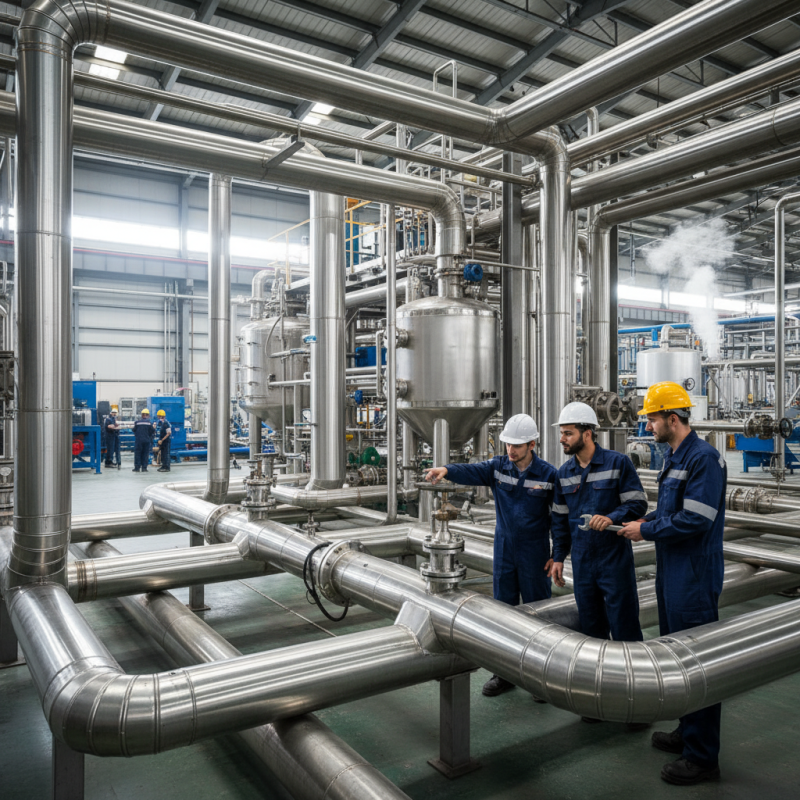
Table of Contents [Hide]
Definition of Pipe Fitting and Its Functions in Various Industries
Pipe fitting involves the assembly and connection of piping systems. This fundamental process is crucial across various industries, such as oil and gas, construction, and manufacturing. The global pipe fittings market was estimated at approximately $73.6 billion in 2020 and is projected to grow, indicating its importance. Effective pipe fitting ensures the seamless transport of liquids and gases, minimizing leaks and maintaining safety standards.
In industries like pharmaceuticals and food processing, the precision of pipe fitting is critical. It prevents contamination and ensures compliance with strict hygiene standards. For example, in the pharmaceutical sector, incorrect fittings can lead to costly product recalls. Additionally, industries rely heavily on the calculations and measurements necessary for proper pipe fitting, which can sometimes result in errors. It’s essential to reflect on these challenges. Professionals must be trained and vigilant to avoid issues arising from miscalculations. Despite advancements, human error remains a concern.
Moreover, regular inspections and maintenance of pipe fittings can significantly enhance operational efficiency. Reports indicate that preemptive measures can reduce downtime by up to 30%. This vigilance reflects the ongoing need for specialized expertise in the field, as well as for investments in quality materials and tools. Recognizing and addressing these challenges is vital for successful operations in any industry that relies on piping systems.