-
PRODUCTS & SERVICESOptimized cooling solutions for modern data centersProducts & ServicesOptimized cooling solutions for modern data centers
-
CAPABILITIESAdvancing liquid cooling technologiesCapabilitiesAdvancing liquid cooling technologies
-
TechnologiesLiquid Cooling InnovationTechnologiesLiquid Cooling Innovation
-
RESOURCESLatest News & InformationResourcesLatest News & Information
-
ABOUTOur history, leadership and ownershipAboutOur history, leadership and ownership
-
CONTACTFacility locations and global operational footprint







What Is Roth Brackets Orthodontics and How Does It Work?
Roth Brackets Orthodontics is a conventional fixed appliance system designed to guide teeth through controlled, three-dimensional movement. Its prescription includes built-in values for torque, angulation, and rotation. An orthodontist bonds each bracket to a tooth, then threads an archwire through the slots. Small adjustments gradually reshape the bite, alignment, and dental arch.
The American Association of Orthodontists reports that about four million people in the United States receive orthodontic treatment. Its public data also indicates that approximately one in four orthodontic patients is an adult. The World Health Organization’s Global Oral Health Status Report 2022 estimates that oral diseases affect nearly 3.5 billion people worldwide. These figures explain the growing demand for practical, evidence-based bite correction, although they do not measure Roth brackets specifically.
Roth systems remain widely discussed because their bracket design can support predictable finishing goals when diagnosis and mechanics are appropriate. Still, no bracket prescription works independently. Treatment depends on bone support, growth, periodontal health, compliance, and the orthodontist’s clinical judgment. That part is easy to overlook.
During treatment, a patient may feel pressure after an archwire change. A mirror may show crowded incisors slowly forming a cleaner line. Yet treatment time varies, and published estimates should not become promises. This guide explains what Roth Brackets Orthodontics means, how its components work, and where its practical limits appear. It also separates established orthodontic principles from marketing claims, using professional guidance and clinical evidence as reference points.
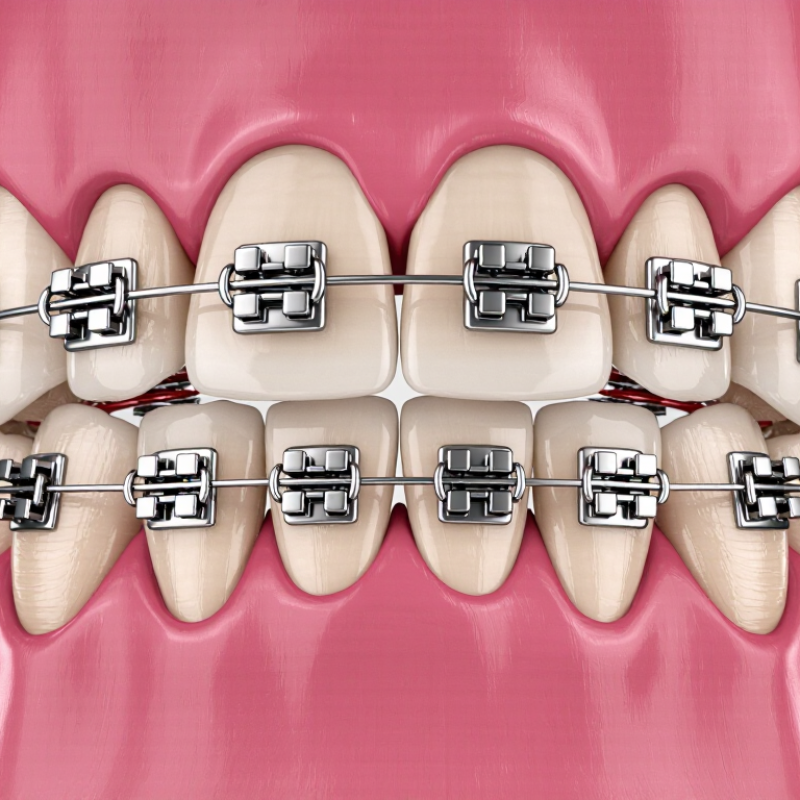
Table of Contents [Hide]
What Are Roth Brackets in Orthodontics?
Roth brackets are fixed orthodontic brackets designed around a specific treatment prescription. The prescription guides tooth angulation, rotation, and front-to-back positioning. Each bracket is bonded to an individual tooth with dental adhesive. A thin archwire then passes through the bracket slots. Gentle, controlled forces guide the teeth over time.
The label can be confusing. Roth brackets are not a single treatment method or a guarantee of perfect alignment. They describe bracket specifications, including built-in torque and angulation. These details may help the orthodontist express the planned tooth positions more efficiently. However, results depend on diagnosis, wire changes, elastic wear, bone support, and patient cooperation. No bracket works alone.
During an examination, the orthodontist reviews the bite, facial balance, tooth spacing, and jaw relationships. Dental photographs and imaging may also support treatment planning. The brackets are placed carefully, because small positioning errors can affect tooth movement. Treatment commonly involves regular adjustment visits, where the orthodontist checks progress and changes the archwire when needed.
Patients may notice pressure, tenderness, or minor irritation after placement. These effects often improve within several days. Cleaning around each bracket requires patience and a small interdental brush. Hard or sticky foods can loosen attachments. The terminology is useful, but it should not replace an individualized clinical assessment. Even a well-planned prescription may need adjustment when teeth respond differently than expected.
What Is Roth Brackets Orthodontics and How Does It Work?
| Data Dimension | Typical Information | How It Relates to Treatment |
|---|---|---|
| Definition | Roth brackets are fixed orthodontic brackets manufactured according to the Roth prescription, which specifies bracket angulation, inclination, and torque for different teeth. | The prescription helps the orthodontist plan how each tooth should be positioned when the archwire is fully engaged. |
| Bracket Material | Most conventional Roth brackets are made from stainless steel. Tooth-colored ceramic versions may also be available. | Metal brackets are generally durable, while ceramic brackets are designed to be less noticeable but may be more prone to fracture or wear. |
| Placement | Brackets are bonded to the front surfaces of the teeth using a dental adhesive. Bands or auxiliary attachments may be used when clinically necessary. | Accurate placement is important because bracket position influences the direction of tooth movement. |
| Archwire Function | A sequence of flexible-to-stiffer archwires is placed into the bracket slots. The wires provide controlled forces to guide tooth movement. | Early wires commonly focus on alignment; later wires help refine spacing, bite relationships, and tooth angulation. |
| Common Slot Sizes | Common bracket slot dimensions are approximately 0.018 × 0.025 inches or 0.022 × 0.028 inches. | The slot size affects wire selection, force delivery, and the amount of control available during finishing. |
| Ligatures | Small elastic or metal ligatures commonly hold the archwire inside each bracket. Some systems use clips or doors instead. | Ligatures help maintain wire engagement and may require replacement during adjustment visits. |
| Typical Treatment Time | Many comprehensive fixed-brace treatments take about 18–24 months, although some cases are shorter or longer. | Duration depends on the severity of crowding or bite problems, tooth movement, growth, cooperation, and missed appointments. |
| Adjustment Visits | Appointments are often scheduled approximately every 4–8 weeks, depending on the treatment stage and clinical needs. | The orthodontist may change wires, replace ligatures, add elastics, or make other adjustments. |
| Conditions Commonly Treated | Fixed braces may be used for crowding, spacing, rotations, increased overjet, deep bite, open bite, and certain crossbites. | The appliance choice depends on the complete examination, dental records, jaw relationship, and treatment objectives. |
| Expected Sensations | Mild tenderness or pressure is common for a few days after placement or adjustments. The cheeks and lips may need time to adapt. | Orthodontic wax, softer foods, and nonprescription pain relief used as directed may improve short-term comfort. |
| Oral Hygiene | Brushing with fluoride toothpaste at least twice daily and cleaning around brackets and under the wire are essential. | Poor plaque control can increase the risk of tooth decay, enamel demineralization, and gum inflammation during treatment. |
| Food Considerations | Hard, sticky, and highly chewy foods should generally be avoided or modified to reduce the risk of bracket or wire damage. | Broken appliances can interrupt treatment and may require an additional repair appointment. |
| After Treatment | Retainers are normally recommended after braces are removed to help maintain the corrected tooth positions. | Teeth can shift over time, so long-term retainer use according to the orthodontist’s instructions is important. |
| Important Limitation | The Roth prescription is a bracket design and positioning system, not a guarantee of faster treatment or a specific final result. | Outcomes depend on diagnosis, treatment planning, biological response, appliance management, oral hygiene, and patient cooperation. |