-
PRODUCTS & SERVICESOptimized cooling solutions for modern data centersProducts & ServicesOptimized cooling solutions for modern data centers
-
CAPABILITIESAdvancing liquid cooling technologiesCapabilitiesAdvancing liquid cooling technologies
-
TechnologiesLiquid Cooling InnovationTechnologiesLiquid Cooling Innovation
-
RESOURCESLatest News & InformationResourcesLatest News & Information
-
ABOUTOur history, leadership and ownershipAboutOur history, leadership and ownership
-
CONTACTFacility locations and global operational footprint







What Is a Super Intalox Saddle Used For?
A Super Intalox Saddle is a shaped random packing used inside industrial process columns. Its job is to provide contact area between rising gas and descending liquid. Picture liquid spreading across curved saddle surfaces while gas moves through the open spaces. That contact supports mass transfer, such as absorption or distillation, when the column and packing are properly designed.
Distillation authority Henry Z. Kister’s published engineering work emphasizes matching column internals to the separation duty. A concise, non-verbatim takeaway is: “Choose internals for the service, not the name alone.” This is a summary, not a direct quotation. In practice, engineers compare packing geometry, material, column diameter, fluid properties, and operating limits. They also consider pressure drop, capacity, liquid distribution, and the risk of fouling. One detail matters: a packing’s advertised surface area cannot predict performance by itself.
The design is not magic. Poor liquid distribution can leave parts of the bed underused, even when the packing is suitable. Installation quality matters, too. This article explains where a Super Intalox Saddle is used, what it can offer, and which operating factors deserve attention. It also treats selection claims cautiously. Real performance depends on the complete column design, not one component in isolation. For a specific application, verified supplier data and qualified process-engineering review are essential.
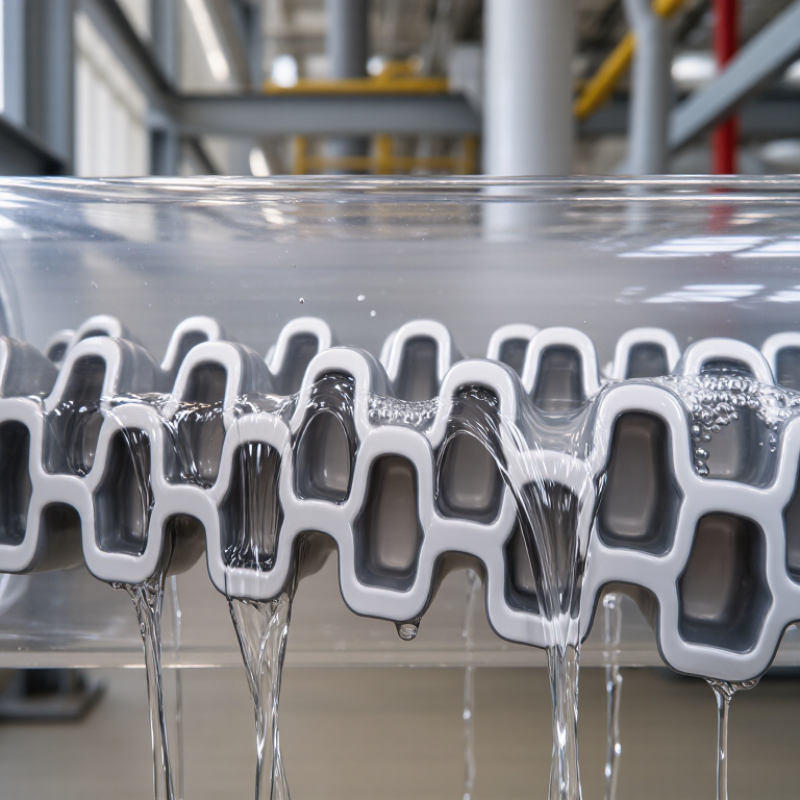
Table of Contents [Hide]
What Is a Super Intalox Saddle?
A Super Intalox saddle is a piece of random packing used inside a packed tower. Its curved, open shape provides surfaces for liquid to spread while leaving passages for gas to move through. Unlike a simple ring, the saddle’s contours and openings can encourage contact between the two flowing phases. The exact geometry varies by material and design. Small details matter.
In operation, many saddles are poured into a column rather than arranged in fixed rows. Liquid trickles over their surfaces, forming thin films and droplets, while gas passes through the gaps. This contact supports mass transfer in processes such as absorption, stripping, and distillation. A well-chosen packing can offer useful surface area without creating excessive resistance to flow. Yet performance also depends on column diameter, loading, liquid distribution, and installation. A saddle cannot correct a poorly distributed feed by itself. That is easy to overlook. Engineers compare pressure drop, capacity, fouling risk, and material compatibility before selecting packing. A quick visual inspection helps, but it cannot replace operating data.