Why Choose Thermal Management Systems for Global Sourcing?
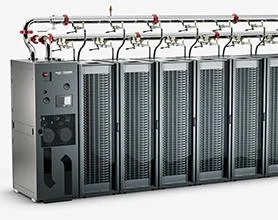
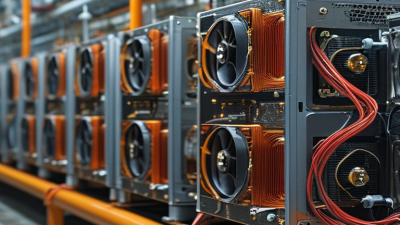
Global sourcing has changed how manufacturers control heat, cost, and supply risk. Thermal Management Systems now support electronics, electric vehicles, medical equipment, telecommunications, and industrial machinery. A reliable system may include heat sinks, cold plates, fans, thermal interface materials, or phase-change components. Each part must match the product’s operating conditions, production volume, and service environment.
The strongest sourcing decisions begin with measurable requirements. Engineers should compare thermal resistance, pressure drop, energy use, material quality, and expected service life. Supplier evaluations should include factory capability, process controls, inspection records, and supply continuity. Independent testing can confirm performance during temperature cycling, vibration, humidity, and extended operation. Evidence wins. A supplier’s attractive quotation means little without stable tolerances and traceable materials.
Global suppliers may offer broader expertise, regional manufacturing capacity, and access to specialized materials. They can also reduce dependency on one production location when carefully qualified. However, distance introduces communication delays, shipping exposure, currency changes, and inconsistent documentation. These risks deserve practical attention, not optimistic assumptions. A detailed specification, sample approval, and realistic audit plan can prevent expensive redesigns later.
In my experience, thermal performance often looks acceptable in a laboratory but changes inside a crowded enclosure. Small gaps, uneven mounting pressure, or aging interface materials can create unexpected hotspots. That matters. Buyers should request application data rather than relying on general product claims. Thermal Management Systems become a strategic sourcing choice when engineering evidence, supplier accountability, and long-term reliability guide the decision. The process is not perfect, but disciplined verification makes global procurement more dependable.

What Are Thermal Management Systems in Global Sourcing?
Thermal management systems are engineered arrangements that move, spread, store, or remove heat. In global sourcing, they may include heat sinks, fans, liquid channels, thermal interface materials, sensors, and control units. These parts work together to protect equipment from overheating and performance loss. The goal is not simply a lower temperature. Stable operation matters more. A compact enclosure may need an airflow path, a conductive pad, and accurate temperature monitoring. Sometimes, a small mounting error causes more trouble than an expensive component.
Global sourcing adds practical challenges. Suppliers must provide clear drawings, material details, tolerances, and test records. Prototype samples should be checked under realistic loads, not only in a clean laboratory. Engineers often compare thermal resistance, noise levels, pressure drop, durability, and energy use. Packaging also matters. A bent fin or damaged seal can reduce performance before installation. A lower unit price may create higher costs through rework, delays, or inconsistent batches.
Thermal systems support electronics, battery storage, vehicles, industrial machinery, and data equipment. Air cooling is simple, but it may not handle dense heat loads. Liquid cooling can improve control, yet it demands careful sealing and maintenance planning. No calculation captures every factory condition. That limitation deserves attention. Reliable sourcing depends on traceable inspections, verified samples, and communication between design and production teams. Requirements should be reviewed when operating conditions change. That step is often missed.
Which Industries Need Thermal Management Solutions?
Thermal management systems matter wherever heat affects safety, uptime, or product life. Data centers use them to control server temperatures under constant computing loads. Telecom facilities also need stable cooling inside dense equipment cabinets. A small temperature rise can shorten component life.
Medical equipment requires careful heat control near sensors, imaging modules, and patient-contact surfaces. In electric vehicles, thermal systems regulate batteries, motors, and charging components. They must perform during traffic, hot weather, and repeated fast charging. Battery temperature balance is critical. It is not always simple.
Industrial automation, aerospace manufacturing, and renewable energy also depend on reliable thermal control. Inverters, power converters, and robotic drives may generate concentrated heat in compact enclosures. Engineers often combine heat exchangers, fans, liquid cooling, insulation, and real-time sensors. The correct choice depends on operating temperature, humidity, vibration, service access, and available space. A solution designed for a clean factory may struggle in a dusty field.
Global sourcing adds another layer. Buyers should request material specifications, test records, operating limits, and maintenance requirements. Suppliers need to explain how systems perform across voltage, climate, and production changes. Independent validation can reveal weak seals, uneven airflow, or control delays before installation. The calculation is rarely perfect. Real equipment behaves differently from laboratory models, so pilot testing remains valuable. A lower purchase price may also hide difficult repairs, scarce replacement parts, or training costs. Reliable sourcing requires technical evidence, clear communication, and honest review of what the system cannot handle.
How Do Thermal Management Systems Improve Supply Chain Efficiency?
Thermal management systems improve supply chain efficiency by protecting products from heat, cold, and unstable storage conditions. In global sourcing, a shipment may cross ports, warehouses, and trucks before reaching production. Each transfer creates risk. A well-designed system uses sensors, insulation, airflow control, and alerts to maintain a defined temperature range. This reduces spoilage, rework, and emergency replacement orders. It also gives procurement teams clearer data when comparing suppliers. Experience shows that small temperature deviations can become expensive after several days. Not every issue is dramatic.
Reliable thermal control supports more accurate inventory planning. Products stay usable longer, so companies can reduce safety stock without accepting unnecessary shortages. Monitoring records also help teams verify carrier performance and investigate delays. For technical buyers, the key is matching the system to product sensitivity, route length, packaging format, and local climate. A reusable container may lower waste, but only when return logistics are practical. Energy use matters too. An efficient unit can reduce operating costs, yet its maintenance needs may be overlooked. That mistake is common.
Tips: Map temperature risks at every handoff. Test packaging with real route conditions, not only laboratory assumptions. Set alert thresholds before shipping begins. Review sensor data with quality and logistics teams. Keep a contingency plan for delayed customs clearance or power loss. Finally, document exceptions honestly. Imperfect data can still reveal where the supply chain needs stronger controls.
What Factors Matter When Selecting a Global Supplier?
Why Choose Thermal Management Systems for Global Sourcing?
Selecting a global thermal management supplier requires more than comparing unit prices. Technical fit comes first. The supplier should match your heat load, operating temperature, fluid compatibility, airflow limits, and installation space. A small mismatch can create hot spots, unstable performance, or premature component failure.
Energy efficiency deserves close attention. The International Energy Agency reported that data centers used about 415 TWh of electricity in 2024, with demand expected to more than double by 2030. The U.S. Department of Energy also notes that cooling can represent up to 40% of data center energy use. These figures make efficiency measurable, not decorative. Ask suppliers for tested performance curves, pressure-drop data, control accuracy, and results under partial-load conditions. Peak efficiency alone can mislead.
Reliability must cover the whole supply chain. Review quality systems, material traceability, production capacity, regional inventory, and recovery plans. Request failure-rate evidence and validation records aligned with recognized thermal guidelines, including ASHRAE recommendations where relevant. Service response matters, too. Can engineers support commissioning across time zones? Are replacement parts available locally? A cheaper supplier may create higher lifecycle costs through delays, redesigns, or emergency freight. Sustainability data should also be verified, not simply promised. Some supplier questionnaires look impressive but lack audited evidence. That weakness deserves scrutiny.
Why Choose Thermal Management Systems for Global Sourcing?
What Factors Matter When Selecting a Global Supplier?
Logistics readiness is a practical screening factor when sourcing thermal management systems globally. Higher logistics performance can support more reliable movement of temperature-sensitive components, shorter replenishment cycles, improved shipment visibility, and better delivery consistency.
The chart uses the World Bank 2023 Logistics Performance Index overall score, measured on a 1–5 scale. Supplier qualification should also include thermal performance, regulatory compliance, quality systems, production capacity, total cost, and after-sales support.
Source: World Bank, Logistics Performance Index 2023 —
lpi.worldbank.org
How Can Companies Evaluate Costs, Quality, and Compliance?
Global sourcing thermal management systems requires more than comparing unit prices. Companies should calculate total cost across purchase, freight, installation, energy, maintenance, and failure risk. The U.S. Department of Energy reports that cooling can consume up to 40% of data center electricity. A cheaper heat exchanger may therefore create higher operating costs over five years. Request measured performance at defined inlet temperatures, airflow rates, and load levels. Ask for test records, not attractive estimates.
Quality evaluation should include material traceability, weld inspection, leak testing, and sample-based validation. ISO 9001 certification supports process control, but it does not guarantee every shipment is perfect. A factory audit should examine calibration labels, rejected parts, and actual production records. Small details matter. One missing gasket can stop a complete assembly. I would also compare warranty response times, spare-part availability, and documented field failure rates. These checks are sometimes skipped when purchasing teams focus too heavily on price.
Compliance must be checked before production, not after delivery. Relevant requirements may include RoHS and REACH substance controls, electromagnetic compatibility rules, pressure safety obligations, and transport documentation. ASHRAE Standard 90.4 provides energy considerations for data center facilities, while ASHRAE TC 9.9 offers thermal guidance for equipment environments. Requirements vary by destination and application. A supplier declaration alone may be insufficient; independent laboratory testing can expose gaps. Some evaluation models still underweight supplier communication, which is a practical weakness. Clear drawings, change-control notices, and audit rights reduce that uncertainty.