-
PRODUCTS & SERVICESOptimized cooling solutions for modern data centersProducts & ServicesOptimized cooling solutions for modern data centers
-
CAPABILITIESAdvancing liquid cooling technologiesCapabilitiesAdvancing liquid cooling technologies
-
TechnologiesLiquid Cooling InnovationTechnologiesLiquid Cooling Innovation
-
RESOURCESLatest News & InformationResourcesLatest News & Information
-
ABOUTOur history, leadership and ownershipAboutOur history, leadership and ownership
-
CONTACTFacility locations and global operational footprint







7 Tips for Choosing a Wafer Type Butterfly Valve
Choosing a wafer type butterfly valve can look simple beside a pipe rack. It is not. The correct choice depends on pressure, temperature, media, pipe alignment, and maintenance access. A valve that works perfectly with clean water may fail quickly in abrasive slurry. Its seat may swell, harden, or lose sealing force.
Valve specialist R. W. Zappe emphasizes, “Valve selection must follow the process, not the catalogue.” This principle gives the following seven tips practical direction. Check the line size and pressure class first. Then examine the fluid carefully. Is it corrosive, abrasive, viscous, or carrying suspended solids? These details influence the disc material, shaft design, and seat compound.
Look closely.
A reliable wafer type butterfly valve should match the pipeline’s flange standard and available installation space. Measure the face-to-face distance before ordering. Confirm whether the valve needs a manual handle, gearbox, pneumatic actuator, or electric actuator. Consider emergency shutoff requirements, cycling frequency, and available air pressure. A small mismatch can create leakage, difficult operation, or expensive downtime.
Do not trust a catalogue image alone. Ask for pressure-temperature ratings, seat compatibility data, test documentation, and installation guidance. Review the supplier’s manufacturing experience and quality controls. An apparently cheaper valve may require earlier replacement. That is not always true, but ignoring lifecycle cost is a common mistake. The best decision combines field experience, engineering evidence, and honest questioning. Even experienced buyers should revisit assumptions before approving the final specification.
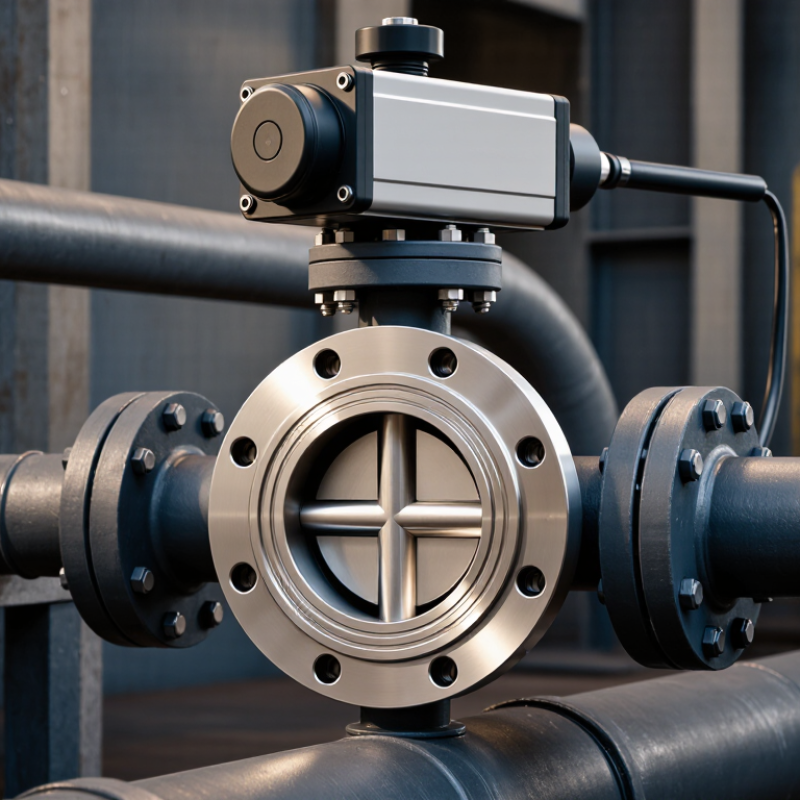
Table of Contents [Hide]
Wafer Butterfly Valve Basics: API 609, EN 593, and ISO 5752 Standards
Choosing a wafer butterfly valve starts with the line, not the catalog. Confirm the fluid, pressure, temperature, pipe size, and available space. A wafer valve fits between flanges, so check the flange pattern carefully. Small mismatches can create large installation problems.
Read API 609 for butterfly valve design, pressure class, testing, and performance expectations. EN 593 addresses industrial metallic butterfly valves and may suit European project specifications. ISO 5752 mainly controls face-to-face dimensions, helping the valve fit existing piping. These standards overlap, but they are not interchangeable. Ask for the exact edition and compliance documents. Do not accept “standard design” as proof.
Check the body material against corrosion risks. Match the seat material to temperature and chemical exposure. Select the disc and stem for required pressure and operating frequency. Verify the ISO 5752 face-to-face dimension before ordering. Confirm flange compatibility, including bolt holes and gasket contact. Request pressure-test records and material certificates. Finally, examine the actuator interface and emergency operating method.
Keep the handle clear.
In field inspections, I have seen valves chosen correctly on pressure but poorly on seat compatibility. That mistake is easy to overlook. A polished datasheet can still hide an unsuitable temperature limit. I also revisit valve sizing after reviewing actual flow conditions, because nominal pipe size is not enough. When uncertainty remains, involve a qualified engineer and record the decision basis. That record improves reliability during installation, commissioning, and future maintenance.
Conclusion
Choosing the right wafer type butterfly valve requires more than selecting a suitable nominal size. Start by confirming that the valve design complies with relevant standards, such as API 609, EN 593, and ISO 5752, which help define construction, dimensions, and installation compatibility. Pressure ratings should be matched carefully, from ASME B16.34 Class 150 through Class 600, according to the system’s operating pressure and safety requirements.
Material selection is equally important. Disc and seat materials must withstand the expected medium and temperatures up to 200°C without excessive wear or deformation. Verify the valve size, face-to-face dimensions, and flow capacity to ensure proper pipeline fit and efficient operation. When selecting an actuator, compare the required torque with the performance data of manual, pneumatic, and electric options. Finally, check leakage performance against ISO 5208 Rate A criteria to support reliable shutoff and long-term service. A complete evaluation of these factors helps ensure safe, efficient, and durable valve operation.