-
PRODUCTS & SERVICESOptimized cooling solutions for modern data centersProducts & ServicesOptimized cooling solutions for modern data centers
-
CAPABILITIESAdvancing liquid cooling technologiesCapabilitiesAdvancing liquid cooling technologies
-
TechnologiesLiquid Cooling InnovationTechnologiesLiquid Cooling Innovation
-
RESOURCESLatest News & InformationResourcesLatest News & Information
-
ABOUTOur history, leadership and ownershipAboutOur history, leadership and ownership
-
CONTACTFacility locations and global operational footprint




China Top 10 Rack Level Cooling Manufacturers?
As artificial intelligence workloads expand, data centers face a sharper thermal challenge. High-density racks can concentrate far more heat than traditional servers. Rack Level Cooling has therefore moved from a niche option to a strategic design decision. In China, manufacturers are developing rear-door heat exchangers, in-row systems, direct-to-chip liquid cooling, and modular controls. The IEA’s Electricity 2024 report projects that global data center electricity demand could more than double by 2026, exceeding 1,000 TWh. That pressure makes thermal efficiency commercially important.
A 30 kW AI rack can overwhelm room-based air cooling, especially when aisles are poorly sealed. Engineers must examine airflow paths, coolant temperature, pump redundancy, and maintenance access. ASHRAE TC 9.9’s Thermal Guidelines provide useful reference points for inlet temperature, humidity, and equipment classes. The Uptime Institute’s research also highlights rising rack density and cooling complexity as operational risks. This article evaluates ten Chinese manufacturers through engineering evidence, including cooling capacity, control precision, PUE impact, liquid leakage protection, commissioning quality, and field experience. Certifications and documented projects matter more than impressive brochures. Service response matters too.
Public information remains uneven. Some vendors disclose little independent performance data, while others publish laboratory results without comparable field conditions. This is a weakness. Therefore, the ranking should be read as a practical starting point, not an absolute verdict. Readers should verify workload profiles, rack power, water policy, energy targets, and local support before purchasing. The goal is simple: connect China’s strongest Rack Level Cooling capabilities with realistic data center requirements. Mistakes remain possible, because cooling performance depends heavily on site design and operation.

Table of Contents
[Hide]
What Is Rack-Level Cooling and Why Does It Matter?
Rack-Level Cooling and Why It Matters
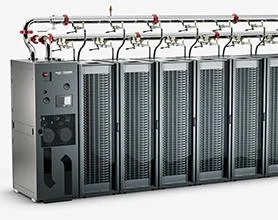
Rack-level cooling places heat removal close to the server cabinet, instead of relying only on room-wide air conditioning. Common solutions include rear-door heat exchangers, in-row cooling units, and direct-to-chip liquid systems. These designs reduce the distance hot air travels. That detail matters in dense computing rooms.
When comparing China’s top ten rack-level cooling manufacturers, buyers should examine more than cooling capacity. Ask for measured airflow, water temperature ranges, noise levels, leakage protection, and full-load test reports. A credible supplier should explain installation limits and maintenance procedures clearly. Engineers should also review rack power density, redundancy, floor loading, and emergency shutdown plans. Small mistakes can create large hot spots.
Tips: Map every rack’s heat output before choosing equipment. Check sensor accuracy during commissioning. Request service response times and spare-parts availability. Compare performance at partial load, not only at peak capacity.
In practice, a system may look efficient on paper but perform differently after cable changes or uneven rack loading. This is easy to overlook. Regular thermal scans and sensor reviews can reveal blocked airflow, rising coolant temperatures, or failing fans early. No design is perfect. A careful manufacturer should admit those limits and recommend realistic operating conditions, rather than promise unlimited efficiency.
Related Posts
-

2026 Top Trends in AI Data Center Cooling Solutions and Innovations?
-
How to Choose Thermal Management Systems in 2026?
-

What Is Supercomputer Cooling and Why Does It Matter?
-

2026 Top Trends in Data Center Thermal Management Solutions?
-

Effective Strategies for Data Center Thermal Management?
-

How to Optimize Data Center Thermal Management for Improved Efficiency?