-
PRODUCTS & SERVICESOptimized cooling solutions for modern data centersProducts & ServicesOptimized cooling solutions for modern data centers
-
CAPABILITIESAdvancing liquid cooling technologiesCapabilitiesAdvancing liquid cooling technologies
-
TechnologiesLiquid Cooling InnovationTechnologiesLiquid Cooling Innovation
-
RESOURCESLatest News & InformationResourcesLatest News & Information
-
ABOUTOur history, leadership and ownershipAboutOur history, leadership and ownership
-
CONTACTFacility locations and global operational footprint







Best Cast Iron Butterfly Valve Suppliers in China?
Choosing a reliable supplier for a Cast Iron Butterfly Valve takes more than comparing prices. Buyers need to match the valve’s design, materials, and operating conditions to the actual application. China has manufacturers and trading companies with different capabilities, so supplier checks matter.
A Cast Iron Butterfly Valve may be used in water, HVAC, or other general industrial systems. The right choice depends on factors such as line size, pressure rating, seat material, connection type, and temperature range. Names on a product sheet are not enough. Ask for drawings, material details, inspection records, and clear answers about testing. Check whether the supplier can explain how the valve performs under your specified conditions. Small details matter.
Look closely at communication and production consistency, not only the first quotation. Request samples or references where practical, and confirm packaging, lead time, spare-part availability, and after-sales support. No supplier is perfect. A minor gap in documentation may be fixable, but vague technical answers deserve follow-up. It is also wise to compare like-for-like specifications; a lower price may reflect a different seat, coating, or inspection scope. This guide explores how to assess Chinese suppliers and identify a suitable partner with evidence, not assumptions.
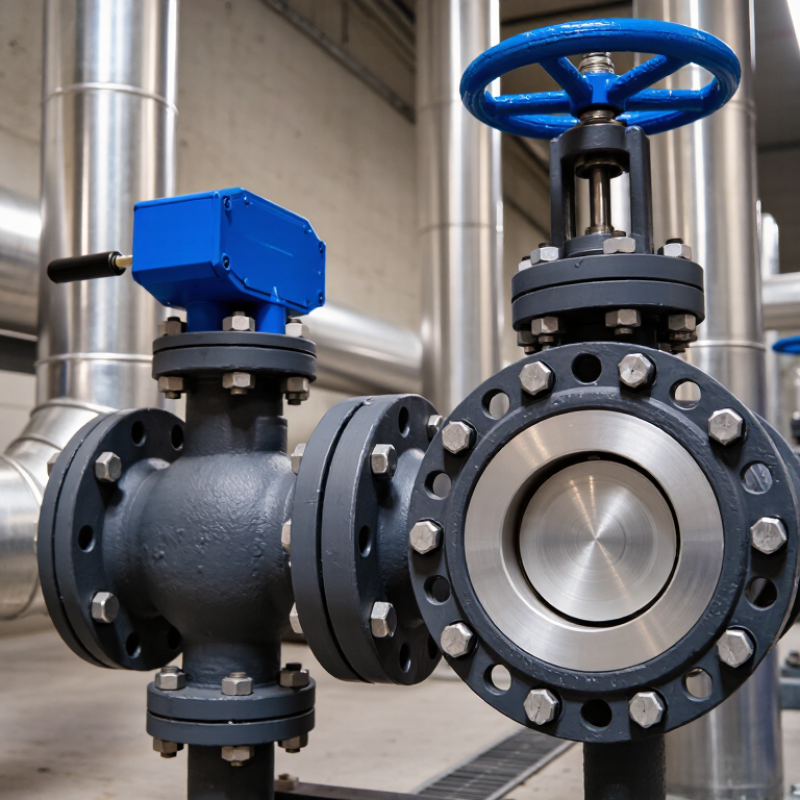
Table of Contents [Hide]
Understanding Cast Iron Butterfly Valves and Their Applications
A cast iron butterfly valve controls flow with a disc that turns around a central shaft. A quarter-turn handle or actuator moves the disc between open and closed positions. The compact body can suit installations where space is limited. Its seat, often made from an elastomer, helps provide a tight shutoff, but material choice matters. Check fluid compatibility, operating temperature, and pressure against the valve’s rated specifications. Cast iron is not the right choice for every service.
These valves are commonly used in water distribution, building HVAC systems, irrigation lines, and some wastewater applications. Picture a valve installed between two pipe flanges in a plant room: its short face-to-face length can simplify a crowded layout. Small details matter. Confirm the flange standard, end connection, disc clearance, and whether manual or powered operation is needed. A frequent oversight is selecting by pipe size alone. The surrounding piping, flow conditions, and maintenance access also affect performance. Specifications can look tidy on paper; actual installations are not always so neat. Check the supplier’s technical documentation and request clarification when ratings or materials are unclear.