-
PRODUCTS & SERVICESOptimized cooling solutions for modern data centersProducts & ServicesOptimized cooling solutions for modern data centers
-
CAPABILITIESAdvancing liquid cooling technologiesCapabilitiesAdvancing liquid cooling technologies
-
TechnologiesLiquid Cooling InnovationTechnologiesLiquid Cooling Innovation
-
RESOURCESLatest News & InformationResourcesLatest News & Information
-
ABOUTOur history, leadership and ownershipAboutOur history, leadership and ownership
-
CONTACTFacility locations and global operational footprint







What Are the Top Harness Connector Types in 2026?
In 2026, choosing a Harness Connector is less about chasing a single “best” design and more about matching the connector to its working conditions. Automotive, industrial, and equipment harnesses may use sealed connectors for wet or dusty environments, compact rectangular connectors for dense wiring, and circular connectors where secure coupling matters. Board-to-wire connectors suit links between a cable harness and a circuit board. High-voltage designs require insulation and contact systems specified for their intended electrical loads. Small details matter: a latch that clicks firmly, a seal that sits evenly, or terminals that resist backing out can affect assembly and service.
This guide explores the main connector types and the practical trade-offs behind them, including size, current capacity, pin count, vibration resistance, sealing, and ease of repair. No connector family is perfect. A sealed housing may add bulk; a compact option may be harder to inspect or service. Catalog specifications help, but they cannot replace checking the actual temperature range, mating cycles, wire gauge, and installation space. Even a sensible choice can disappoint when its real environment was underestimated. That is worth remembering. The sections ahead offer a grounded starting point for comparing common options, while final selection should follow the equipment maker’s requirements and verified product data.
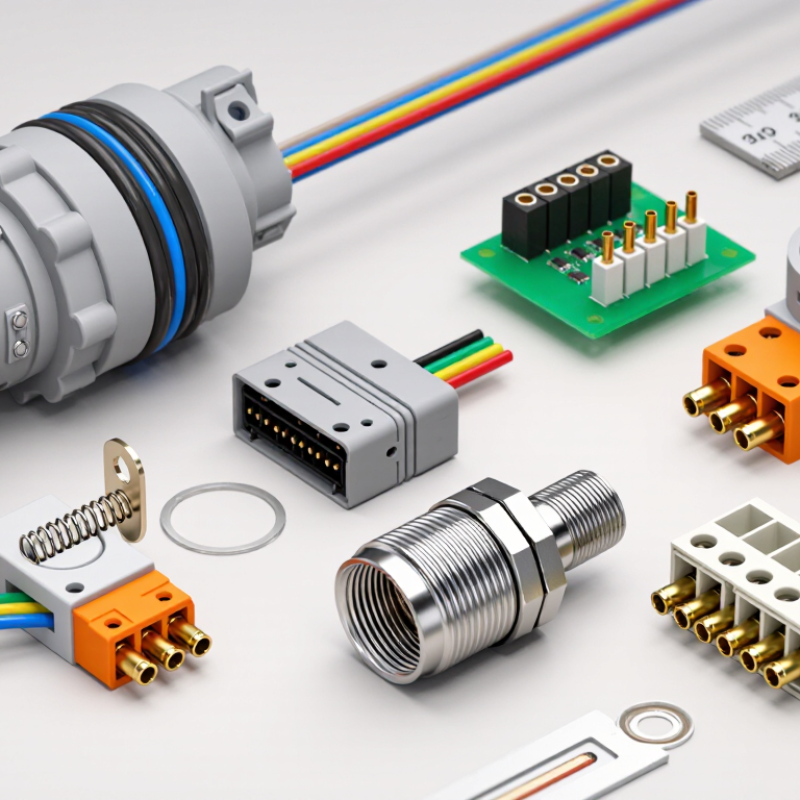
Table of Contents [Hide]
What a Harness Connector Is and How It Functions
A wiring harness connector is the separable junction between sections of a vehicle or machine’s wiring. It lets conductors carry power or signals while keeping the circuit organized and serviceable. A typical connector has metal terminals, an insulating housing, and a locking feature. Some designs also use seals to limit moisture and dust. Small parts, but important.
When two halves mate, each terminal contacts its counterpart and completes an electrical path. The housing aligns the terminals and helps prevent incorrect insertion; a latch resists vibration and accidental separation. For example, a technician can unplug a headlamp connector without cutting its wires. This makes inspection and replacement easier. It is not foolproof. Bent terminals, weak crimps, or a partly engaged latch can cause intermittent faults that are hard to trace.
Connector form depends on its job. Rectangular connectors often suit grouped circuits, while circular types can provide a compact, secure connection. Wire-to-wire designs join harness sections; wire-to-board versions connect wiring to a circuit board. Sealed connectors may suit exposed locations, but they add cost and can be harder to service. Good selection means checking current, voltage, wire size, temperature, vibration, and access for repair—not just matching the shape. A neat fit alone proves little.