-
PRODUCTS & SERVICESOptimized cooling solutions for modern data centersProducts & ServicesOptimized cooling solutions for modern data centers
-
CAPABILITIESAdvancing liquid cooling technologiesCapabilitiesAdvancing liquid cooling technologies
-
TechnologiesLiquid Cooling InnovationTechnologiesLiquid Cooling Innovation
-
RESOURCESLatest News & InformationResourcesLatest News & Information
-
ABOUTOur history, leadership and ownershipAboutOur history, leadership and ownership
-
CONTACTFacility locations and global operational footprint




What Are the Top Heavy Machinery Spare Parts Suppliers in China?
China has become a major sourcing center for Heavy Machinery Spare Parts, serving excavators, loaders, cranes, bulldozers, and mining equipment. Its supplier network ranges from established manufacturers to smaller trading companies. That variety creates opportunity, but it also makes selection more difficult.
A reliable supplier should offer clear product specifications, consistent materials, and traceable quality procedures. Buyers may need engine components, hydraulic pumps, undercarriage parts, filters, or transmission assemblies. Each part requires different technical checks. For example, a hydraulic pump should match pressure ratings, displacement, port dimensions, and machine compatibility. A low price means little if the seal fails after a few working hours.
This guide examines leading Chinese suppliers through practical purchasing criteria. These include manufacturing experience, OEM or replacement-part capabilities, export records, inspection systems, warranty terms, and technical support. Factory photographs are helpful. They are not proof by themselves. Sample testing, serial-number verification, and document reviews provide stronger evidence. Some suppliers communicate quickly but provide weak after-sales support. Others have excellent factories but slow customization processes. No supplier is perfect.
Real purchasing decisions also depend on equipment age, operating conditions, delivery schedules, and maintenance budgets. A quarry fleet may need reinforced undercarriage parts, while a construction contractor may prioritize fast delivery and common models. Supplier rankings can guide research, but they cannot replace careful verification. The following overview highlights companies that appear suitable for different buyer requirements, while recognizing that performance should be judged through current evidence, not reputation alone.
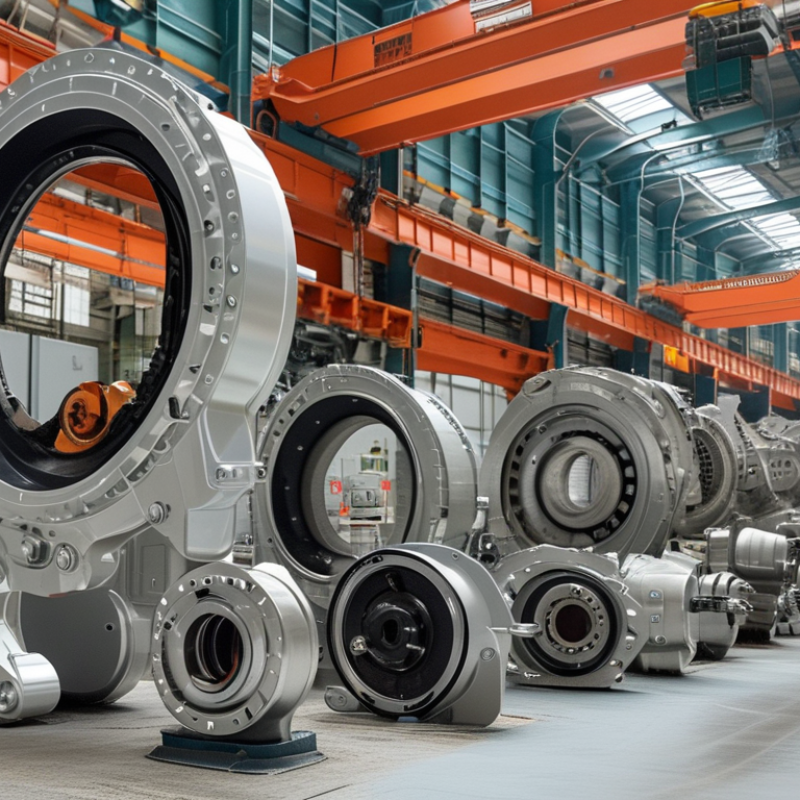
Table of Contents [Hide]
What Defines a Reliable Heavy Machinery Spare Parts Supplier in China?
Reliable heavy machinery spare parts suppliers in China are defined by evidence, not polished catalogs. In field maintenance, I look for suppliers that identify parts by equipment model, serial range, dimensions, material, and operating conditions. A correct-looking component can still fail when its hardness or tolerance is wrong. Experienced suppliers ask for photos, drawings, and failure history before quoting. They should also explain compatibility limits instead of promising that every part fits.
Technical credibility appears in inspection records, traceable batch numbers, and clear testing procedures. Ask whether the supplier checks casting quality, heat treatment, surface hardness, and final dimensions. For hydraulic, drivetrain, and wear components, request relevant performance data and sampling rules. A dependable supplier keeps revision-controlled drawings and records corrective actions after defects. I value practical communication, too. A fast reply is useful, but a precise reply is safer. Some suppliers answer confidently before checking; that is a warning sign, and I have made that mistake myself.
Tips: Compare three written quotations, but do not choose by price alone. Request a sample inspection report, packaging photos, warranty terms, and estimated lead time. Confirm export documents and after-sales contacts before payment. Start with a small trial order when the part is critical. Keep installation measurements and operating notes; these details help resolve disputes. Reliability is built through repeatable checks, honest limitations, and evidence that survives real workshop conditions.