-
PRODUCTS & SERVICESOptimized cooling solutions for modern data centersProducts & ServicesOptimized cooling solutions for modern data centers
-
CAPABILITIESAdvancing liquid cooling technologiesCapabilitiesAdvancing liquid cooling technologies
-
TechnologiesLiquid Cooling InnovationTechnologiesLiquid Cooling Innovation
-
RESOURCESLatest News & InformationResourcesLatest News & Information
-
ABOUTOur history, leadership and ownershipAboutOur history, leadership and ownership
-
CONTACTFacility locations and global operational footprint




Top Power Phase Converter Suppliers for Global Buyers
Selecting reliable equipment is rarely as simple as comparing prices on a supplier website. Global buyers need a Power Phase Converter that matches local voltage, frequency, phase requirements, load behavior, and installation conditions. A workshop running a 15 kW motor may need different protection from a small machine using sensitive electronic controls. Small details matter.
This guide examines leading Power Phase Converter suppliers through practical purchasing criteria. These include engineering experience, manufacturing quality, product testing, technical documentation, customization, warranty support, and delivery performance. Buyers should review rated capacity, conversion efficiency, enclosure design, thermal protection, overload response, and compatibility with demanding motor loads. Clear wiring diagrams and responsive technical teams can prevent costly installation mistakes.
A polished catalog is not proof of dependable performance. It is only a starting point. Supplier claims should be checked against test reports, reference projects, inspection records, and realistic operating conditions. Questions about spare parts, remote troubleshooting, factory acceptance testing, and service response deserve direct answers. Not every supplier serves every market equally well. Some offer strong engineering but limited regional support. Others provide fast delivery but fewer customization options. This comparison aims to make those differences easier to identify, while recognizing that product suitability still depends on site-specific engineering review. Careful evaluation protects budgets, equipment, and production schedules. It also creates a more honest path toward long-term supplier relationships.
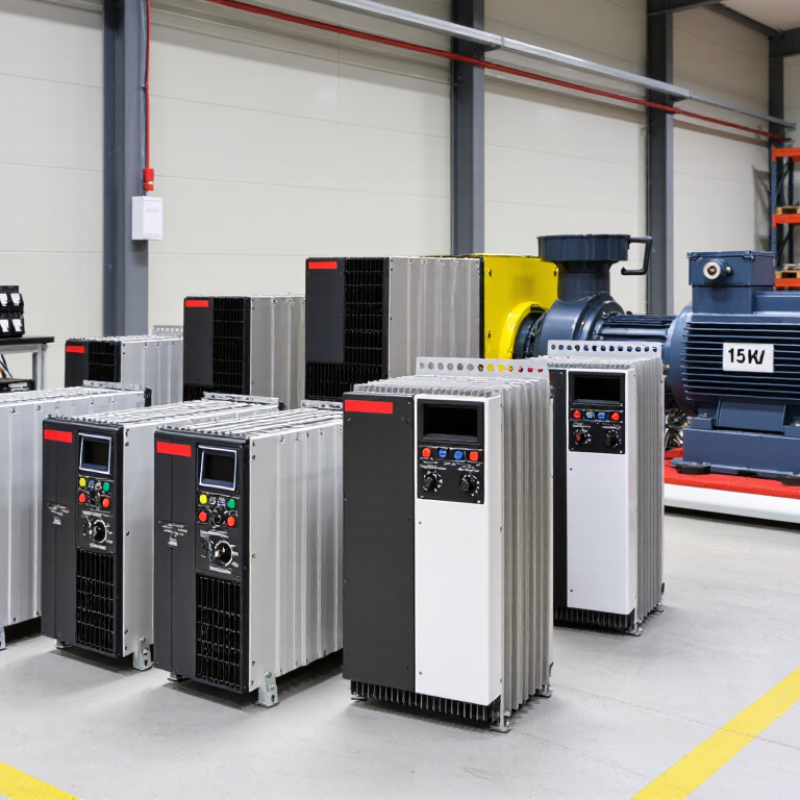
Table of Contents [Hide]
What Power Phase Converters Are and How They Work
What Power Phase Converters Are and How They Work
A power phase converter changes available electrical supply into a form that three-phase equipment can use. In many workshops, utility power enters as single-phase electricity, while the machine expects three separate waveforms. The converter creates or synthesizes the missing phases. It does not create free energy. Some input power becomes heat and electrical loss. The International Energy Agency reports that electric motor systems consume about half of global electricity. Phase quality therefore affects operating cost, temperature, and equipment life.
Rotary converters use an idler motor to produce a rotating magnetic field. They suit compressors, pumps, and machine tools with changing loads. Static converters use capacitors, but their starting performance is limited. Variable-frequency drives rectify incoming AC, create a DC link, and rebuild AC at controlled voltage and frequency. The U.S. Department of Energy’s Motor Systems Market Assessment identifies motor-driven equipment as roughly 68% of industrial electricity use. Correct sizing deserves careful testing.
Installers should check starting current, horsepower, voltage imbalance, grounding, ventilation, and harmonics. A clamp meter and power-quality analyzer can reveal problems hidden by a nameplate. NEMA MG 1 recommends keeping motor voltage imbalance below 1%. That limit is easy to overlook. A converter may start the motor but still cause uneven heating or nuisance trips. Site conditions matter. I would not select capacity from horsepower alone; real acceleration data is safer, although it is not always available.