Top 10 Smart Hotels in China That Redefine Luxury Travel
In recent years, the concept of a Smart Hotel has gained immense popularity in China. These hotels utilize advanced technologies to enhance guest experiences, seamlessly blending comfort with innovation. Through smart devices and automated services, they create a unique environment tailored to individual needs. Imagine checking in with a simple mobile app or adjusting room settings with voice commands.
However, not all Smart Hotels achieve the perfect balance between technology and personal touch. While automation offers convenience, it can sometimes feel impersonal. Guests may miss the warmth of human interaction that traditional hotels provide. It's crucial for these establishments to reflect on how they can integrate technology without losing that essential human connection.
As we explore the top 10 Smart Hotels in China, we will dive into what sets them apart. From design to technology, each hotel redefines luxury travel in its own way. Let's discover how these pioneers can inspire a new era of hospitality while grappling with the challenges of excessive automation. Each hotel showcases a commitment to quality and innovation, pushing the boundaries of what luxury travel can mean.
Smart Hotel Innovations: Transforming Luxury Accommodations in China
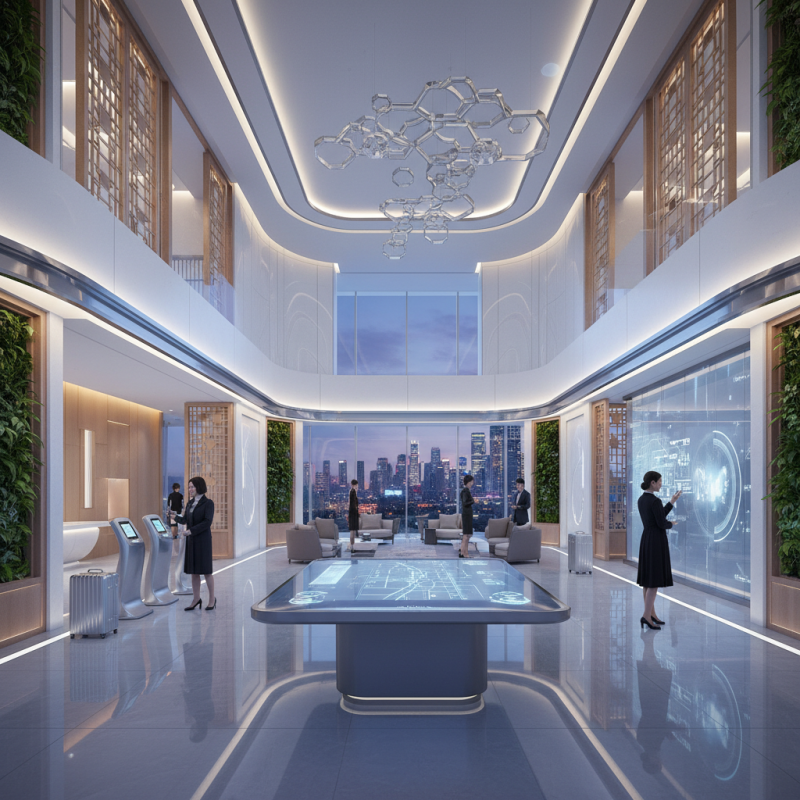
Smart hotel innovations are transforming luxury accommodations in China. These hotels utilize advanced technology to enhance guest experiences. From interactive check-in kiosks to automated room controls, technology reshapes how travelers interact with their surroundings.
Many hotels incorporate smart systems that adjust lighting and temperature for optimal comfort. Voice-activated assistants offer personalized recommendations for dining and activities. However, reliance on technology can sometimes hinder human connection. While guests appreciate convenience, some may miss the warm service of traditional hospitality.
Security is another focus for smart hotels. Biometric access ensures only authorized guests can enter rooms. Yet, it raises concerns about privacy and data protection. As luxury travel evolves, these innovations invite reflection. Balancing technology and human touch remains crucial for a truly luxurious experience.
Top Features of Smart Hotels That Enhance Guest Experience
Smart hotels in China are revolutionizing the luxury travel experience. With advanced technology, these hotels offer unique features that enhance guest satisfaction. One notable aspect is the use of smart room controls. Guests can adjust lighting, temperature, and entertainment systems using a simple touch or voice command.
Personalization is another key feature. Smart hotels often provide tailor-made experiences based on guest preferences. For instance, guests might receive curated recommendations for local attractions. Mobile apps allow for seamless communication with hotel staff, enhancing service efficiency. However, occasional tech glitches can disrupt the experience, reminding us that technology is not always flawless.
Many of these hotels integrate AI to anticipate guests' needs. From automated check-ins to smart mirrors providing personalized news updates, the convenience is remarkable. Still, some guests may feel overwhelmed by the amount of technology. Balancing innovation with a human touch remains a challenge.
Overall, these features can significantly improve the guest experience while raising questions about reliance on technology in hospitality.
Sustainability Practices in China's Smart Hotel Industry
The smart hotel industry in China is rapidly evolving, placing a strong emphasis on sustainability. According to a recent industry report, over 70% of new hotel developments incorporate eco-friendly technologies. This shift is driven by rising consumer awareness and demand for greener travel options.
Energy-efficient systems are becoming standard. Many hotels utilize smart HVAC systems that adapt to occupancy. Lighting systems that automatically adjust reduce energy consumption significantly. Reports indicate that these innovations can lower energy costs by up to 30%. However, the implementation of these technologies can be costly and complex, leading some establishments to cut corners.
Water conservation practices are also essential. Rainwater harvesting systems and low-flow fixtures are being integrated into new constructions. While many hotels boast these features, not all follow through with consistent maintenance. Data shows that only 50% of hotels effectively implement regular checks on water-saving systems. This inconsistency raises questions about reliability in hotel sustainability claims.
The Role of Technology in Redefining Luxury Travel Experiences
Technology has become a key player in the luxury travel sector. Smart hotels in China utilize advanced systems to enhance guest experiences. A report by Deloitte indicates that 63% of travelers prioritize updated technology in their accommodations. From mobile check-ins to AI-powered concierge services, these innovations streamline the travel process.
The integration of IoT devices allows guests to control room settings with ease. Imagine adjusting lighting or temperature through a smartphone app. However, not all guests are comfortable with these technologies. Some prefer a more traditional experience. Balancing innovation and personal touch is vital for smart hotels.
Consider these tips when opting for a smart hotel. Check if the technology enhances convenience rather than complicating your stay. Look for user-friendly systems that allow for easy interaction. Lastly, be aware of data privacy policies. In an era where technology reigns supreme, understanding how your data is being used is essential.
Top 10 Smart Hotels in China That Redefine Luxury Travel
| Hotel Name | Location | Key Features | Technology Used | Guest Experience |
| Hotel A | Beijing | Personalized room settings, AI concierge | Smart room control system | Exceptional convenience and comfort |
| Hotel B | Shanghai | Virtual reality entertainment, smart mirrors | Augmented reality apps | Immersive in-room experiences |
| Hotel C | Guangzhou | Robotic butlers, smart check-in | Robotics and automation | Quick and efficient service |
| Hotel D | Chengdu | Smart lighting and climate control | IoT technology | Personalized environmental settings |
| Hotel E | Shenzhen | Voice-activated room amenities | Voice recognition technology | Hands-free convenience |
| Hotel F | Hangzhou | Automated room service | Smart logistics technology | Streamlined dining options |
| Hotel G | Xi'an | Integrated booking and travel planning | AI travel assistant | Seamless travel experience |
| Hotel H | Nanjing | Mobile room keys, smart security | Smartphone app integration | Enhanced safety and convenience |
| Hotel I | Tianjin | Health monitoring systems | Wearable technology | Focus on wellness |
| Hotel J | Suzhou | Customizable entertainment options | Smart entertainment systems | Personalized in-room entertainment |
A Look into Unique Amenities Offered by China's Smart Hotels
In recent years, China's smart hotels have transformed luxury travel. These establishments blend technology with hospitality, offering unique amenities that enhance guest experiences. For instance, many hotels now feature virtual assistants and AI-powered concierge services. Guests can control room settings using voice commands, creating a seamless environment tailored to their preferences.
A recent study by the Global Business Travel Association found that 70% of travelers prioritize technology in their hotel choices. Modern smart hotels provide mobile check-in services and smart room access. Digital keys allow guests to enter rooms using their smartphones, reducing wait times at the front desk. Some properties even offer robotic room service, showcasing how automation can complement traditional hospitality.
However, not all experiences are perfect. While technology can streamline operations, some guests feel overwhelmed by the digital interfaces. A segment of travelers still prefers human interaction. The challenge lies in balancing technological advancements with personalized service. As innovation continues, the industry must navigate these complexities to redefine luxury travel in a way that resonates with all guests.
Top 10 Smart Hotels in China That Redefine Luxury Travel