-
PRODUCTS & SERVICESOptimized cooling solutions for modern data centersProducts & ServicesOptimized cooling solutions for modern data centers
-
CAPABILITIESAdvancing liquid cooling technologiesCapabilitiesAdvancing liquid cooling technologies
-
TechnologiesLiquid Cooling InnovationTechnologiesLiquid Cooling Innovation
-
RESOURCESLatest News & InformationResourcesLatest News & Information
-
ABOUTOur history, leadership and ownershipAboutOur history, leadership and ownership
-
CONTACTFacility locations and global operational footprint




What Are the Top Types of Filter Units in 2026?
Which filter unit will matter most in 2026? The answer depends on what needs removing, how much air or liquid must pass through, and the system’s operating limits. In buildings, HEPA and higher-efficiency HVAC units target airborne particles; industrial settings may favor bag, cartridge, or electrostatic collectors. Liquid systems use other designs, including cartridge and membrane units. There is no universal winner.
The market is growing, but that does not make every product a sound choice. Grand View Research’s Air Filters Market Size, Share & Trends Analysis Report estimated the global air filters market at USD 15.3 billion in 2023 and projected a 6.3% compound annual growth rate from 2024 to 2030. That forecast signals continued investment, not proof that one filter type fits every site. Check pressure drop, airflow, maintenance intervals, and verified efficiency ratings. A filter that looks impressive on paper can still strain an undersized fan.
ASHRAE filtration researcher William Bahnfleth’s work supports a useful broader principle: filtration should be considered alongside ventilation and the building’s overall clean-air strategy. That is a paraphrase, not a direct quotation. The distinction matters. Real rooms have dusty return grilles, changing occupancy, and tight equipment spaces. Sometimes the practical answer is less elegant than the brochure.
This guide compares the leading Filter Units expected to shape choices in 2026, from HVAC and HEPA systems to industrial and liquid-filtration designs. It focuses on what each type captures, where it performs best, and what operators should verify before buying.
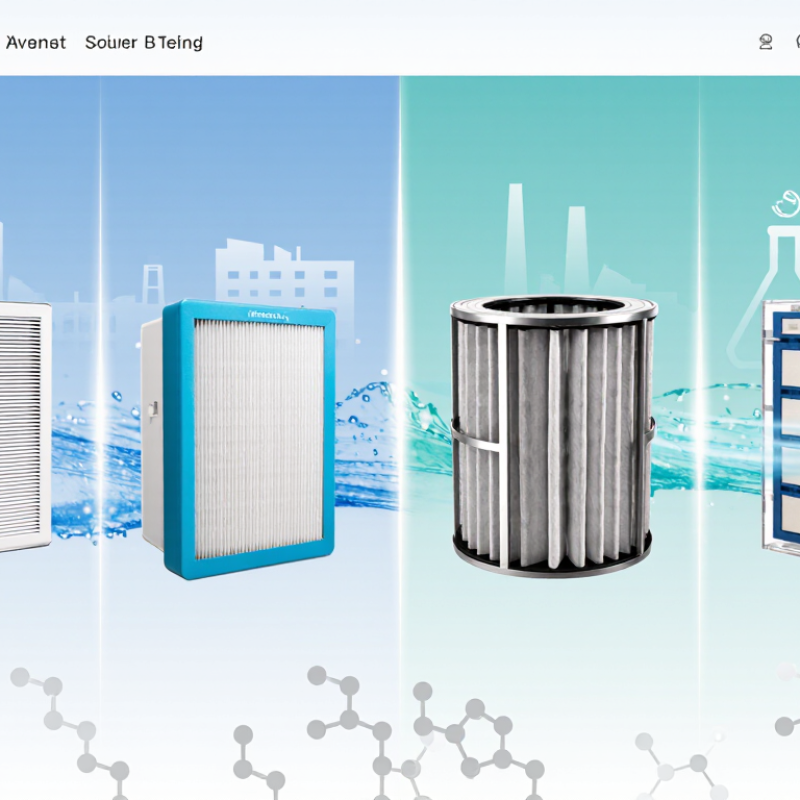
Table of Contents [Hide]
What Is a Filter Unit and How Does It Work?
A filter unit removes unwanted particles from air or liquid as the material passes through a filtering element. A fan, pump, or natural pressure difference moves the flow through the unit. The element captures contaminants while allowing cleaner material to continue. Simple in principle. The details matter.
Different units use different methods. A cartridge holds particles within pleated media, while a bag filter traps them in a fabric surface. Air systems may use fine-fiber media to capture smaller particles; some high-efficiency units are designed for demanding cleanliness needs. No filter catches everything. Performance depends on particle size, airflow, media condition, and a proper seal around the element. In a workshop, a clogged filter can reduce airflow and strain equipment. A pressure reading or visible buildup can signal that inspection is due, though neither tells the whole story. Check the unit’s rated conditions and replace or clean its element as specified. In practice, maintenance schedules sometimes need adjustment; real dust loads are rarely predictable.