-
PRODUCTS & SERVICESOptimized cooling solutions for modern data centersProducts & ServicesOptimized cooling solutions for modern data centers
-
CAPABILITIESAdvancing liquid cooling technologiesCapabilitiesAdvancing liquid cooling technologies
-
TechnologiesLiquid Cooling InnovationTechnologiesLiquid Cooling Innovation
-
RESOURCESLatest News & InformationResourcesLatest News & Information
-
ABOUTOur history, leadership and ownershipAboutOur history, leadership and ownership
-
CONTACTFacility locations and global operational footprint







What Are 36 Pipe End Caps Used For?
What Are 36 Pipe End Caps Used For? The answer depends on what “36” describes. It may indicate a 36-inch pipe diameter, a package quantity, or a specific product designation. Always confirm the manufacturer’s dimensions before ordering. A small measurement error can leave a cap loose, stressed, or impossible to install.
In practical pipework, 36 Pipe End Caps close open pipe ends during storage, transportation, fabrication, and installation. They help block rain, dust, insects, and construction debris from entering the line. On a large steel pipe, a cap can protect exposed threads, flanges, or beveled edges from impact damage. Some caps support temporary pressure testing, but only when their rated pressure, material, and connection method match the application. They are not automatically suitable as permanent pressure barriers.
Material selection matters. Polyethylene caps are lightweight and useful for temporary protection. Steel or ductile iron options may suit demanding industrial environments. Temperature, chemical exposure, wall thickness, and installation conditions should guide the choice. Inspectors typically check for cracks, deformation, correct fit, and visible corrosion before use. That detail is easy to overlook.
A reliable specification should list the pipe outside diameter, cap style, material, pressure rating, and applicable testing requirements. Local engineering standards may also affect acceptance. The wording “36 Pipe End Caps” sounds clear, but it can hide different meanings. That is why experienced buyers verify drawings, product data, and field measurements together. A careful check now prevents costly rework later.
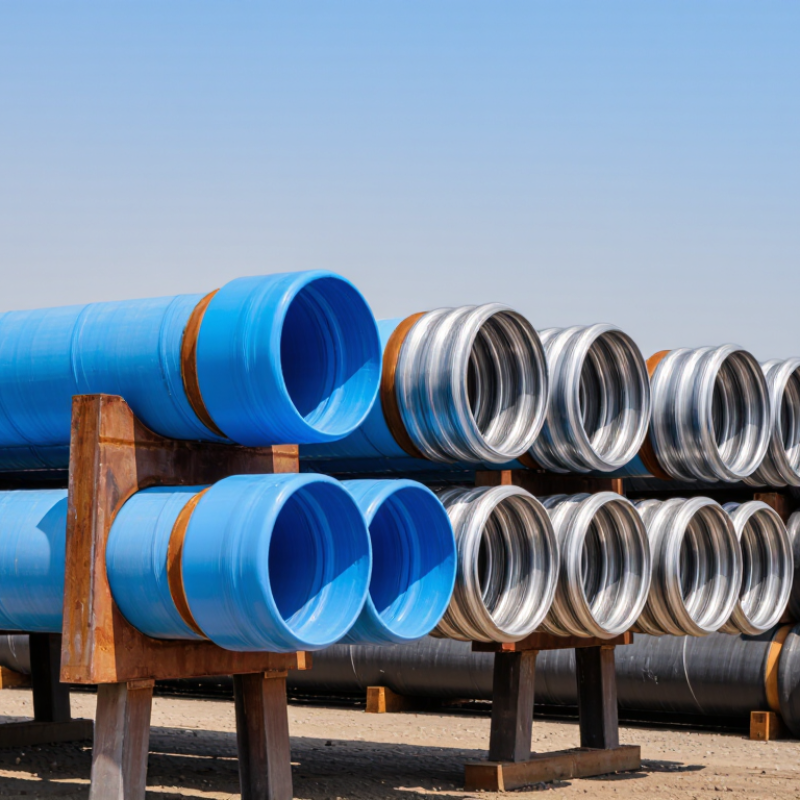
Table of Contents [Hide]
What Are 36-Inch Pipe End Caps?
A 36-inch pipe end cap is a large fitting designed to close the end of a pipeline. The term usually refers to an NPS 36 cap, not simply a cap measuring 36 inches across. ASME B36.10M lists NPS 36 steel pipe with a 36.00-inch outside diameter. ASME B16.9 also identifies caps as factory-made butt-welding fittings. Their dimensions, wall thickness, and end preparation must match the connected pipe.
These caps support pipeline isolation, hydrostatic testing, storage, and transport protection. They are common in water treatment, power generation, industrial processing, and large-scale infrastructure. A welded cap provides a permanent closure. A removable design may support inspection or future expansion. Material selection matters. Carbon steel suits many utility lines, while stainless steel or corrosion-resistant alloys may serve aggressive fluids. The wrong thickness can create a weak point under pressure. It happens more often than expected.
Tips: Confirm the NPS, outside diameter, wall schedule, material grade, and pressure class before ordering. Check ASME B16.9 dimensions and the project’s welding procedure. For water systems, review applicable AWWA requirements. Keep the cap supported during handling; a 36-inch fitting can be heavy and awkward. Measure twice. A field measurement may reveal an old pipe that does not match modern nominal dimensions. That small discrepancy can delay welding, testing, and installation.