-
PRODUCTS & SERVICESOptimized cooling solutions for modern data centersProducts & ServicesOptimized cooling solutions for modern data centers
-
CAPABILITIESAdvancing liquid cooling technologiesCapabilitiesAdvancing liquid cooling technologies
-
TechnologiesLiquid Cooling InnovationTechnologiesLiquid Cooling Innovation
-
RESOURCESLatest News & InformationResourcesLatest News & Information
-
ABOUTOur history, leadership and ownershipAboutOur history, leadership and ownership
-
CONTACTFacility locations and global operational footprint






What Are the Top Chemical Mechanical Seal Types?
Choosing the right Chemical Mechanical Seals begins with understanding the process, not memorizing product names. Chemical plants expose seals to aggressive fluids, temperature swings, pressure changes, and abrasive particles. A seal that performs well on a clean solvent may fail quickly in a crystallizing acid service. Small details matter: face materials, elastomer compatibility, spring design, flushing, and shaft condition.
Tribology expert Dr. Michael M. Khonsari has stated, “A mechanical seal is a tribological system, not merely a component.” That principle guides this discussion. The seal faces touch, separate, heat, lubricate, and wear under changing conditions. Their performance depends on the entire equipment environment. Expecting one design to solve every problem is unrealistic.
This guide examines the top Chemical Mechanical Seals types used in demanding industrial applications. It considers balanced and unbalanced designs, cartridge and split seals, bellows seals, mixer seals, and specialty configurations. Each type offers practical strengths, but each also has limits. A cartridge seal can simplify installation, yet incorrect setting remains possible. A bellows seal can reduce exposed springs, yet material selection still controls chemical resistance. Field experience often reveals what catalogs omit. Leaks may result from poor piping, vibration, dry running, or rushed maintenance—not the seal alone. That is worth remembering. The best choice combines engineering data, operating history, and careful installation. Even experienced teams must question assumptions.
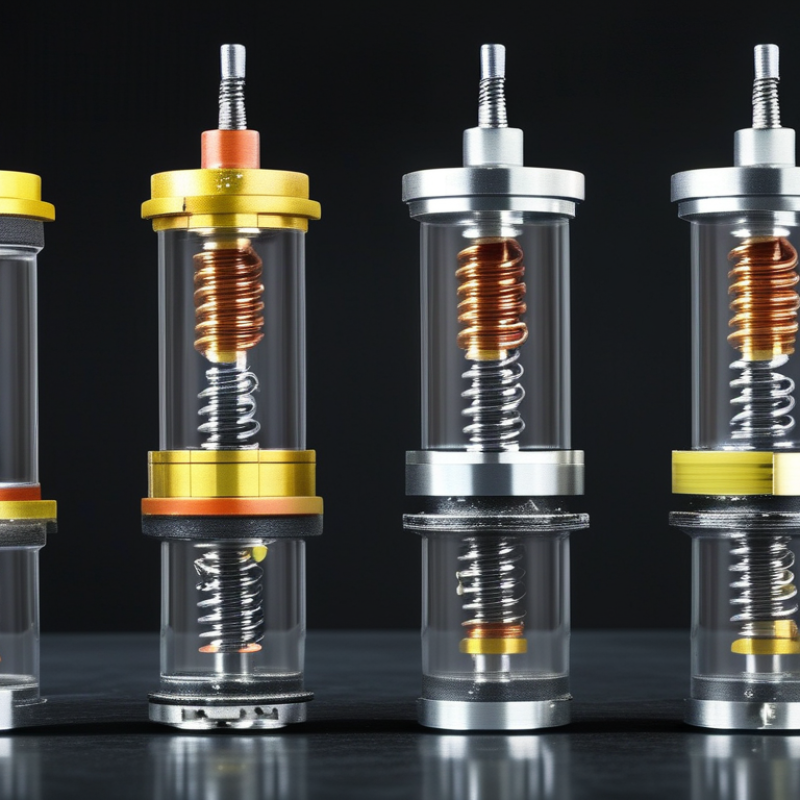
Table of Contents [Hide]
Chemical Mechanical Seals: Purpose, Structure, and API 682 Classification
What Are the Top Chemical Mechanical Seal Types?
Chemical Mechanical Seals: Purpose, Structure, and API 682 Classification
Chemical mechanical seals control leakage where a rotating shaft enters a pump or reactor. Leakage control matters. They protect workers, equipment, and the surrounding process area. Unlike packing, a seal uses two precisely finished faces. One face rotates with the shaft, while the other remains stationary.
A typical structure includes primary sealing faces, secondary O-rings or bellows, springs, a gland, and a shaft sleeve. Common designs include pusher seals, elastomer bellows seals, metal bellows seals, cartridge seals, and split seals. Cartridge designs often simplify installation because the working dimensions are preset. Metal bellows designs can tolerate higher temperatures and reduce sliding secondary-seal movement. However, every choice depends on pressure, temperature, shaft speed, fluid chemistry, and solids content.
API 682 classifies seal systems through categories, arrangements, and seal types. Categories relate to service conditions and qualification requirements. Arrangement 1 uses one seal. Arrangement 2 uses two seals with an unpressurized buffer system. Arrangement 3 uses dual seals with a pressurized barrier system. API 682 seal types commonly distinguish elastomer pusher designs from metal bellows constructions. The specification also addresses piping plans, testing, materials, and monitoring. Real service is messier. A correctly classified seal can still fail when installation is poor, faces run dry, or flushing becomes unstable. Engineers should check the latest edition and project requirements before selecting a final design.