-
PRODUCTS & SERVICESOptimized cooling solutions for modern data centersProducts & ServicesOptimized cooling solutions for modern data centers
-
CAPABILITIESAdvancing liquid cooling technologiesCapabilitiesAdvancing liquid cooling technologies
-
TechnologiesLiquid Cooling InnovationTechnologiesLiquid Cooling Innovation
-
RESOURCESLatest News & InformationResourcesLatest News & Information
-
ABOUTOur history, leadership and ownershipAboutOur history, leadership and ownership
-
CONTACTFacility locations and global operational footprint







What Is a Collapsible Wire Mesh Container?
A Collapsible Wire Mesh Container is a reusable storage and handling unit made from welded steel wire panels. Its mesh sides provide visibility, airflow, and quick access to stored goods. When empty, the container folds inward and reduces its storage footprint. That simple movement can free valuable warehouse space. In practice, folding mechanisms vary widely. Some feel smooth, while others require careful alignment.
In warehouses, factories, and distribution centers, these containers commonly hold components, packaged products, tools, and returnable materials. A typical unit may include a steel base, hinged panels, a locking gate, and forklift-ready feet. Operators can identify contents through the grid without opening every container. This improves picking visibility and may reduce unnecessary handling. Yet mesh openings are not suitable for every item. Small parts may need a liner or inner box. Sharp edges, uneven loads, or damaged welds can create practical risks. Routine inspections matter.
Choosing the right model requires more than comparing dimensions and price. Load capacity, folded height, stacking stability, corrosion protection, and access design deserve close review. Reliable suppliers should provide clear specifications, inspection guidance, and traceable quality information. Users should also confirm that the container fits their equipment, workflow, and workplace safety procedures. No design is perfect. A container that works well for pallet storage may frustrate manual picking. This guide explains how Collapsible Wire Mesh Container design affects storage efficiency, handling, maintenance, and long-term value, while acknowledging the small practical issues that product brochures often overlook.
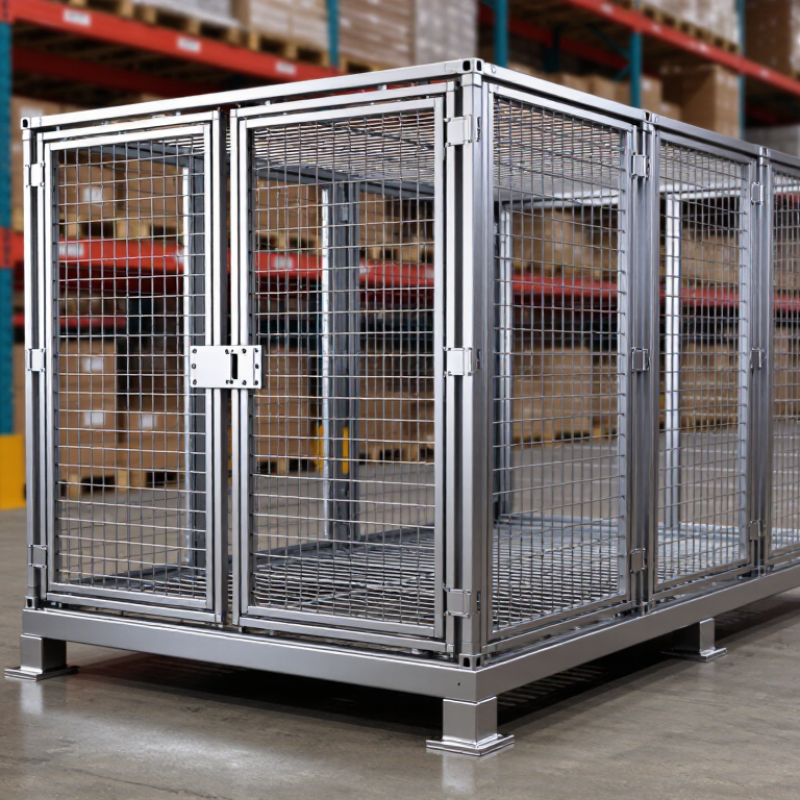
Table of Contents [Hide]
Definition and Core Features of Collapsible Wire Mesh Containers
A collapsible wire mesh container is a reusable steel storage unit with hinged panels and a base. Its walls fold inward when empty, reducing return-transport volume and storage space. Unlike a fixed cage, it can move from production areas to distribution zones without repacking small parts.
Core features include welded wire panels, a hinged front gate, locking pins, and a load-bearing base. Mesh openings improve visibility and airflow, while the gate allows access without dismantling the stack.
Many models use pallet feet or fork-entry channels for hand pallet trucks and forklifts. Always verify the rated load, stacking height, and fork dimensions before use. These details differ by construction.
Durability depends on more than steel thickness. Check welds for cracks, pins for deformation, and hinges for binding. A bent panel may prevent safe folding. Operators should place weight evenly and keep unstable items secured inside.
The “heavy-duty” label can be misleading without a tested capacity. That deserves scrutiny.
In practice, collapsible design saves space, but it may trade some rigidity for convenience. Regular inspections and clear handling instructions make the container more reliable, especially in busy warehouses where impacts happen.