-
PRODUCTS & SERVICESOptimized cooling solutions for modern data centersProducts & ServicesOptimized cooling solutions for modern data centers
-
CAPABILITIESAdvancing liquid cooling technologiesCapabilitiesAdvancing liquid cooling technologies
-
TechnologiesLiquid Cooling InnovationTechnologiesLiquid Cooling Innovation
-
RESOURCESLatest News & InformationResourcesLatest News & Information
-
ABOUTOur history, leadership and ownershipAboutOur history, leadership and ownership
-
CONTACTFacility locations and global operational footprint







Why Are Automation Systems Essential for Global Buyers?
Global purchasing has changed. Buyers now compare more than price, speed, and product appearance. They examine consistency, traceability, energy use, cybersecurity, and long-term service support. Automation Systems help suppliers meet these expectations with measurable performance. Sensors can record temperature, pressure, cycle time, and material movement. Software can identify process variation before it becomes a costly shipment problem.
Bill Gates, a widely recognized technology leader, once said, “The first rule of any technology used in a business is that automation applied to an efficient operation will magnify the efficiency.” His observation remains highly relevant to international procurement. Reliable Automation Systems can standardize production across factories and support stable quality in different markets. They also help buyers evaluate suppliers through clearer data, repeatable procedures, and documented maintenance records. A factory floor with connected controllers, robotic arms, and real-time dashboards is easier to monitor than one relying only on handwritten notes. Small details matter.
Still, automation is not a magic switch. Poor planning can multiply waste, downtime, and training problems. Global buyers should review integration ability, operator safety, spare-part availability, software updates, and local technical support. These factors often decide whether an impressive demonstration becomes dependable daily production. Experience also teaches caution: the most advanced system may not suit every facility. A practical solution should fit the product, workforce, budget, and compliance requirements. That judgment makes Automation Systems valuable—not simply because they are modern, but because they can create accountable and resilient supply relationships.
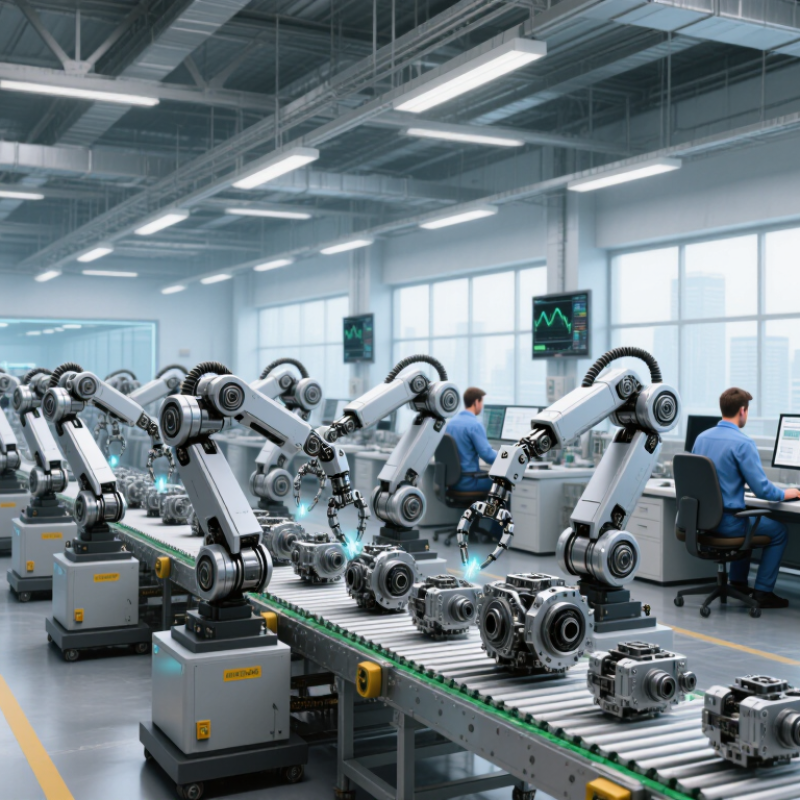
Table of Contents [Hide]
What Automation Systems Are and How They Support Global Buying
Automation systems are the operating layer behind modern global buying.
They connect supplier discovery, quotation requests, approvals, purchasing, shipping updates, and payment records in one workflow. A buyer can compare prices, minimum order quantities, currencies, lead times, and landed costs without switching between spreadsheets.
Small details matter.
For example, an automated dashboard can flag a supplier quote that excludes insurance or a shipment delayed at a port. It can also standardize product codes, translate routine messages, and route approvals across different time zones. The World Economic Forum’s Future of Jobs Report 2023 found that 85% of organizations expect technology adoption to transform business operations. The figure shows strong momentum, but adoption alone does not guarantee better decisions.
Automation systems support global buying by creating traceable records. Each quotation, revision, approval, and delivery update becomes easier to review. This improves accountability and helps teams identify recurring cost or quality problems. The World Trade Organization reported that global merchandise trade was worth about 24 trillion dollars in 2023, showing the scale and complexity buyers must manage.
They are not flawless.
Poor supplier data can produce inaccurate comparisons. An algorithm may miss a local packaging requirement or misunderstand a seasonal production delay. Human review remains essential, especially for quality checks, supplier communication, and unusual orders. A reliable system should explain its alerts, protect purchasing records, and let experienced buyers correct errors instead of hiding them.